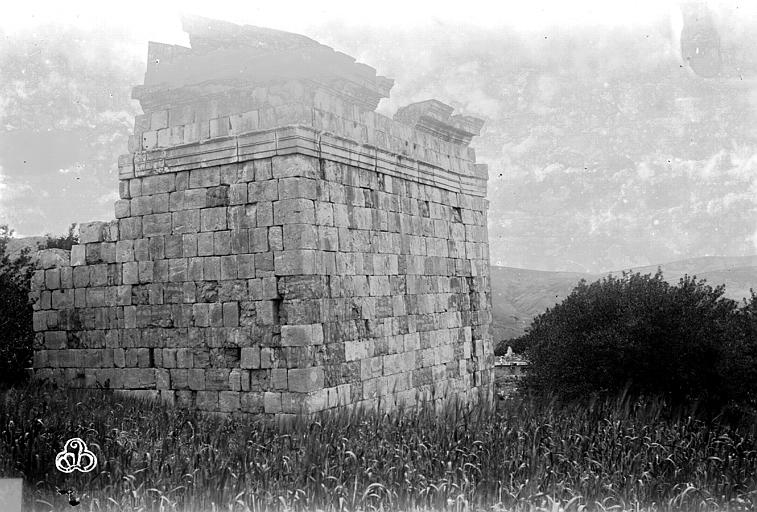
The Djemila Museum sits quietly on the edge of an ancient city, a place where time seems to have paused to preserve fragments of a long-lost grandeur. Just steps away from the ruins of the Roman settlement of Cuicul, it offers a space where every artifact tells a story—not just of the people who lived here two thousand years ago, but of how archaeology slowly pieces together the past from scattered remnants.
The museum building itself is part of that history. Constructed in the mid-20th century to house the discoveries unearthed during excavations of Djemila, its architecture is unassuming yet purposeful. Low stone walls, a tiled roof, and large windows allow soft light to fill the spacious halls inside. The exhibits are displayed openly, not crammed into glass cases but arranged as if in their natural setting. There are no crowds here, no rush—just the quiet opportunity to examine each piece at your own pace.
The heart of the collection lies in its mosaics. Laid out on the floor or mounted on walls, each one unfolds a different narrative. Some depict scenes of rural life: shepherds tending flocks, vineyards heavy with grapes, the rhythm of daily work. Others portray mythological tales—gods, heroes, and sea monsters woven into intricate patterns. The mosaics are not perfectly preserved; their cracks, faded colors, and missing fragments only add to their significance. These works of art have survived earthquakes, wars, and centuries of neglect, and their imperfections make them all the more compelling. Some are so large they span entire walls, making it easy to imagine them once adorning the floors of wealthy villas or public buildings in Cuicul.
Beyond the mosaics, the museum holds everyday objects that offer a glimpse into the lives of the city’s inhabitants. Clay vessels, bronze lamps, and tools used by craftsmen may seem ordinary, but they reveal the routines of a thriving community. A small terracotta figurine might have been a child’s toy. A fragment of pottery bears a Latin inscription, its message now lost to time. Coins stamped with the profiles of long-dead emperors once circulated through these streets. These aren’t just artifacts—they’re evidence of a city that was once alive, not just a collection of ruins.
Sculptures occupy a special place in the collection. Among them stands a bust of Emperor Antoninus Pius, who ruled Rome in the second century. His face is serene, regal, though time has worn away the marble—his nose is chipped, his hair smoothed by centuries. Nearby, a statue of Ceres, the goddess of agriculture, holds a basket of fruit, a reminder of the beliefs that shaped daily life. These sculptures once adorned temples and forums, and now, in the museum’s quiet halls, they continue to serve their purpose, connecting the present to the past.
The Djemila Museum is nothing like the grand, bustling museums of the world with their interactive displays and dramatic lighting. There are no audio guides, no flashy infographics—just a quiet space dedicated to preservation. It doesn’t aim to dazzle or entertain; it simply holds onto memory. Standing before a mosaic of dancing nymphs or examining a tiny bronze figurine, you realize these objects haven’t just survived the centuries—they continue to exist as long as someone is there to see them.
A short walk from the museum leads to the ruins of Djemila itself. Founded by the Romans in the first century as a military outpost, the city later flourished as a trading hub. The remains of its forum, temples, baths, theater, and residential quarters still stand, offering a sense of how the fragments in the museum once fit together. The ruins and the museum complement each other—one preserves the pieces, the other shows how they once formed a whole.
Djemila is nestled in the mountains of Petite Kabylie, and the landscape around the museum is as rugged and imposing as the history it holds. Summers here are hot and dry, winters cool, and in spring, the hillsides turn green. The museum sits on a small rise, offering views of the valley where the city once thrived and where now only fields and scattered villages remain. There’s nothing exotic about this scenery, yet it’s the perfect backdrop for understanding why people chose this place to live—and why their memory lingers here.
Visiting the Djemila Museum isn’t so much a tour as it is an encounter with the past. There’s no rush, no need to follow a crowd. You can sit on a bench in the courtyard, looking out at the mountains and ruins, and reflect on how much changes—and how little. The people who lived here two thousand years ago also admired these views, made plans, celebrated, and mourned. Now, their lives endure in these walls, these stones, these quiet halls.