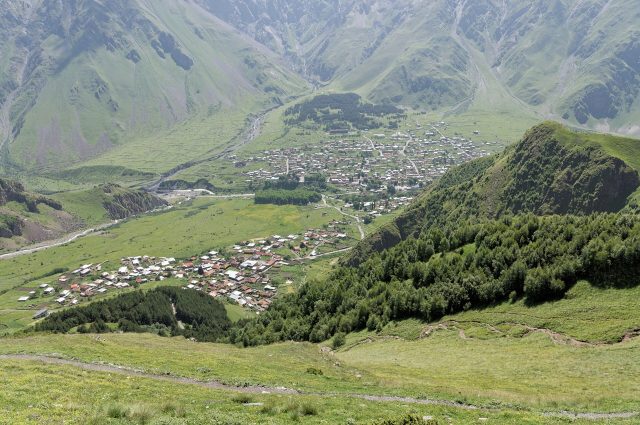
Chiang Mai
Thailand · 10 places
Photo: Lerdsuwa, CC BY-SA 3.0
Chiang Mai is the kind of place that quietly wins you over, not with grand gestures, but with the slow, steady rhythm of life that feels both ancient and effortlessly modern. It’s nothing like Bangkok’s relentless energy—no towering skyscrapers, no endless traffic jams, no beaches. Instead, there are misty mountains at dawn, golden temple roofs glinting in the sunlight, and a pace that moves with the Ping River rather than the clock. The city doesn’t rush to impress; it simply exists, letting tradition and contemporary life coexist without one overshadowing the other.
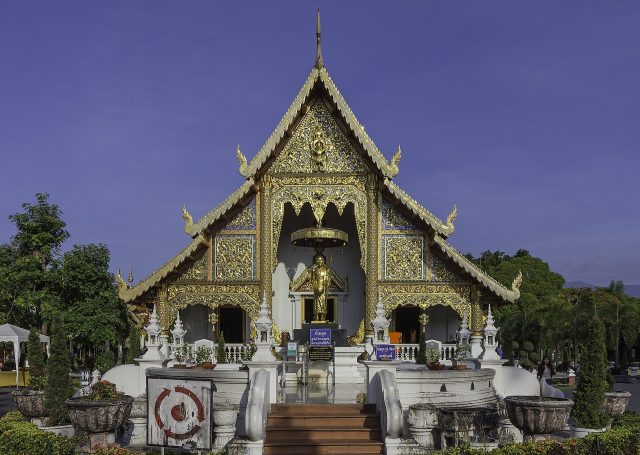
Founded in the late 13th century by King Mengrai as the capital of the Lanna Kingdom, Chiang Mai carries its history lightly. The old city walls and moat, once built to fend off Burmese invaders, now stand as quiet reminders of its past. Inside these boundaries, narrow lanes twist between wooden houses, artisan workshops, and tiny cafés serving some of the best coffee in the country. Temples are everywhere—each with its own story. Wat Phra That Doi Suthep, perched on a mountain with a legendary stupa, offers sweeping views of the city below, while Wat Chedi Luang’s crumbling pagoda hints at its former grandeur as one of Thailand’s tallest structures. The past isn’t preserved in glass cases here; it’s woven into the fabric of daily life.
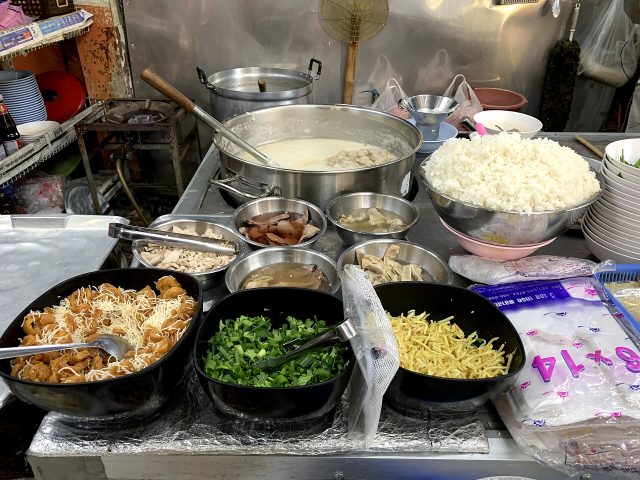
Yet Chiang Mai is far from sleepy. Mornings begin with the scent of fresh fruit, spices, and sizzling noodles at the markets, while evenings bring a different kind of energy—locals and visitors mingling over street food, live music, and conversation. The night markets are a world unto themselves, where you can find everything from handwoven silk scarves to intricate crafts from neighboring countries. The Sunday Walking Street Market on Ratchadamnoen Road is a highlight, with artisans from across the region displaying their work and musicians filling the air with sound. But despite the crowds, Chiang Mai never feels like a tourist trap. It’s a city where people go about their lives—working, studying, raising families—while visitors slip into the flow without disrupting it.
Beyond the city limits, the landscape shifts dramatically. The northern mountains unfold into dense jungles, waterfalls, and villages where time seems to stand still. Doi Inthanon National Park, home to Thailand’s highest peaks, offers cool air and breathtaking views, while nearby ethnic minority communities, like the Karen people, live much as they have for generations. For those seeking adventure, there are trekking routes, white-water rafting trips, and even elephant sanctuaries—though it’s worth choosing ethical ones that prioritize the animals’ well-being. The surrounding hills are also dotted with tea and coffee plantations, where you can see how the beans are grown and processed before sipping a freshly brewed cup with a view of rolling green slopes.
Chiang Mai is also the culinary heart of northern Thailand, with a cuisine distinct from the sweeter, milder flavors of the south. Dishes here are bolder, spicier, and deeply aromatic. The iconic khao soi—a rich coconut curry with egg noodles, tender meat, and a squeeze of lime—is a must-try, as is sai ua, a fragrant pork sausage spiked with lemongrass. The region’s coffee is legendary, grown on the misty highlands and served in countless ways, from strong espresso to iced coffee sweetened with condensed milk. The food isn’t just fuel here; it’s a way of connecting with the land and its traditions.
What makes Chiang Mai special is its ability to feel like both a retreat and a home. It draws artists, digital nomads, yoga enthusiasts, and anyone craving a break from the chaos of big cities. You can find quiet corners to work or reflect, but the city’s vibrant energy is always within reach. It’s not a place that tries to be perfect—it’s flawed, real, and all the more compelling for it. If you’re looking for luxury resorts and polished tourist experiences, this isn’t the city for you. But if you want to experience Thailand beyond the postcard images, Chiang Mai offers something far richer: a place where you can stay for a week, a month, or longer, and still keep discovering new layers.
See & Do
10 places


Places on the map
Marker colour follows the categoryClimate and weather
Detailed weather: Chiang Mai- Average temperature
- 27 °C
- Precipitation per year
- 1357 mm
- Sunshine hours per day
- 7.6 h
Average air temperature
°C
23
25
29
30
30
29
28
28
28
27
26
23
Jan
Feb
Mar
Apr
May
Jun
Jul
Aug
Sep
Oct
Nov
Dec