Kuala Belait
Brunei · 8 places
Photo: IQRemix from Canada, CC BY-SA 2.0
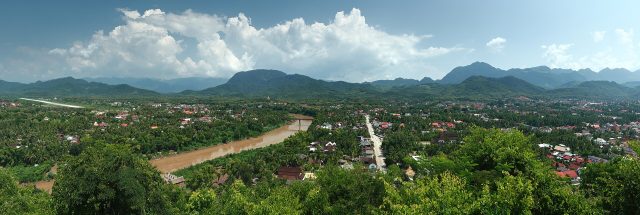
Kuala Belait is where the Belait River flows into the South China Sea. It’s Brunei’s second-largest city, but it moves slowly—like a village shaped by the tides. Houses with tiled roofs line narrow streets, their facades half-hidden by trees and flowering vines. There are no skyscrapers, no neon signs. Just the rhythm of daily life: an evening walk by the water, a cup of tea at a stall run by the same family for decades.
The city’s buildings tell Brunei’s history. Some still have the wooden shutters and wide verandas from the early 1900s, when the British ruled. The old port district mixes past and present—weathered docks stand near modern oil terminals. Kuala Belait is the center of Brunei’s oil industry, but the refineries don’t dominate the skyline. They’re just part of the landscape, like the fishing boats that return each morning with the day’s catch.
Locals call it Belait. The name fits—a place without tourist traps or staged performances. The market sells seafood so fresh it still glistens, and you can try ambuyat, a dish of sago starch eaten with sharp, tangy sauces. Along the riverfront, cafes fill with regulars drinking strong coffee or coconut water. When the heat fades, the waterfront wakes up: children fly kites, elders play chess under the trees, and groups spread out picnics on the grass.
Outside the city, mangrove forests stretch toward Malaysia. Their tangled roots shelter kingfishers and saltwater crocodiles. Boat tours weave through the channels, showing how these ecosystems work. Most visitors come for the quiet, not the wildlife.
Kuala Belait doesn’t have the grand mosques or palaces of Bandar Seri Begawan. It doesn’t try to impress. What it has is a sense of time that moves differently—less like a race, more like something you can keep up with. Here, a day feels full when you notice the small things: the way the light hits the water at dusk, the sound of a chess piece sliding across a board, the taste of coconut water still cold from the shell.
See & Do
All of them


Places on the map
Marker colour follows the categoryClimate and weather
Detailed weather: Kuala Belait- Average temperature
- 27 °C
- Precipitation per year
- 2801 mm
Average air temperature
°C
27
27
27
28
28
28
28
28
27
27
27
27
Jan
Feb
Mar
Apr
May
Jun
Jul
Aug
Sep
Oct
Nov
Dec