Berchtesgaden
Germany · 4 places
Photo: Bbb, CC BY-SA 3.0
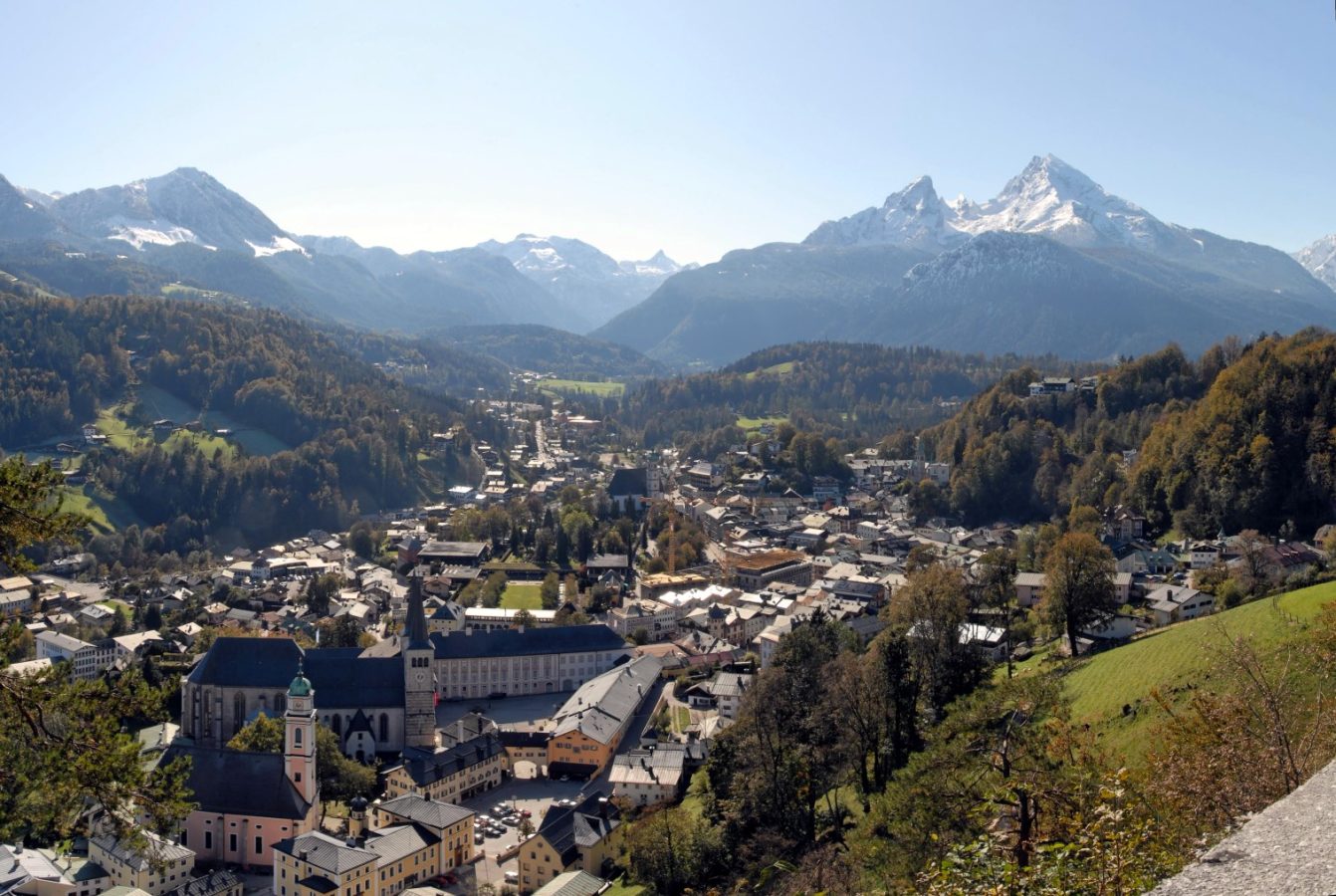
Nestled in the Bavarian Alps, where the mountains rise so steeply they seem to cradle the town in their arms, Berchtesgaden feels like a place where time moves differently. The air carries the scent of pine and damp earth, and the streets wind up and down the slopes, following the contours of the land. It’s small enough to explore on foot in a day, yet its history and surroundings give it a quiet significance. There’s something timeless about the place—medieval stone buildings, narrow alleys, and the ever-present hum of nature that makes it feel both ancient and alive.
Centuries ago, Berchtesgaden thrived on salt mining, a trade that shaped its identity and brought wealth to the region. The old mines, now open to visitors, offer a glimpse into the grueling work of miners who carved tunnels deep into the mountains. Walking through the damp, dimly lit passages, it’s easy to imagine the echoes of pickaxes and the weight of history pressing in. But the town isn’t stuck in the past. Alongside its heritage, you’ll find cozy cafés serving strong coffee, small shops selling handmade crafts, and museums that piece together the stories of those who lived here long before tourists arrived.
What truly sets Berchtesgaden apart, though, is its landscape. The surrounding mountains and forests are a playground for hikers, with trails leading to some of Germany’s most breathtaking spots. Lake Königssee, a jewel of emerald water so clear it mirrors the sky, is a short journey away. Taking a boat across its surface feels like gliding over glass, the steep cliffs rising on either side like silent guardians. Then there’s the Watzmann, one of the highest peaks in the Bavarian Alps, its jagged silhouette a challenge for climbers and a sight to behold for everyone else. In winter, the area transforms into a snowy retreat, with ski slopes and quiet paths through frost-laden trees.
The town’s history isn’t without its shadows. During World War II, the mountains above Berchtesgaden became the site of Hitler’s Eagle’s Nest, a retreat perched high on a ridge. Today, the building remains, its stark architecture and sweeping views a stark contrast to the dark legacy it carries. Visiting it is a sobering experience, but the town itself has long since reclaimed its peaceful character. There’s no hustle here, no crowds jostling for space—just the steady rhythm of life shaped by the seasons.
Food is another reason to linger. The local cuisine is hearty and unpretentious, built around ingredients sourced from the mountains and forests. Thick stews made with game, dumplings smothered in melted cheese, and pies filled with wild berries are staples in the town’s taverns. The beer, brewed locally, pairs perfectly with the sharp tang of alpine cheeses. After a day spent hiking or exploring, there’s nothing like settling into a wood-paneled inn, where the scent of woodsmoke and freshly baked bread fills the air, and ordering a glass of wine or a foamy pint.
Berchtesgaden isn’t the kind of place you visit for flashy attractions or nonstop entertainment. It’s where you come to slow down—to breathe in the crisp mountain air, to listen to the rustle of leaves in the forest, to feel the weight of history in the stones beneath your feet. The town doesn’t demand your attention; it simply offers itself, quietly, and lets you decide how much of it you want to take in. That’s why people keep coming back. Not for the thrill, but for the stillness.
Eat & Drink
0 placesNothing in this category yet — the catalogue is still growing.
All placesPlaces on the map
Marker colour follows the categoryClimate and weather
Detailed weather: Berchtesgaden- Average temperature
- 10 °C
- Precipitation per year
- 1340 mm
- Sunshine hours per day
- 4.8 h
Average air temperature
°C
0
3
5
9
13
18
19
19
14
10
4
1
Jan
Feb
Mar
Apr
May
Jun
Jul
Aug
Sep
Oct
Nov
Dec