- Home
- Central African Republic
- Bangui

Bangui
Central African Republic · 4 places
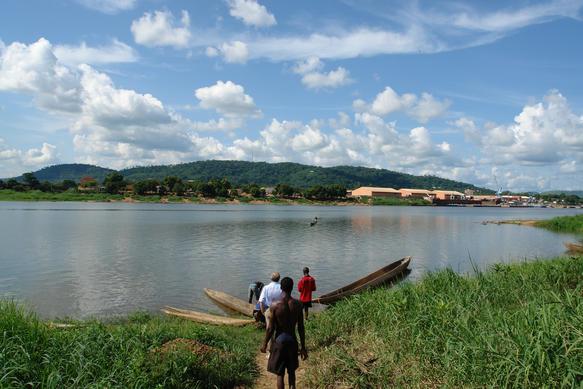
Photo: Alllexxxis, CC BY-SA 4.0
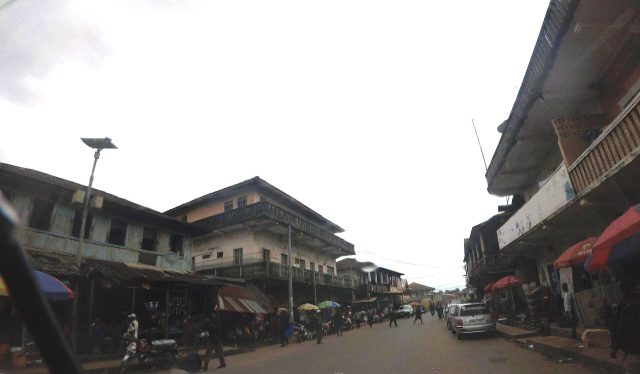
BangiBangi sits off the usual tourist trails. Perched on the banks of the Ubangi River, the city blends African traditions with colonial history. There are no crowds, no resorts, no guides urging you to hurry. The streets tell stories: French colonial buildings stand beside traditional huts, while markets overflow with patterned fabrics, unfamiliar spices, and fruits most travelers haven’t seen before.
Life in Bangi follows the river’s rhythm. The Ubangi serves as a highway, a pantry, and a meeting place. Boats carry people and goods, fishermen bring in their catch, and children play along the shores. The Central Market is the city’s heart, selling everything from cassava roots to handcrafted jewelry. Here, you can try spicy game stews, banana fritters, or palm wine straight from the barrel.
Unlike other African capitals, Bangi feels like a large village. People know each other. Beyond the city, savannas and forests stretch out, home to elephants, gorillas, and rare birds. Reaching these places is difficult—roads are few, and safety isn’t guaranteed—but those who go see Africa without filters.
The city still shows its colonial past. French is spoken on the streets, and cafés serve baguettes and coffee, leftovers from the time Bangi was part of French Equatorial Africa. Yet local culture hasn’t disappeared. It lives in the music, the dances, and the crafts that fill the air during festivals, when drumbeats echo through neighborhoods and rituals unfold.
Bangi isn’t for luxury or entertainment. There are no five-star hotels or shopping malls. What it offers is something else: a place that doesn’t try to impress. It simply exists. For those who want more than a postcard, Bangi can surprise you. The only rule is to meet it on its own terms.
See & Do
4 places


Places on the map
Marker colour follows the categoryClimate and weather
Detailed weather: Bangui- Average temperature
- 26 °C
- Precipitation per year
- 1325 mm
- Sunshine hours per day
- 5.7 h
Average air temperature
°C
26
28
28
28
27
26
26
26
26
26
26
26
Jan
Feb
Mar
Apr
May
Jun
Jul
Aug
Sep
Oct
Nov
Dec