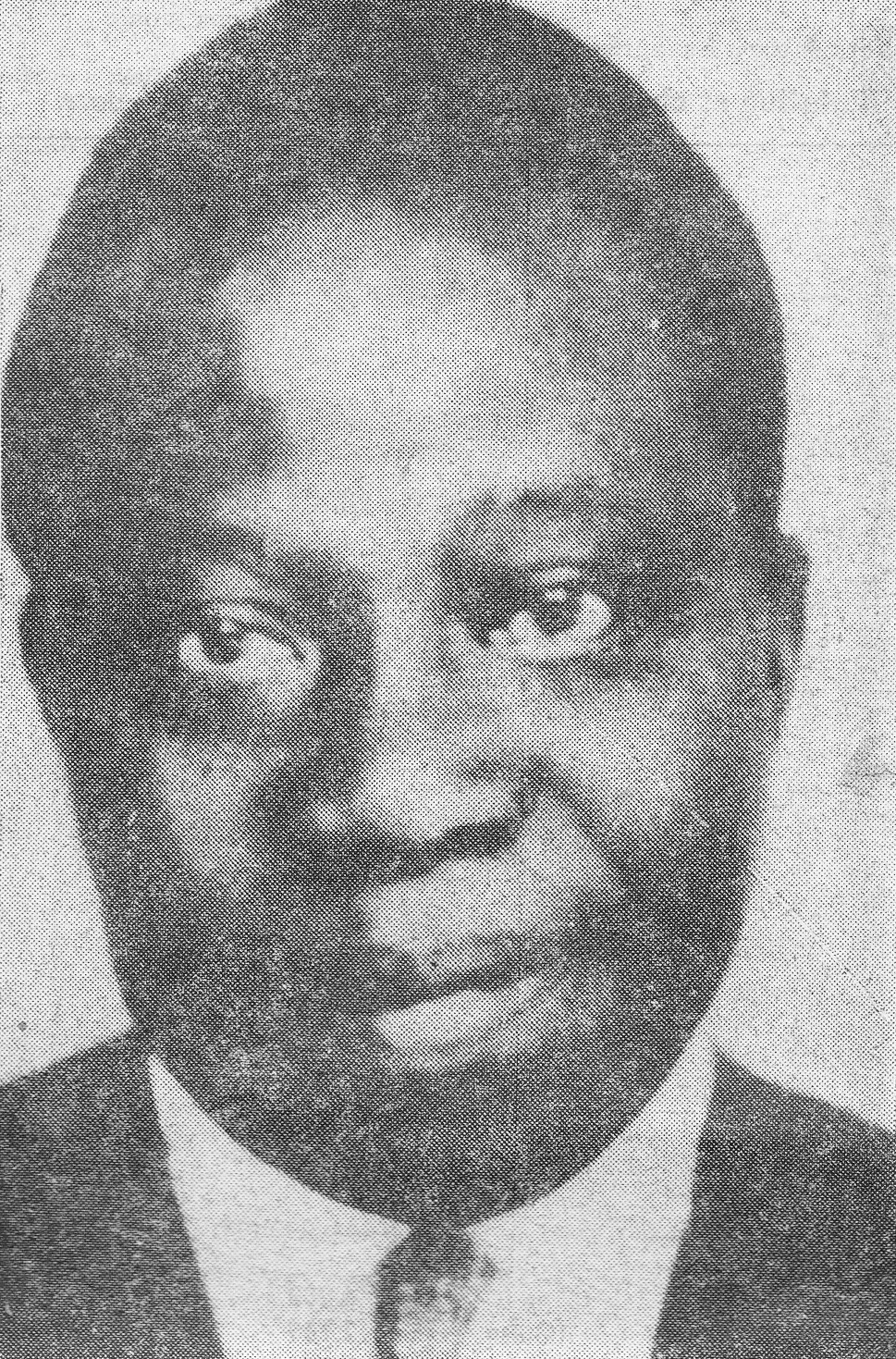
The Barthélemy Boganda Stadium sits quietly on the edge of Bangui, a place where the city’s energy and the country’s history seem to converge. Named after Barthélemy Boganda, the man who led the Central African Republic toward independence, the stadium is more than just a sports venue—it’s a symbol of national identity. Boganda, a charismatic leader and the first prime minister of the country, envisioned a united and prosperous nation, and though his life was cut short in a plane crash in 1959, his legacy lives on in places like this. The stadium, built in the decades following independence, reflects both the aspirations and the challenges of a young nation finding its footing.
From the outside, the stadium doesn’t immediately stand out. Its concrete structure, weathered by time and the tropical climate, blends into the surrounding neighborhoods where life moves at its own unhurried pace. Yet for those who know its significance, the stadium carries a weight that goes beyond its physical appearance. It has hosted countless football matches, athletic competitions, and public gatherings, serving as a stage for both triumph and struggle. Football, in particular, holds a special place in the hearts of Central Africans, and this stadium has seen some of the country’s most memorable moments on the pitch.
Inside, the stands tell their own story. The seating is simple, functional, with rows of benches that have seen generations of spectators come and go. On match days, the atmosphere can be electric, especially when the national team takes the field. The crowd’s chants and drumming echo through the open-air structure, creating a rhythm that feels distinctly Central African. Even on quieter days, there’s a sense of anticipation in the air, as if the stadium is always waiting for the next event that will bring people together.
Beyond sports, the Barthélemy Boganda Stadium has played a role in the country’s political and social life. It has been a gathering place for rallies, celebrations, and even moments of collective mourning. In a nation where public spaces are limited, the stadium serves as a rare venue where large numbers of people can assemble, share experiences, and express their hopes or frustrations. This dual role—as both a sports arena and a civic space—makes it unique in Bangui, where few other places can claim such a broad significance.
The stadium’s architecture is unassuming, designed for practicality rather than grandeur. The open design allows for natural ventilation, a necessity in a city where temperatures often climb into the high 30s Celsius. The pitch itself is well-maintained, though the facilities around it show signs of wear. There are no luxury boxes or high-tech scoreboards here; instead, the focus is on the game and the people who come to watch it. This simplicity is part of the stadium’s charm, a reminder that sport, at its core, is about community and shared passion rather than spectacle.
For visitors, the stadium offers a glimpse into the daily life of Bangui. On non-event days, it’s not uncommon to see locals using the surrounding areas for exercise, socializing, or even impromptu markets. The stadium’s presence is felt in the rhythm of the city, a constant backdrop to the lives of those who live nearby. While it may not be a tourist destination in the traditional sense, it’s a place where the pulse of the Central African Republic can be felt most strongly.
The challenges of maintaining such a venue in a country with limited resources are evident. Over the years, the stadium has seen periods of neglect followed by efforts to restore it, reflecting the broader struggles of the nation. Yet despite these difficulties, it remains a point of pride for many Central Africans. It’s a place where memories are made, where children dream of becoming football stars, and where the nation’s identity is reinforced with every match played.
In many ways, the Barthélemy Boganda Stadium is a microcosm of the Central African Republic itself. It’s not perfect, nor is it always in the spotlight, but it endures. It stands as a testament to the resilience of a people who continue to find joy and meaning in shared spaces, even in the face of adversity. For those who take the time to visit, it offers more than just a look at a sports venue—it offers a connection to the heart of the country.