
Addi Grat
Ethiopia · 8 places
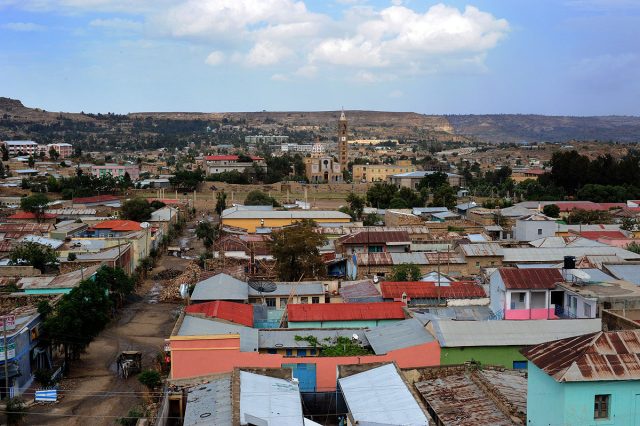
Photo: Bernard Gagnon, CC BY-SA 4.0
Addis Grat feels like a place where time has paused, letting the past breathe through its streets. Nestled in the northern highlands of Tigray, the city sits among jagged mountains and deep gorges, where roads twist through the rock as if carved by travelers in a hurry. There’s no rush here, no hum of a modern metropolis—just the occasional bray of a donkey, the murmur of sheep, and the distant rumble of an old truck hauling goods to the market. The city is small, but its history runs deep, woven into the very stones beneath your feet, a silent witness to the rise and fall of ancient kingdoms.
This isn’t a place polished for tourists. The roads are dusty, the houses built from local stone with flat roofs, and women in vibrant traditional dress balance clay jugs of water on their backs. At the heart of the city stands a Catholic cathedral, built by the Italians in the early 20th century, one of the few remnants of colonial influence. Nearby, a modest market buzzes with life, selling everything Tigray has to offer: coffee beans, spices, handwoven fabrics, and silver jewelry crafted by local artisans. The people are warm but unobtrusive, and if you linger to chat with a vendor, they might share stories of mountain life, traditions, or how teff—the grain at the heart of every Ethiopian meal—is grown in these highlands.
The landscapes around Addis Grat are almost surreal. To the east, sheer cliffs rise dramatically, where medieval rock-hewn churches were carved into the stone, some still hidden from casual visitors. These sites draw historians and archaeologists, though reaching them is no easy feat—the roads are rough, and the paths have been worn by centuries of footsteps. Nearby villages feel untouched by time, where farmers plow with oxen, thresh grain by hand, and gather around fires at night to listen to storytellers recounting legends of kings and heroes.
Despite its remoteness, Addis Grat is a vital hub for the region. The road running through it connects northern Ethiopia to the rest of the country, and the city pulses with the rhythm of Tigray’s daily life. Mornings bring caravans of trucks loaded with grain, coffee, or building supplies, their diesel fumes mixing with the scent of fresh bread. Roadside cafés serve strong coffee the Ethiopian way—sometimes with salt or butter instead of sugar—and injera, the spongy flatbread that’s a staple of every meal. Travelers who pass through often say this is where the real Ethiopia reveals itself, far from the postcard-perfect images, raw and unfiltered.
You won’t find luxury hotels or multilingual menus here. Addis Grat isn’t a place to tick off attractions or spend a week in museums. But if you want a city that doesn’t try to impress, that simply exists on its own terms, this is it. Walk the dusty streets, sip coffee at the market, listen to women singing as they wash clothes by the river. Sometimes the most vivid memories aren’t made in grand temples or at scenic overlooks, but in quiet conversations with locals or a fleeting glimpse of life as it’s been lived for centuries.
See & Do
8 places
Places on the map
Marker colour follows the categoryClimate and weather
Detailed weather: Addi Grat- Average temperature
- 18 °C
- Precipitation per year
- 603 mm
Average air temperature
°C
16
17
18
20
21
21
17
17
18
18
17
16
Jan
Feb
Mar
Apr
May
Jun
Jul
Aug
Sep
Oct
Nov
Dec


