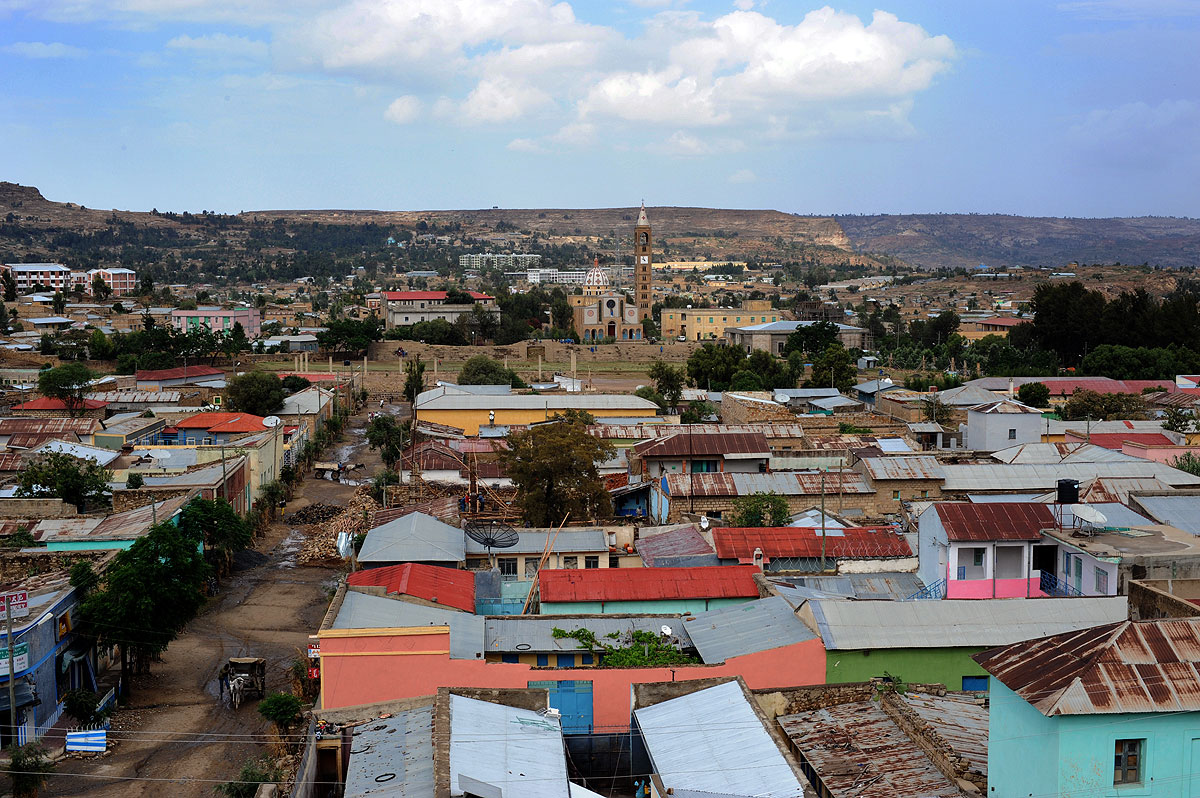
Addi Grat Museum is the kind of place where history feels alive not through grand displays or polished exhibits, but through quiet, unassuming traces of the past. Tucked away in a small northern Ethiopian town rarely found on tourist itineraries, it offers something far more intimate than the usual landmarks. There are no crowds here, no claims to global significance—just a collection of objects that tell the story of ordinary lives lived over centuries, rather than the rise and fall of empires.
The building itself is part of the narrative. Constructed in the early 20th century as a residence for a local ruler, it blends traditional Ethiopian design with the European influences of its time. Thick stone walls and high ceilings keep the interior cool even on the hottest days, while arched courtyards hint at the way noble families once lived. Over the years, the house transitioned from a private home to a repository of artifacts unearthed in and around Addi Grat, preserving fragments of the region’s layered history.
The museum’s collection is modest but varied. Everyday items from different eras fill the rooms—clay pots, wooden tools, handwoven textiles—each piece a testament to the skills and routines of past generations. Traditional clothing takes center stage, particularly the vibrant cotton shawls embroidered with intricate patterns, which once signaled social standing as much as they provided warmth. Nearby, silver and copper jewelry—bracelets, rings, pendants—speaks to the craftsmanship and symbolism of women’s adornment, where every piece carried meaning beyond mere decoration.
A separate hall is devoted to religious art, a reflection of Ethiopia’s status as one of the world’s oldest Christian nations. Icons, crosses, and manuscripts line the walls, some dating back to the medieval period, others more recent but all rendered in the distinctive Ethiopian style. Bold colors, stylized figures, and motifs reminiscent of Byzantine traditions define these works. The wooden crosses, in particular, stand out—some small enough to hold in one hand, others imposing in size—each used in church rituals and bearing the marks of time.
Archaeological finds from the surrounding area round out the collection. Stone tools, pottery shards, and even fossilized remains of ancient animals offer glimpses into a much older past, long before the first kingdoms took shape in the region. Not every artifact comes with a detailed explanation, but that doesn’t diminish their power. Together, they create a sense of continuity, a reminder that this land has been inhabited for millennia, long before the stories we know today were written.
The museum’s atmosphere encourages slow exploration. There are no rigid tours or audio guides, just the freedom to wander at your own pace, reading the occasional placard or lingering over a particularly striking object. Sometimes, groups of schoolchildren fill the halls, their voices echoing as they listen to a teacher’s explanations. Other times, elderly locals stop by, drawn less by curiosity than by memory. In those moments, the museum feels less like a repository of the past and more like a living space where generations intersect.
For visitors, the museum offers more than just a lesson in history—it’s a chance to reflect on how life in Ethiopia has evolved over time. Addi Grat, perched in the highlands, has long been a crossroads of cultures and trade routes, and the exhibits reflect that. Coins from neighboring regions, pottery with Arab influences, and tools from distant markets all hint at the connections that once shaped daily life here. The objects on display aren’t just relics; they’re evidence of movement, exchange, and adaptation.
This isn’t a museum that dazzles with grandeur or spectacle. Its value lies in its restraint, in the way it quietly preserves the past without fanfare. For those willing to listen, it opens a window onto a world where history isn’t about grand narratives but about the small, human details—the way people dressed, worked, prayed, and traded. After a visit, Addi Grat itself begins to feel different, no longer just another town on a map but a place with its own distinct story, one that lingers long after you’ve left.