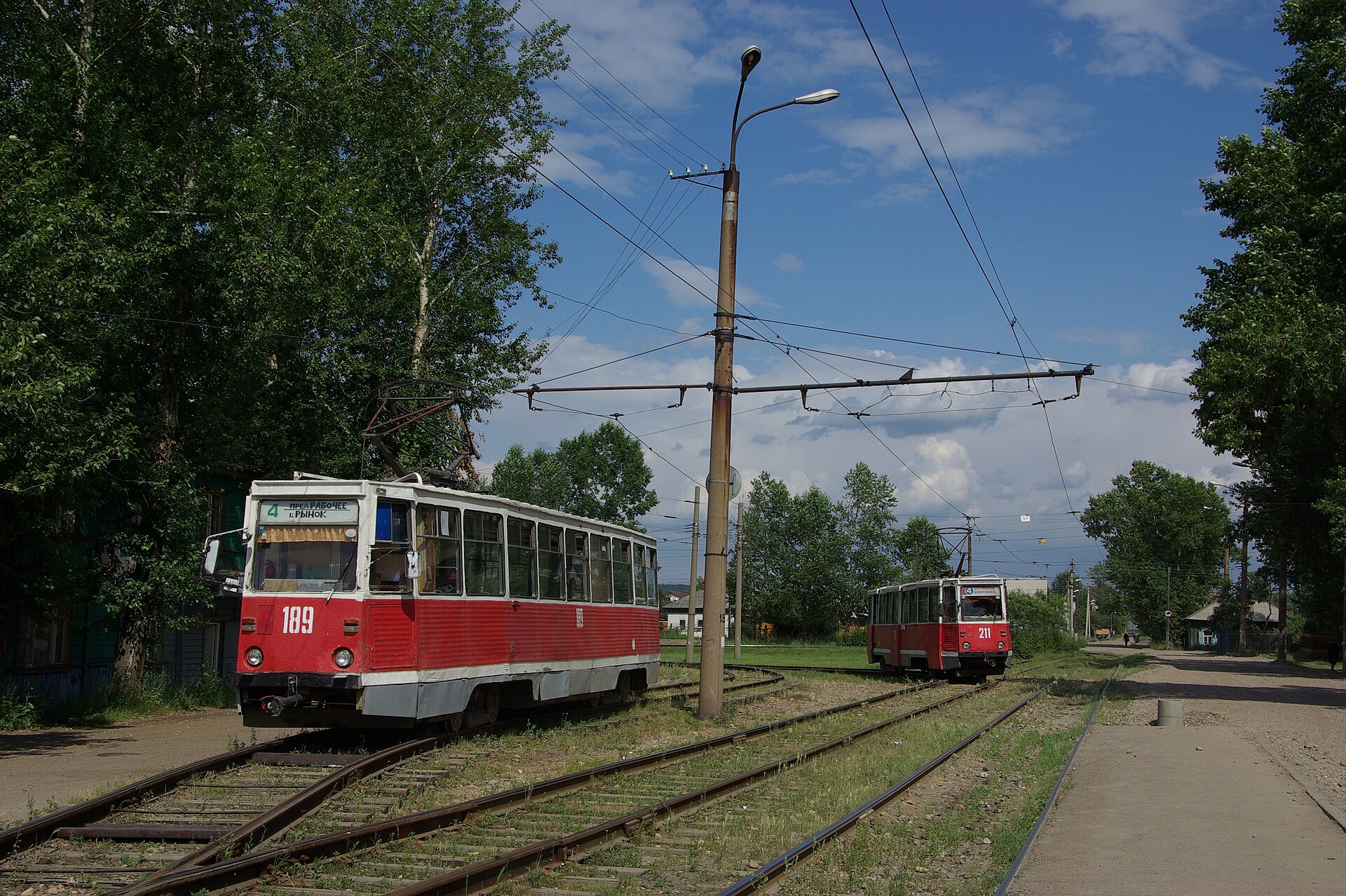
Znamenskoye Suburb is one of those rare corners of Irkutsk where time seems to slow down. Tucked away on the right bank of the Angara River, this neighborhood feels like a quiet guardian of the city’s early days, when Irkutsk was still shaping its identity. Unlike the bustling streets of the center, Znamenskoye retains a sense of stillness, its streets lined with houses built in the late 19th and early 20th centuries. These buildings, with their intricate wooden carvings and weathered facades, stand as silent witnesses to the past. Cobblestone lanes wind between them, leading past ornate window frames, old fences hiding overgrown gardens, and churches whose domes rise above the low rooftops.
The history of Znamenskoye is deeply tied to Irkutsk’s growth as a key trading and administrative hub in Siberia. In the 18th century, this area was on the outskirts of the city, home to merchants, craftsmen, and retired officials. It took its name from the Znamensky Monastery, founded in the 17th century and one of the first stone structures in the region. Though the monastery itself is gone, its legacy lives on in the neighborhood’s name, a reminder of its spiritual roots. By the 19th century, Znamenskoye had become a quiet but prestigious district, where wooden houses stood alongside grand stone mansions in styles ranging from neoclassical to art nouveau.
The architecture here is like an open-air textbook on Siberian craftsmanship. The wooden houses aren’t just homes—they’re works of art, where every detail tells a story. Elaborate carvings of vines and flowers adorn the window frames, while balconies with delicate railings and intricately shaped cornices add to the charm. Some houses feature what’s known as Siberian woodwork, where patterns are carved with such precision and creativity that they seem almost alive. The stone buildings, though fewer in number, are equally striking, with facades decorated in stucco, columns, and pilasters, their massive doorways framed by grand portals.
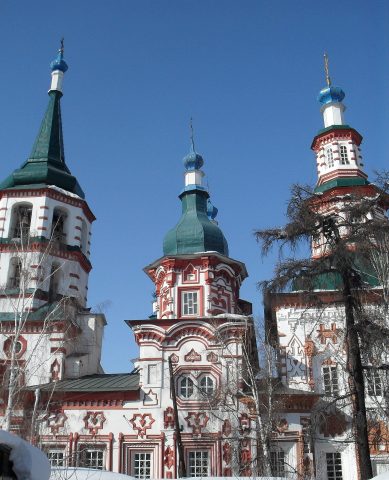
One of the neighborhood’s most notable landmarks is the Znamenskaya Church, built in the 19th century on the site of the old monastery’s temple. It’s one of the few churches in Irkutsk to survive the Soviet era relatively unscathed. Its white-stone facade, topped with a tall bell tower and domes, is visible from afar, while inside, visitors can see old icons and frescoes that hint at the gatherings once held here. Nearby, a small cemetery holds the graves of prominent locals—merchants, scholars, and cultural figures—whose names and dates on the weathered tombstones offer glimpses into the lives that shaped the city.
Znamenskoye isn’t just about architecture; it’s about atmosphere. Walking its streets, it’s easy to imagine the early 20th century, when women in long dresses and men in bowler hats strolled along the sidewalks, the sound of pianos drifting from open windows, and kerosene lamps flickering as evening fell. Today, the neighborhood has kept much of that tranquility, even as it’s become part of a modern city. In summer, the air is filled with the scent of blooming lilacs, and the riverside promenade along the Angara offers a peaceful place to watch the water flow. Winter transforms the area into a fairy-tale scene, with snow blanketing the rooftops and the crisp air making everything feel freshly polished.
Despite its central location, Znamenskoye remains somewhat off the beaten path. There are no crowds of tourists, no loud cafes or souvenir shops—just the chance to experience the real spirit of old Irkutsk. Locals know every house and alley, and it’s common to see them sitting on benches outside their homes, chatting or simply enjoying the quiet. In recent years, the neighborhood has started to attract those who appreciate history and authenticity, with small guesthouses, boutiques, and workshops opening up, all carefully preserving the area’s character.
A stroll through Znamenskoye feels like stepping back in time. Every house has its own story, every alley its own memories. You might turn off the main street and find yourself on a narrow path leading to the Angara’s edge, where piers and warehouses once stood and now only the rustling of trees breaks the silence. Or you could step into the courtyard of an old mansion and see how the past and present coexist—a satellite dish hanging against a backdrop of carved woodwork, a modern car parked beside a wooden porch. It’s a place where the line between then and now feels blurred.
Znamenskoye isn’t a museum; it’s a living neighborhood that continues to evolve. People still live here, workshops still operate, and new cafes and galleries open their doors. Yet it hasn’t lost its unique identity, remaining a pocket of old Siberia in the heart of a modern city. For those who want to understand Irkutsk beyond its role as an administrative center—to see it as a place with a rich history and culture—Znamenskoye is a revelation. You could spend just a few hours wandering its streets or linger for a full day, popping into small museums, antique shops, or the studios of local artists.
Efforts to preserve the neighborhood’s historic character have been ongoing in recent years. Many houses have been restored, some even granted protected status as architectural landmarks. But the process isn’t easy—old buildings require careful handling, and modern construction standards don’t always align with preserving them in their original form. Still, thanks to the dedication of locals and city officials, Znamenskoye continues to thrive, offering one of the most atmospheric and intriguing experiences in Irkutsk. For first-time visitors, it might come as a surprise; for longtime residents, it’s a reminder of just how unique this Siberian city truly is.