Donegal Castle stands on the River Eske, where the past doesn’t feel distant. The ivy-covered stone walls rise above the water, their reflection shifting with the current. The hills around it, once natural defenses, now hold the castle in quiet. Gulls cry overhead, and wind moves through the oaks. Time slows here, letting centuries settle around you.
The O’Donnell clan’s stronghold
The O’Donnells built the castle in the 15th century. They were already rulers of these lands, but the castle became their lasting mark. Their power stretched beyond Donegal—they allied with the English crown, then rebelled against it. The castle saw it all: deals made, betrayals, sieges. In the early 1600s, English forces broke their resistance. The last siege ended an era, leaving the castle as the only witness.
War and daily life in stone
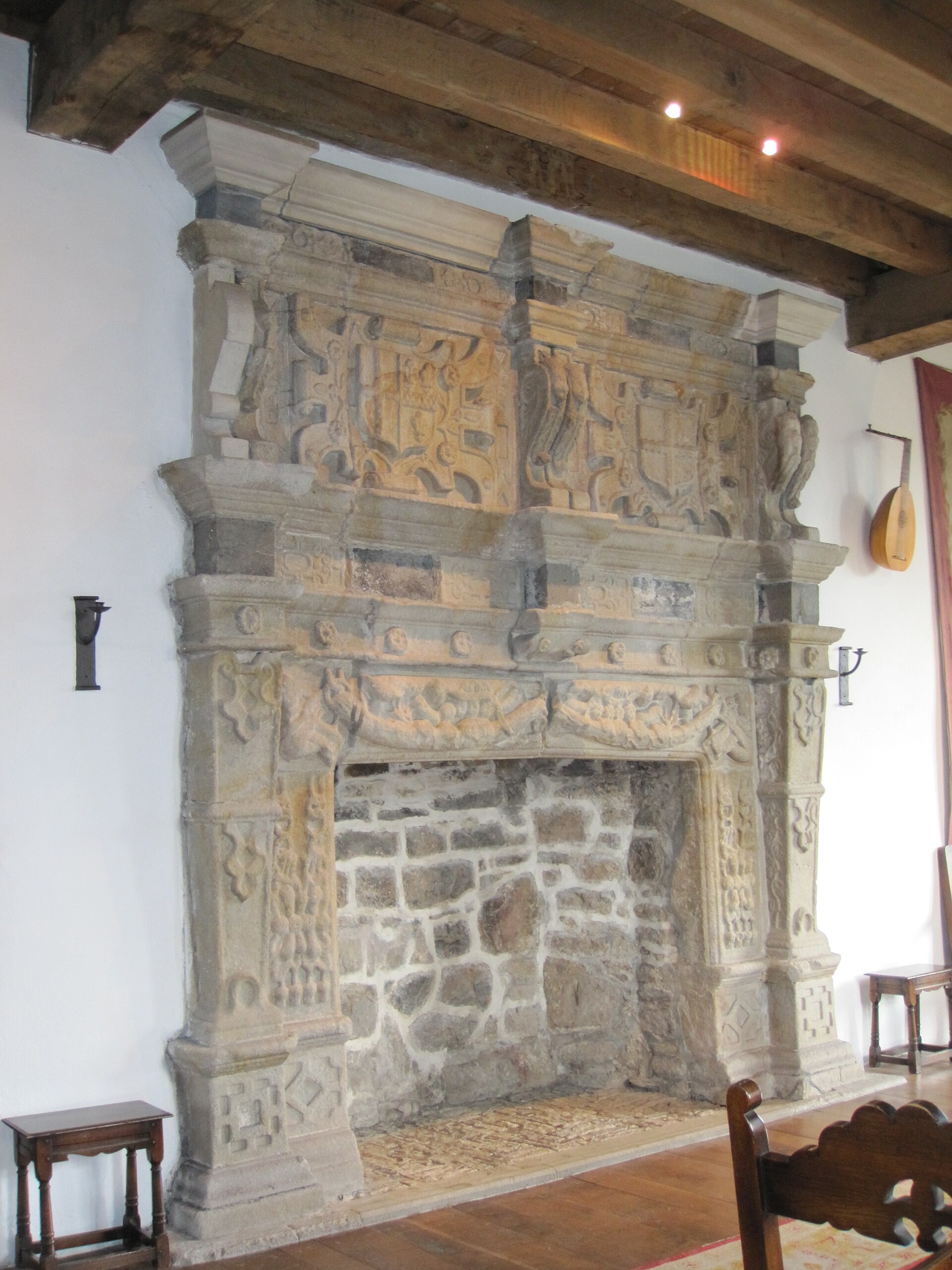
The keep, the castle’s central tower, was built for defense. Thick walls, narrow windows—this is where supplies were kept, soldiers stood guard, and decisions were made. But life wasn’t only about war. Later additions include large halls with high ceilings, fireplaces big enough to warm a winter night, and faded wall paintings. These were places for feasts, children’s games, and the quiet routines of family life.
The O’Donnells lost the castle, and it fell into ruin. For centuries, nature took it back. In the 1800s, preservationists began restoring what they could. Today, original stonework mixes with careful repairs. A small museum inside shows artifacts from the O’Donnell clan, but the real draw is the feel of the place. The courtyard, the worn steps—you can almost hear the voices that once filled them.
The river that shaped the castle
The River Eske was always part of the castle’s story. In medieval times, it protected the fortress and connected it to the rest of Ireland. Goods, travelers, and armies moved along its waters. Today, the river still flows the same way. On clear days, it mirrors the castle and the sky. When clouds gather, the water turns gray, reflecting the mood of the ruins. The castle and the river belong to each other—they shaped each other’s fate.
Donegal Castle isn’t just a ruin. It’s where Ireland’s past feels close. The O’Donnells’ struggles, the changing power, the quiet moments of daily life—it’s all here. For history lovers, the stories are rich. For others, it’s a place to sit by the river, walk the ruins, and think about the lives that passed through these walls.
The town of Donegal is nearby, with narrow streets and pubs where music still plays. The hills around hide old Celtic crosses and monastery ruins. From the high points, the view stretches over green valleys and winding rivers—a landscape that hasn’t changed much.
There’s no set path at Donegal Castle. You can wander, sit by the river, or watch the light on the stones. Time moves differently here. That’s why people keep coming back—not just for the view, but for the way the past feels personal, unscripted. Whether you’re following the O’Donnells’ footsteps or just enjoying the quiet, the castle stays with you.