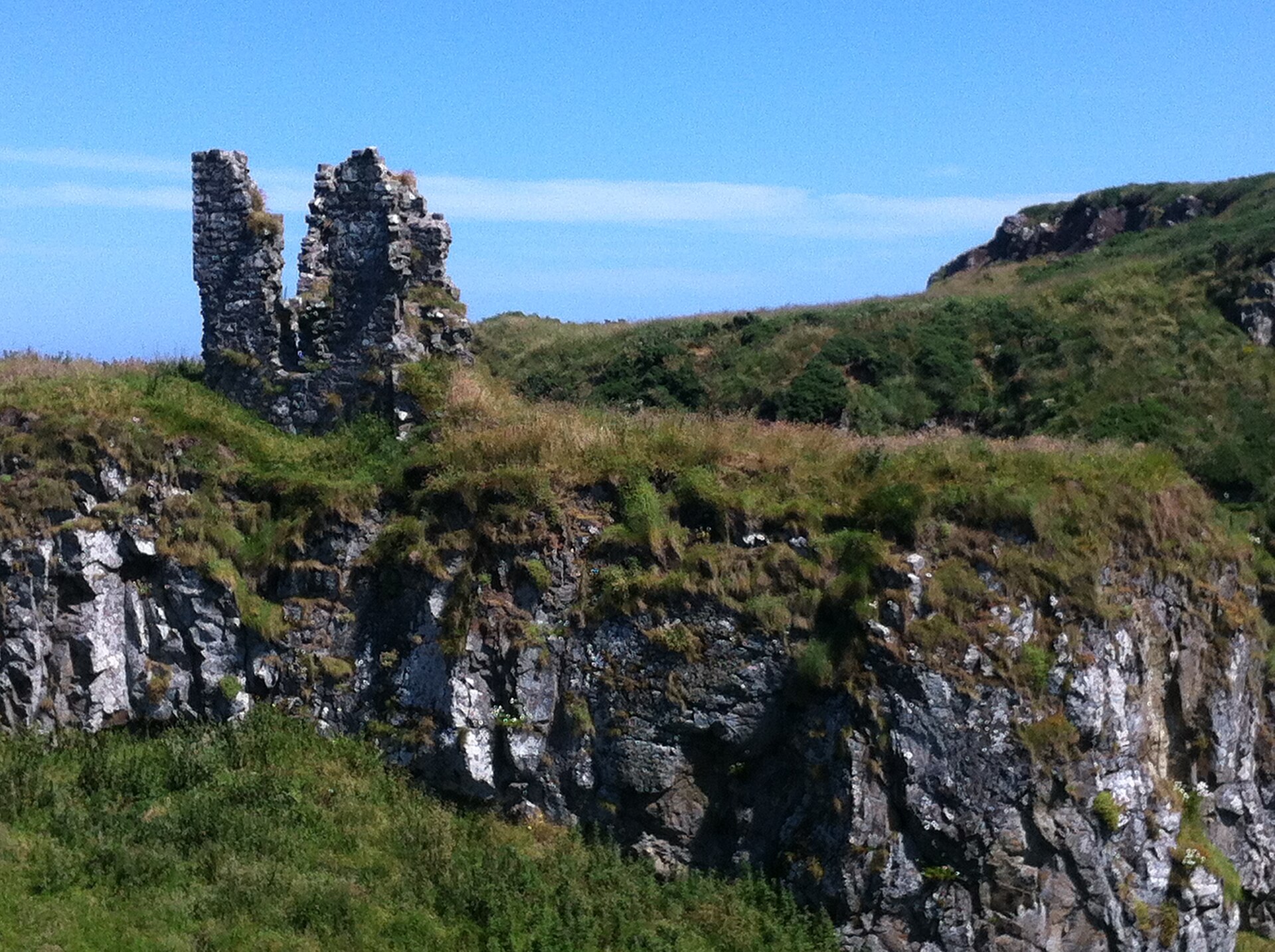
Dunseverick Castle stands where the land meets the sea, its dark stone walls weathered by centuries of Atlantic storms. The ruins cling to a jagged cliff above the North Channel, a place where the wind carries the salt of the ocean and the weight of history. There are no crowds here, no souvenir stalls or guided tours—just the sound of waves crashing against the rocks and the quiet persistence of time.
The castle’s origins stretch back to the early 1600s, when it was built as a stronghold for the MacDonnell clan, one of the most powerful families in Northern Ireland. Unlike the grand estates of England, Dunseverick was never meant to impress with opulence. Its thick walls, narrow arrow slits, and heavy gates were designed for survival, not comfort. Over the years, ownership passed to other local families, but the fortress retained its purpose: to withstand sieges, raids, and the unpredictable tides of war.
The architecture is unmistakably defensive. There are no ornate carvings or soaring towers, just a sturdy three-storey keep built from dark basalt. Inside, the remains of vaulted ceilings, fireplaces, and spiral staircases hint at the lives once lived within these walls. Some sections have crumbled, but the core structure endures, a silent witness to the conflicts that shaped this coastline. The castle was never a royal residence, yet its stones hold stories of battles between English forces and Irish rebels, of Jacobite supporters who used it as a rallying point in the struggle for the British throne.
Beyond the ruins, the landscape is wild and untamed. Sheep graze on windswept grass, and the hills of Antrim rise in the distance. There are no manicured gardens here, no neatly paved paths—just the raw beauty of the coast. On clear days, the view stretches to Rathlin Island and the faint outline of Scotland across the water. The air is sharp with salt, and the only sounds are the cry of gulls and the rhythm of the waves.
Local legends speak of soldiers’ ghosts still keeping watch from the battlements, though the stories feel distant when the setting sun turns the sea to fire. Dunseverick was never a place of grandeur, but its significance lies in its stubborn survival. It was a home, a refuge, a fortress—whatever its inhabitants needed it to be. The castle’s role in regional history may not be as widely known as others, but its presence is undeniable, a quiet monument to the people who once stood guard over this stretch of coast.
Today, the ruins are open to visitors, though there are no exhibits or audio guides. This is a place for those who want to step into the past without mediation. You can climb the worn steps to the upper floors, where lookouts once scanned the horizon for approaching ships. Or descend into the damp cellars, where supplies were stored and the air still feels heavy with age. The stones are slick underfoot, and the wind finds its way through every crack, a reminder of how exposed this place must have felt to those who lived here.
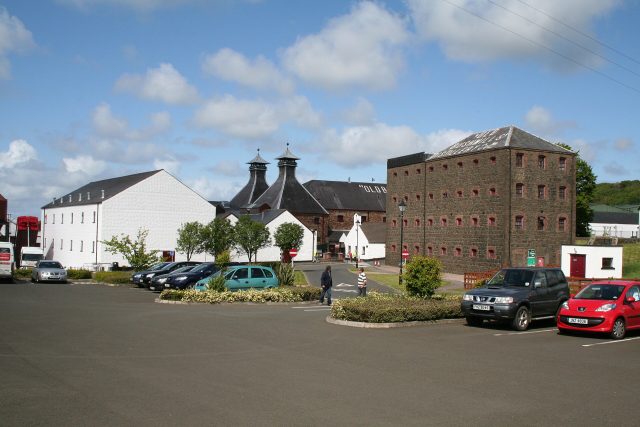
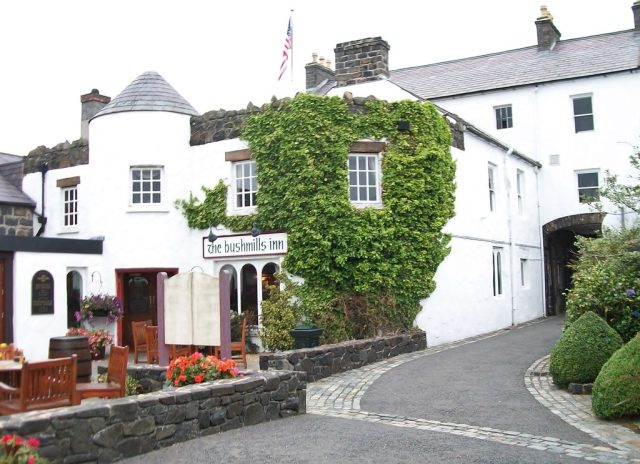
The nearest settlement is the village of Bushmills, a half-hour walk along the coast. It’s a small place, with a handful of pubs and shops where locals gather. There’s no pretence here—just the warmth of a fire, the taste of strong tea, and the easy rhythm of conversation. It’s a glimpse of Northern Ireland beyond the cities, where history isn’t just something you read about but something you can still touch.
Dunseverick doesn’t demand attention. It doesn’t need to. Its value lies in its stillness, in the way it forces you to slow down and listen. Stand on the cliff’s edge, feel the wind, and imagine the lives that unfolded within these walls. The castle was never the centre of great events, but it was a home, a fortress, a silent witness to the passage of time. And in that, it holds a kind of quiet power—one that lingers long after you’ve left.