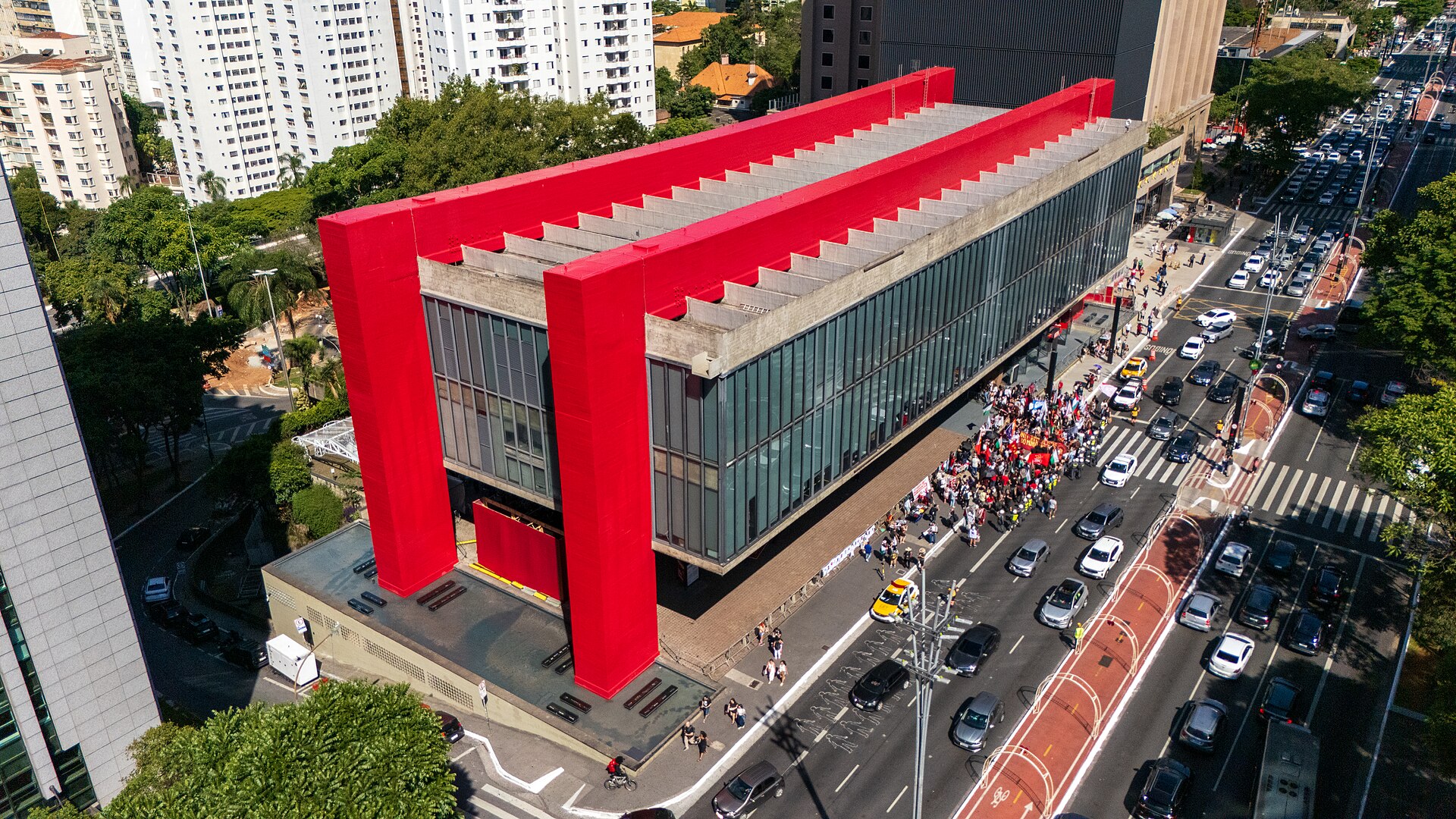
The São Paulo Museum of Art, or MASP as it’s widely known, is one of those rare places that doesn’t just occupy a city but helps define it. Perched along Avenida Paulista, the bustling spine of São Paulo, the museum announces itself long before you reach it. Its most striking feature is the way it seems to hover above the ground, suspended on four massive pillars that leave the space beneath open and inviting. This wasn’t just an architectural flourish—it was a deliberate choice, a way to make art feel accessible rather than locked away in some hallowed hall. The plaza below has become a natural gathering spot, where people linger, meet friends, or simply take a moment amid the city’s relentless pace.
The museum’s story began in the mid-20th century, when Brazilian media mogul Assis Chateaubriand dreamed of creating a world-class art institution in the country. To bring that vision to life, he turned to Italian-Brazilian architect Lina Bo Bardi, whose design would later become an icon of modernism in Brazil. Completed in 1968, the building itself is a work of art, seamlessly woven into the fabric of the city. But MASP was never meant to be just a monument—it was conceived as a living space where art could breathe and engage with the public.
Step inside, and the museum’s collection is just as impressive as its exterior. One of the largest in Latin America, it spans centuries and continents, with a particular strength in European masters. Here, you’ll find works by Raphael, Rembrandt, Van Gogh, Monet, and Picasso, among others—names that carry weight even for those who don’t consider themselves art experts. Yet MASP isn’t just a repository of European classics. Its galleries also showcase Brazilian art, from colonial-era pieces to contemporary works, offering a glimpse into the country’s own rich creative history. What makes the collection unique is how it’s displayed. Instead of hanging on walls, the paintings rest on glass easels, as if floating in midair. This unconventional approach, another of Bo Bardi’s innovations, lets visitors see the works from all angles, creating an almost intimate conversation between the viewer and the art.
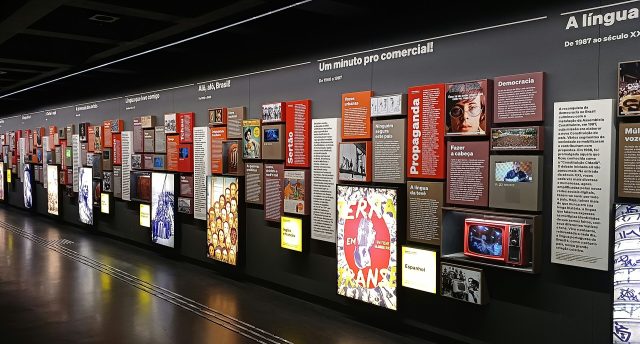
But MASP is more than just a gallery. It’s a cultural hub where art spills beyond the canvas and into the lives of the people who visit. The museum hosts lectures, concerts, film screenings, and educational programs, often tailored to local communities. It’s not uncommon to see school groups on field trips, students poring over art history texts, or older visitors quietly contemplating a favorite painting. There’s no pretension here—no sense that art is something reserved for the elite. The museum’s atmosphere is democratic, almost casual, as if to say that beauty and creativity belong to everyone.
One of the museum’s lesser-known but equally valuable spaces is its library. Packed with thousands of books on art, architecture, and history, it’s open to anyone who wants to dive deeper. Scholars, artists, and curious visitors alike spend hours here, flipping through rare volumes or studying exhibition catalogs. The library embodies the museum’s original mission: not just to preserve art, but to make it understood and appreciated.
Even the space beneath the museum is alive with activity. The plaza under MASP’s suspended structure often transforms into a vibrant public square, hosting fairs, festivals, and impromptu performances. On weekends, it’s not unusual to find artists selling their work, musicians playing for passersby, or food stalls adding to the lively atmosphere. In these moments, the museum feels less like a separate institution and more like an extension of the city itself—a place where culture isn’t confined to galleries but spills out into the streets.
Despite its fame, MASP has never become static. Its collection continues to grow, and its exhibitions evolve, reflecting both timeless traditions and contemporary trends. The museum isn’t afraid to take risks, whether that means showcasing avant-garde installations or hosting experimental performances. Yet it never loses sight of its roots, maintaining a deep respect for the classics that form the backbone of its collection.
For many Paulistanos, MASP is more than just a museum—it’s a familiar presence in their daily lives. Some come seeking inspiration, others to meet friends, and some just to escape the heat or rain for a while. The building’s open, airy design seems to invite people in without expectation, offering a moment of respite or reflection. That, perhaps, is the museum’s greatest achievement: it doesn’t just house art—it makes it part of the everyday, a shared experience rather than something distant or untouchable. In a city as vast and fast-paced as São Paulo, MASP stands as a reminder that art isn’t just for special occasions—it’s for everyone, every day.