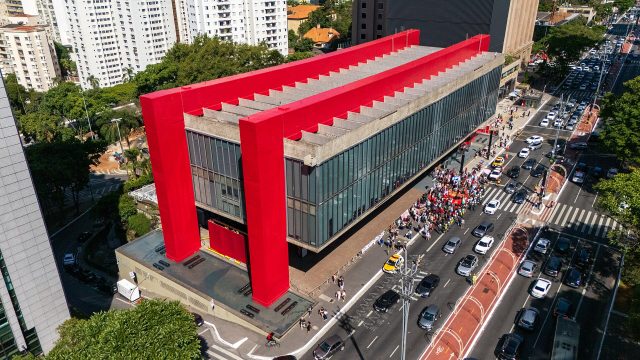
The Museum of the Portuguese Language sits in São Paulo’s Bela Vista district. Inside the former Luz Railway Station, the building itself carries history. Built in the early 1900s, it marked Brazil’s push to expand infrastructure as São Paulo grew into the country’s industrial center. The architecture mixes European modernism with the needs of a busy transport hub—high ceilings, wide halls, and large windows make the space feel open. It’s not about artifacts here, but about how language lives and breathes.
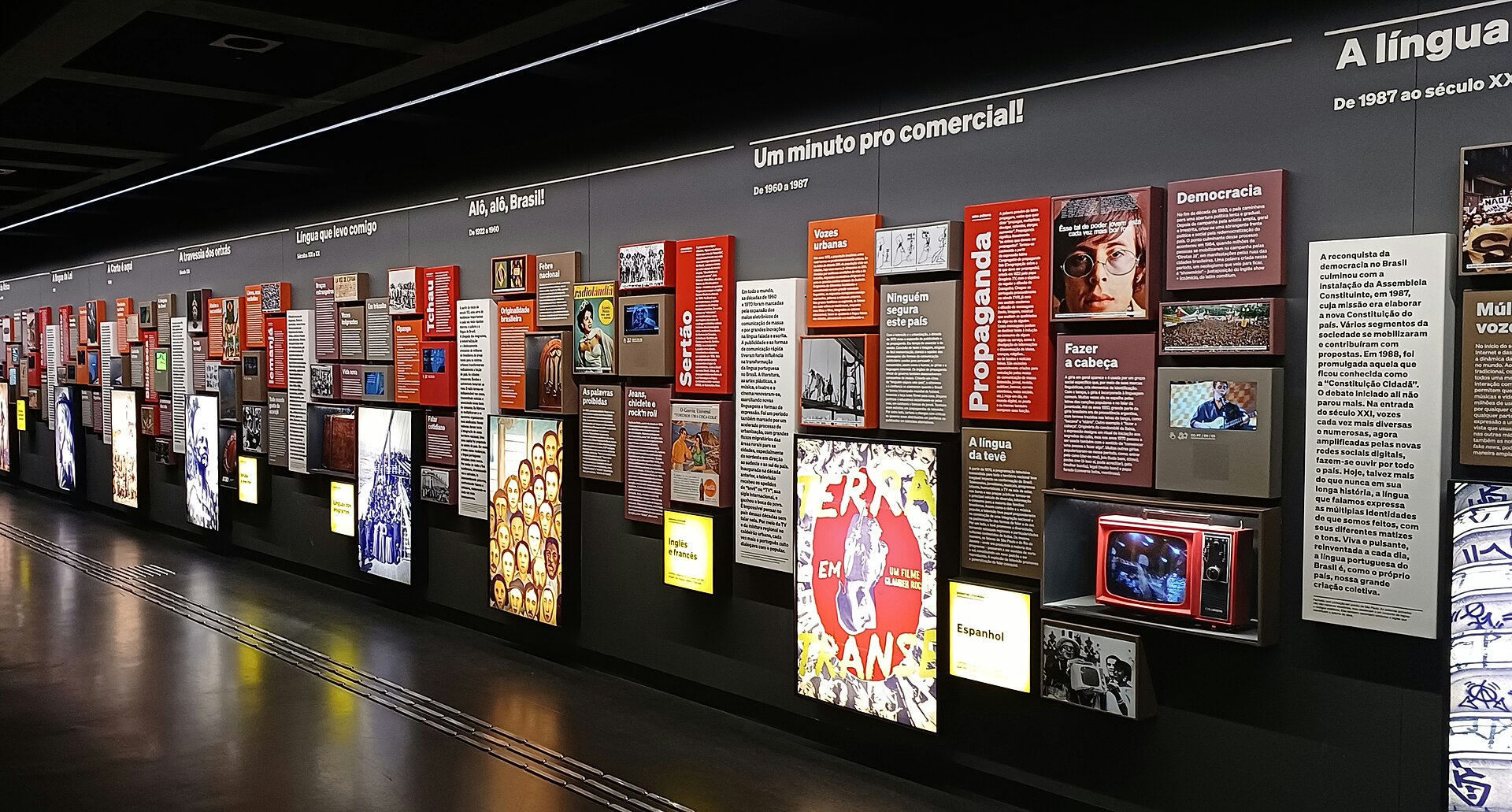
The museum opened in 2006 as the first of its kind, devoted to a language as a cultural force. Portuguese isn’t just Brazil’s official language; it ties together over 200 million people across continents. The exhibits show how it changes—absorbing influences, shaping culture, and being shaped in return. You’ll find everything from early written records to modern slang, from classic literature to folk songs and internet memes.
At the entrance stands the *Tree of Language*, an installation that maps the roots and branches of Portuguese. The roots trace back to Latin and ancient Iberian dialects, while the branches spread toward African, Indigenous, and European languages that have blended over time. In one hall, you can listen to Portuguese as it’s spoken in different places: the smooth rhythms of Brazil, the sharper tones of Portugal, and the distinct sounds of Angola and Mozambique. Even if you don’t speak the language, the differences are clear.
The poetry room projects verses by Brazilian poets onto large screens. You can read them or hear them performed—sometimes by the poets themselves. Nearby, another space explores regional dialects and slang. In the north, the language holds onto older forms, while in the south, Spanish and Italian influences appear because of migration. These variations don’t split the language; they show how deep and varied it is.
Temporary exhibitions focus on specific themes. One tracked how African words entered Brazilian Portuguese during the slave trade. Another looked at how writers in the 20th century experimented with language, creating new styles. These exhibits change often, so there’s always something new to see.
The Luz Station building has its own story. Designed by British architect Charles Henry Driver and finished in 1901, it was part of Brazil’s railway expansion. São Paulo was growing fast, and the station connected the city to the rest of the country. Though trains no longer run from here, the building keeps its original details: marble staircases, wrought-iron railings, and stained-glass windows. The architecture reflects the optimism of its time.
You don’t need to be a linguist to appreciate this place. It’s for anyone curious about Brazil, its culture, and its people. Walk through the halls, listen to the language, and see how it has evolved. For Brazilians, it’s a way to think about what shapes their identity. For visitors from elsewhere, it’s a chance to see how Portuguese weaves through daily life. Language isn’t just words—it’s how a nation sees itself.