Nestled on a gentle rise in Grapevine, a quiet suburb on the outskirts of the city, St. Nicholas the Wonderworker Church feels like a place where time moves at its own unhurried pace. The whitewashed walls, slightly tinged with blue, stand out against the low houses and gardens that surround it, while the darkening tin domes and the slender bell tower reaching toward the sky give the church a sense of quiet endurance. It doesn’t demand attention, but those who take the time to notice it often find themselves lingering, as if drawn by something deeper than its modest appearance.
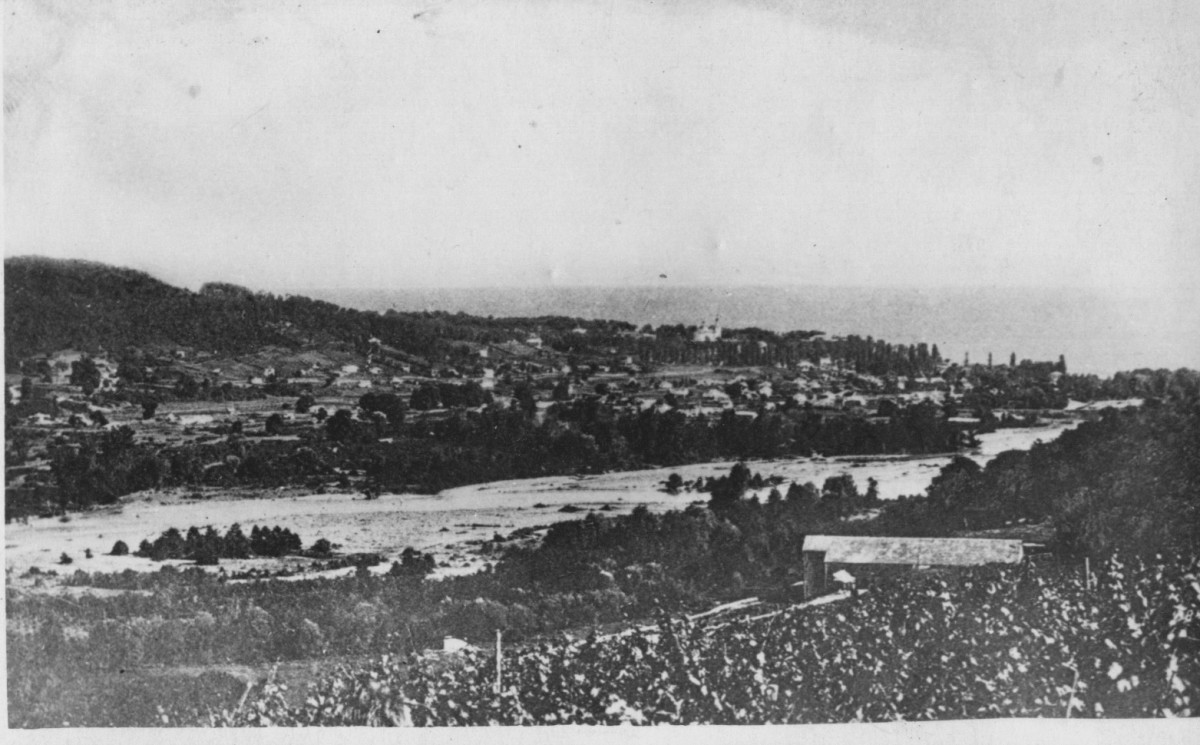
The history of the church is woven into the story of Grapevine itself. The village began in the late 18th century as a small settlement of peasants and Cossacks, and even then, a wooden church stood here. Over time, the original structure fell into disrepair, and in the mid-19th century, the current stone church was built in its place. Its architecture is unassuming, typical of rural churches in southern Russia—simple, without ornate details, yet balanced in a way that feels just right. What makes it special is that it wasn’t commissioned by wealthy patrons or built by decree. Instead, it was funded by the villagers themselves, a collective effort that turned it into a symbol of their faith and unity.
Inside, the church is just as understated. The iconostasis, crafted from dark wood with delicate gilding, is elegant in its restraint, while the faded frescoes on the walls carry a warmth that feels almost personal. There are no grand flourishes here, just a quiet reverence that fills the space. The most venerated icon is that of St. Nicholas the Wonderworker, believed to have been brought here in the 19th century. According to local tradition, it has been a protector of the village ever since. During the Soviet era, when many churches were closed, the villagers kept the icons and religious items safe, hiding them in their homes until the day they could be returned.
Today, the church is active once more, and life here follows the steady rhythm of tradition. On Sundays and religious holidays, worshippers gather—not just from Grapevine, but from nearby villages and even the city. The services are unhurried, with the measured solemnity that feels natural in a rural setting. When the bells ring, their sound carries across the fields, and for a moment, it’s as if the village slips back into an older way of life. In summer, the air around the church is sweet with the scent of blooming gardens, while in winter, snow dusts the domes, softening their outlines against the sky.
St. Nicholas the Wonderworker Church is more than just a historical landmark. It’s a place where the past and present coexist, where the creak of old floorboards, the scent of incense, and the quiet conversations after services create a sense of continuity. This is a church that has seen generations come and go, yet it remains a living part of the community. It doesn’t impress with grandeur or spectacle, but with something far rarer—a sense of authenticity, a connection to the people who built it, prayed here, and kept its spirit alive. For those who seek it out, it offers a quiet reminder of the enduring power of faith and tradition.