The House of Culture in Vinogradnoye is one of those quiet places that doesn’t immediately catch your eye but slowly becomes woven into the fabric of a small community. Tucked away in the heart of the village, it has served as a gathering point for locals for decades. Inside its walls, life unfolds in all its ordinary and extraordinary forms—concerts, rehearsals of amateur groups, holiday celebrations, and even casual meetups between neighbors. Unlike the grand cultural palaces of big cities, this building feels more like a welcoming home, a place where everyone can find something to their liking.
The architecture is unmistakably Soviet in its simplicity—clean lines, practical design, and minimal ornamentation. The two-story building, with its wide windows and modest porch, looks sturdy and unpretentious. Inside, a spacious auditorium with a balcony, a few rooms for clubs, and a small stage set the scene for performances by local talents and visiting artists. The interior still carries the echoes of the past: high ceilings, wooden panels, and faded posters on the walls. It’s a space where time seems to slow down, where the air is thick with familiarity and warmth.
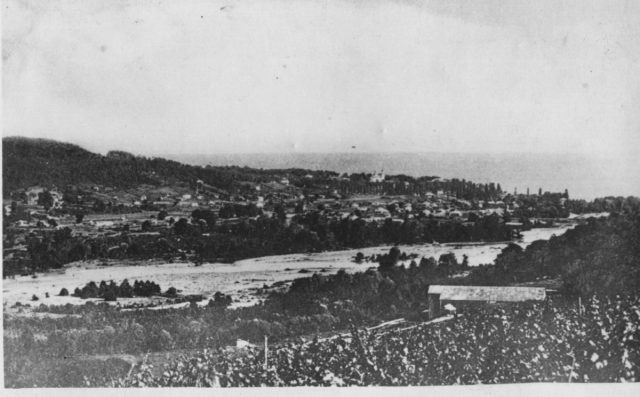
The history of the House of Culture is closely tied to the story of Vinogradnoye itself. Like many settlements in this region, the village grew around agricultural lands, particularly vineyards and winemaking. In the mid-20th century, as the local wine industry flourished, the need for a cultural center became apparent. The House of Culture wasn’t just a place for leisure; it became a symbol of communal life. Harvest festivals, meetings, lectures, and film screenings were all part of its rhythm. For many older residents, these walls hold memories of youth, first dances, and gatherings with friends.
Today, the House of Culture continues its role, though not with the same intensity as in Soviet times. Children’s and adult clubs still meet here—dance groups, theater studios, and more. On weekends, the auditorium often fills with people attending concerts by local performers or traveling theater productions. Occasionally, there are exhibitions of local artists’ work or workshops on traditional crafts. Despite the village’s small size, cultural life here never truly fades, and the House of Culture remains its beating heart.
What makes this place special is its vitality. Unlike formal cultural institutions in cities, there’s no rigid protocol or official pomp here. People don’t just come for events—they drop by to chat, have tea in the small buffet, or catch up on news. In warmer months, groups gather outside, playing chess or dominoes, while children run around the yard. Inside, you’ll always find familiar faces, hear laughter, or catch the sounds of a rehearsal in progress. Life here doesn’t pause, even for a moment.
Of course, the House of Culture faces its share of challenges. Like many similar venues in small towns, it struggles with funding. Repairs, new equipment, and booking well-known performers aren’t always possible. But locals understand this—it’s not just a building to them, but a piece of their history, a place where they grew up and where their children and grandchildren now gather. Many pitch in however they can: organizing clean-up days, donating old books to the library, or simply showing up to be part of its life.
In recent years, younger people have started to appear more often. Some come for the company, others to try something new. For teenagers, the House of Culture offers a place to spend time meaningfully, away from the streets. There are discos, talent shows, and meetings with interesting guests. All of this helps bridge the gap between generations and keeps the place relevant.
The House of Culture in Vinogradnoye isn’t just an institution—it’s a living organism that evolves alongside the village. It doesn’t aim for grandeur or luxury, but within its modest walls, the pulse of real life beats strong. There’s no room for indifference here; everyone who walks through the door becomes part of its story. And perhaps that’s its greatest value—not in its architecture or programs, but in the sense of warmth and belonging it offers to those who call it home.