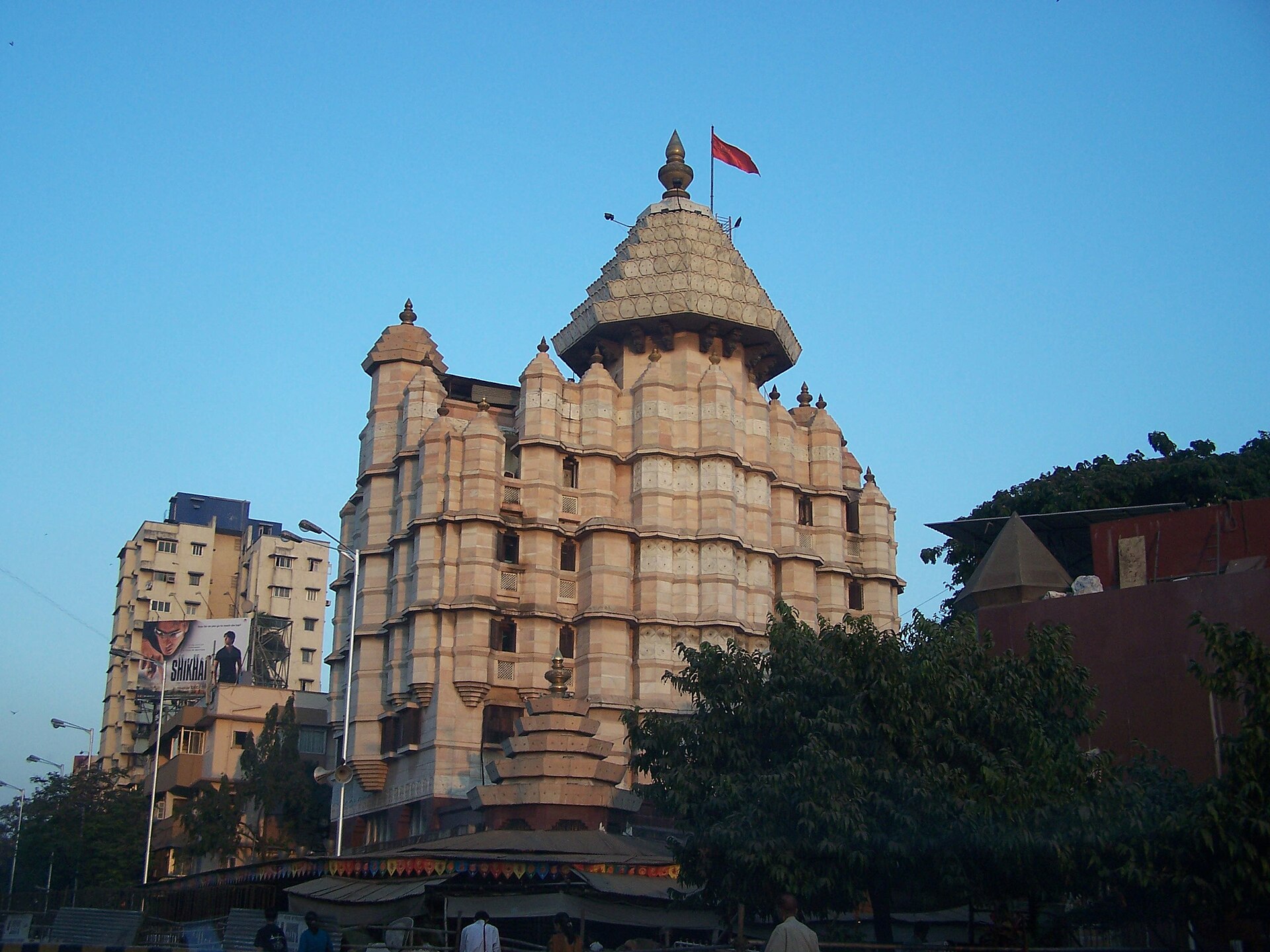
Siddhi Vinayak Temple in Mumbai is one of those places where the city’s spiritual pulse beats strongest. Tucked away in the Prabhadevi neighborhood, it draws people from all walks of life—students clutching exam admit cards, businessmen finalizing deals, actors stepping onto film sets, or simply those seeking a moment of quiet in the chaos of daily life. The temple is dedicated to Ganesha, the elephant-headed deity known here as Siddhi Vinayak, the one who grants wishes and removes obstacles. For many, a visit isn’t just about prayer; it’s a ritual of hope, a pause before a new beginning, or a quiet thank-you for something already received.
The temple’s origins trace back to the early 19th century, when a family from the Agri community built a small shrine on their land. Back then, it was a modest structure, but as Ganesha’s popularity grew across Maharashtra, so did the temple’s significance. Over the decades, it underwent several expansions and renovations, each one reflecting the changing times. The current building, with its gleaming gold-plated dome and white marble interiors, is the result of the most recent upgrades. The dome, visible from a distance, has become a familiar landmark in Mumbai’s skyline, a quiet counterpoint to the city’s towering office buildings and neon signs.
Stepping inside, the first thing you notice is the scent—sandalwood, fresh flowers, and the faint sweetness of incense mingling in the air. The space is dimly lit, the glow of oil lamps casting long shadows on the marble walls. Despite the crowds, there’s a sense of calm here, a rhythm to the movements of devotees as they approach the sanctum. The main idol of Ganesha is carved from black stone, his trunk curled to the right, a rare and auspicious form said to bring particular blessings. Flanking him are the figures of his consorts, Siddhi and Riddhi, representing spiritual fulfillment and material prosperity. Devotees offer flowers, coconuts, sweets, and coins, pressing their palms together in prayer as priests chant mantras and perform rituals.
Tuesdays are especially busy, as this is Ganesha’s day, and the temple hums with activity from dawn till dusk. But the real spectacle unfolds during Ganesh Chaturthi, Mumbai’s most vibrant festival. For ten days, the city transforms into a sea of color and sound, and Siddhi Vinayak becomes the heart of the celebrations. Processions wind through the streets, music fills the air, and the temple is draped in garlands, its steps crowded with people waiting for a glimpse of the deity. Even those who don’t consider themselves particularly religious often find themselves drawn into the festivities, swept up in the collective energy of the moment.
What makes Siddhi Vinayak unique isn’t just its religious significance, but the way it’s woven into the fabric of Mumbai’s daily life. It’s a place where the sacred and the mundane intersect—where a street vendor might pause to offer a coconut before opening his stall, or a Bollywood star might slip in unnoticed before a shoot. The temple doesn’t just belong to the devout; it belongs to the city itself. Businesses sponsor free meals for the needy, medical camps are set up in its courtyards, and during crises, it becomes a hub for relief efforts. There’s a sense that no matter who you are or where you come from, you’re welcome here.
The architecture reflects this blend of tradition and modernity. The entrance is adorned with intricately carved columns, a nod to Maratha craftsmanship, while the interiors gleam with white marble inlaid with semi-precious stones. The gold-plated dome isn’t just decorative; it’s a beacon, a reminder of the temple’s presence in a city that’s always moving. Outside, the streets buzz with vendors selling garlands, incense, and small Ganesha idols, their stalls a colorful extension of the temple’s atmosphere. The sweets handed out as prasad—blessed offerings—are a small but meaningful part of the experience, a taste of something sacred shared among strangers.
Visiting Siddhi Vinayak isn’t like stepping into a museum or a monument frozen in time. It’s a living, breathing space where faith is practiced openly and without pretense. There are no strict rules for visitors—you can sit quietly in a corner, watching the rituals unfold, or join the queue to offer your own prayers. But it’s worth remembering that this is still an active place of worship. Dress modestly, remove your shoes before entering, and be mindful of those around you. The temple is open from early morning until late evening, though the line for darshan—the act of seeing and being seen by the deity—often stretches well into the night.
For many Mumbaikars, Siddhi Vinayak is more than just a temple; it’s a symbol of resilience and hope. In a city where fortunes can change overnight, where dreams are made and broken in equal measure, the temple offers a sense of continuity. It’s a place where the wealthy and the working class stand side by side, where celebrities and rickshaw drivers alike bow their heads in prayer. That sense of equality, of shared purpose, is perhaps why the temple has endured for over two centuries. It’s not just a relic of the past; it’s a part of Mumbai’s present, a quiet constant in a city that’s always reinventing itself.