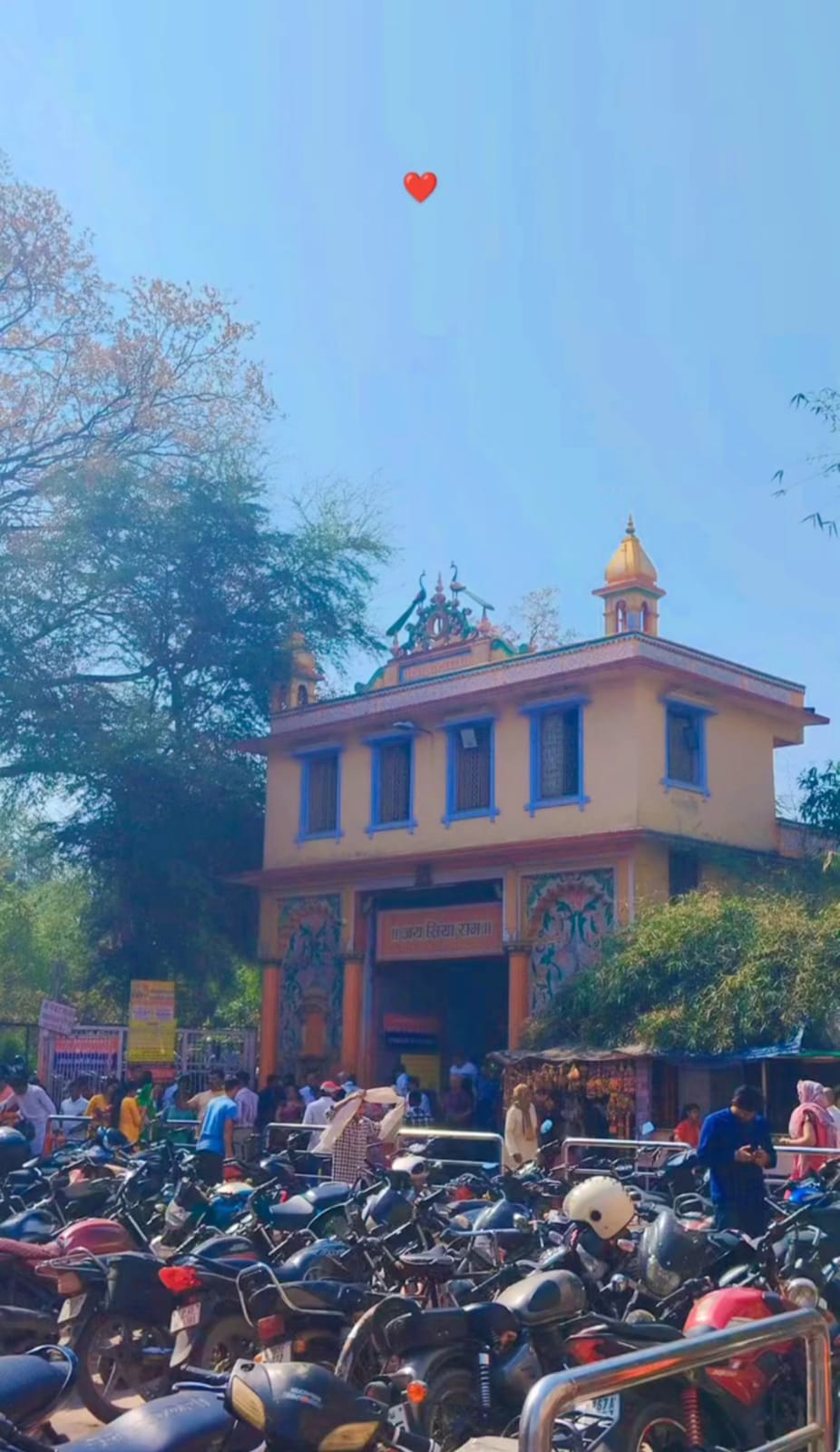
Sankat Mochan Temple sits quietly along the banks of the Assi River, away from the crowded ghats and tourist circuits that define much of Varanasi. Unlike the bustling temples that line the Ganges, where pilgrims jostle for space and ceremonies unfold with theatrical precision, this place moves to a slower rhythm. It’s dedicated to Hanuman, the monkey god revered in Hindu tradition as a symbol of strength, devotion, and protection. There are no grand processions here, no strict schedules—just the steady hum of prayer and the scent of incense drifting through the air. For those who wander in, it feels less like a place of worship and more like a refuge, where faith isn’t performed but simply lived.
The temple’s origins trace back to the 16th century, when the poet-saint Tulsidas, best known for his retelling of the Ramayana in Hindi, founded it after a vision of Hanuman. According to legend, the deity appeared to him here, by the Assi’s gentle currents, and instructed him to build a shrine. Since then, Sankat Mochan has been a sanctuary for those seeking relief from life’s troubles—its name means "the remover of sorrows." Varanasi has always been a city where the sacred and the ordinary intertwine, and this temple embodies that connection more intimately than most. It doesn’t demand attention; it waits, patiently, for those who need it.
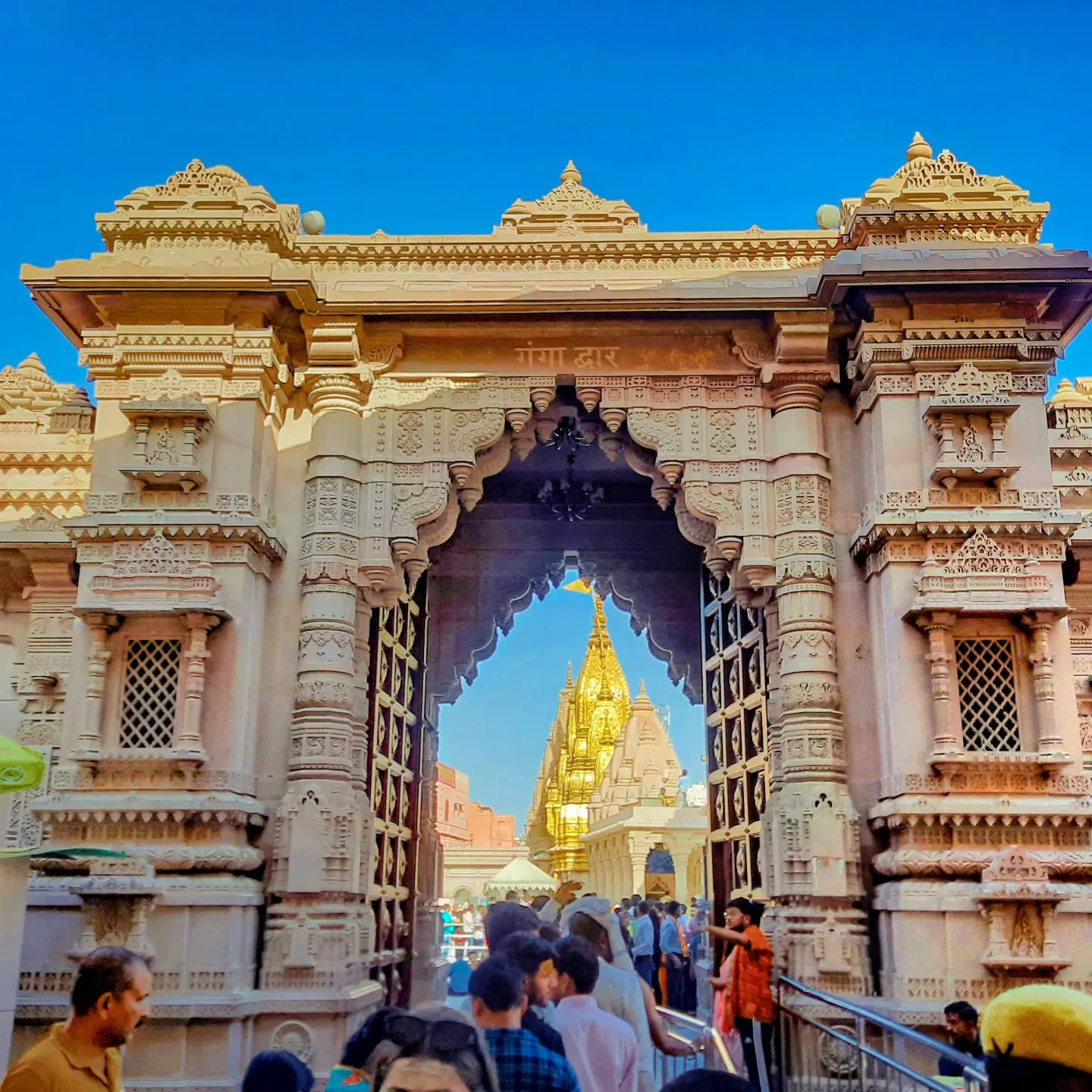
The architecture is unassuming, almost austere compared to the ornate temples that dominate the city. A modest structure with whitewashed walls and a red-tiled roof, it could easily be mistaken for a family home. Inside, the altar holds a stone statue of Hanuman, draped in garlands of marigolds and smeared with sandalwood paste. There are no towering spires or intricate carvings, just the quiet presence of the deity and the soft murmur of prayers. The simplicity is deliberate—it invites you to focus not on the surroundings, but on the act of devotion itself.
Twice a day, the temple comes alive during aarti, the ritual of offering light to the gods. Priests in white dhotis chant hymns as bells ring and drums echo through the courtyard. The air fills with smoke from burning camphor, and for a moment, the outside world fades. Tuesdays and Saturdays, considered auspicious for Hanuman, draw larger crowds. Devotees arrive from across India, carrying coconuts, sweets, and flowers as offerings. The atmosphere is one of quiet reverence, not spectacle. There are no tour groups here, no vendors hawking souvenirs—just people, some in prayer, others in silent contemplation.
One of the most endearing traditions at Sankat Mochan is the feeding of the monkeys. Dozens of rhesus macaques roam the temple grounds, regarded as living embodiments of Hanuman himself. Visitors buy bananas and peanuts from stalls outside to offer them, a ritual that feels both playful and sacred. The monkeys are neither shy nor aggressive; they move through the crowd with an ease that suggests they know they belong here. For locals, feeding them is an act of merit, believed to bring good fortune and protection. It’s a small gesture, but one that ties the present to an ancient past, where gods and animals walked among humans.
The temple is surrounded by a small garden, where old trees provide shade and the Assi River flows lazily by. The water here is calmer than the Ganges, less crowded, and some come to bathe or sit by the bank in quiet reflection. Varanasi is a city of extremes—where wealth and poverty exist side by side, where ancient rituals collide with modern life—but Sankat Mochan offers a pause from all that. It’s a place to sit on a bench, watch the world go by, and feel the weight of the city lift, if only for a moment.
What makes this temple special isn’t just its religious significance, but the way it becomes part of people’s lives. For many in Varanasi, it’s a place of personal refuge, somewhere to go when life feels overwhelming. There are no sermons here, no expectations—just an open door and the understanding that everyone carries their own burdens. The temple doesn’t promise miracles, but it offers something quieter: the sense that you’re not alone, that unseen forces are listening. In a city where faith is often on display, Sankat Mochan feels like a private conversation with the divine.
Visiting Sankat Mochan isn’t like ticking off a tourist attraction. There are no guides reciting facts, no signs telling you how to behave. You walk in, find a spot on the floor, and let the rhythm of the place guide you. Some stay for minutes, others for hours. When you leave, there’s no grand revelation, just a subtle shift—a lightness, perhaps, or the quiet certainty that you’ve been somewhere real. That’s why it remains largely unknown to outsiders. It doesn’t cater to those seeking spectacle; it exists for those who are willing to simply be present. In a city as layered and intense as Varanasi, Sankat Mochan is one of the few places where you can feel, rather than just see, the soul of India.