Perched on a gentle slope just outside Himeji, Enkyō-ji has watched over the landscape for more than a thousand years. Its story begins in 966, when the Buddhist monk Shōku chose this quiet hillside to establish a small hermitage. Over the centuries, that modest retreat grew into one of the region’s most respected spiritual centers, earning its name—“Temple of Flourishing Teachings”—through the steady preservation and sharing of Buddhist wisdom. During the turbulent Muromachi period, when warlords divided the country, Enkyō-ji offered more than refuge; it became a sanctuary of learning where monks copied sutras, practiced calligraphy, and were known for their scholarship. Even in an age of conflict, the temple stood as a place where knowledge endured.
The architecture here reflects the quiet elegance of Heian and Kamakura-era temple design, though many structures have been rebuilt after fires and wars. The main hall, or hondō, remains a fine example of the style: sturdy wooden pillars, low-slung roofs with upturned eaves, and sliding shōji screens that filter the light into a soft, diffused glow. Inside, the dimness gives way only at the altar, where a gilded statue of Amida Nyorai is illuminated by flickering oil lamps. Nearby, the three-tiered pagoda rises above the treetops, each level symbolizing one of Buddhism’s Three Jewels—Buddha, the teachings, and the community of believers.
A winding path of stone steps leads up to the temple, cutting through a forest of towering cryptomeria trees. The atmosphere shifts with the seasons: cherry blossoms drift down in spring, summer brings the scent of damp earth and pine, autumn sets the maples ablaze, and winter wraps the temple in a hush of snow. Locals often visit not just to pray, but to walk the quiet trails, breathe the clean air, and step away from the pace of the city. The temple grounds feel like a world apart, where time moves differently.
Enkyō-ji has long been woven into the history of Himeji. In the medieval era, it was closely tied to the Akamatsu clan, who ruled the area, and even served as a temporary residence for nobility during times of war. Later, in the peaceful Edo period, the temple became a pilgrimage site for ordinary people, drawn especially to the statue of Kannon, the bodhisattva of compassion, believed to possess healing powers. To this day, visitors leave wooden prayer plaques with messages of gratitude or hope, a quiet testament to the faith that has endured here.
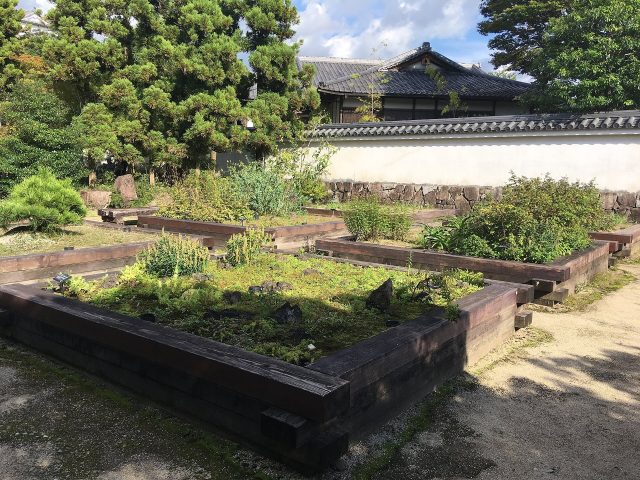
Unlike the crowded temples of Kyoto or Nara, Enkyō-ji remains a place of stillness. It is still an active religious site, where monks hold services, lead meditation sessions, and give talks on Buddhist philosophy. A small museum on the grounds displays relics and artifacts, but there are no grand exhibits or tourist crowds. Instead, visitors can wander the paths, sit on a wooden veranda overlooking a rock garden, or simply listen to the wind rustling through the trees. The temple’s rhythm is slow, deliberate—one that has persisted for centuries.
For those seeking a deeper understanding of Japanese culture, Enkyō-ji offers a rare glimpse into its spiritual heart. There are no flashy attractions or ornate decorations here, just the understated harmony that defines so much of Japan’s aesthetic tradition. The monks who live on the grounds still tend to daily tasks—raking gravel, sweeping leaves, chanting sutras—and their presence is a reminder that the traditions established here in the 10th century are still alive. The temple doesn’t just preserve the past; it lives within it.
An early morning visit can feel like stepping into another era. When mist still clings to the valley below, the sound of the temple bell carries across the hills, marking the start of the day’s first service. It’s a sound that seems to resonate not just through the air, but through time itself. In moments like these, Enkyō-ji is more than a historical site—it’s a place where the past and present exist side by side, bound by silence and the quiet weight of history.