Koko-en Garden in Himeji is one of those rare places where time seems to soften, allowing you to notice the small things that usually slip by unnoticed. Tucked just a short walk from Himeji Castle, this garden feels both old and new—its design rooted in Edo-period traditions, yet shaped in the late 20th century as a tribute to the city’s history. Unlike the castle’s imposing presence, Koko-en offers something quieter: a space where every stone, path, and plant has been placed with intention, not just for beauty, but for meaning.
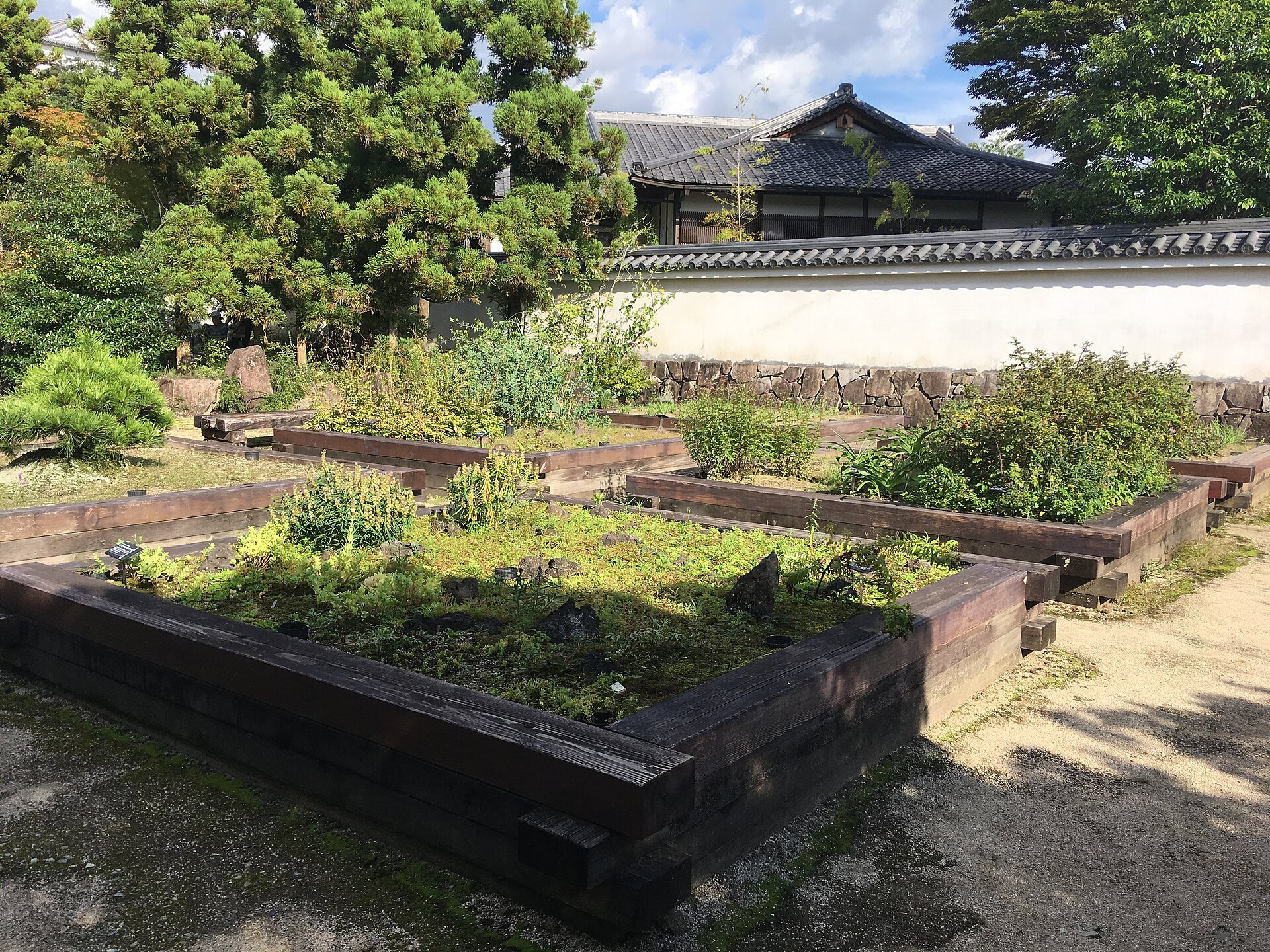
The garden is divided into nine distinct sections, each representing a different style of Japanese landscape design. Some areas are sparse and meditative, with raked gravel and carefully arranged rocks evoking the Zen gardens of Kyoto. Others are lush and flowing, with ponds, waterfalls, and arched bridges that invite you to linger. One of the most striking parts is the tea garden, where low wooden pavilions stand as quiet reminders of the ceremonies once held here. It’s easy to imagine samurai or scholars gathering in these spaces, stepping away from the world to share tea and conversation.
Though none of the original Edo-period structures remain, the layout of Koko-en echoes the estate gardens that once occupied this land. The gravel paths, stone lanterns, and wooden gates aren’t just decorative—they’re deliberate nods to the past, designed to feel authentic without being overly formal. The garden doesn’t feel like a museum exhibit; it’s alive, shifting with the seasons. In spring, cherry blossoms drift over the paths like pink snow. Autumn turns the maples into flames of red and gold. Even winter has its own quiet magic, when frost dusts the bare branches and snow settles on the rocks, turning the garden into a monochrome study in texture and light.
At the heart of Koko-en is a pond garden, where a small island rises from the water like a miniature mountain. This design isn’t just for aesthetics—it’s a reference to the mythical Isles of the Immortals, a place of eternal peace in Japanese folklore. The water is so still it mirrors the sky and trees perfectly, making the reflections seem almost more real than the originals. Nearby, two bridges cross the pond: one arched, lifting you slightly above the water, the other flat, blending seamlessly into the shore. The contrast isn’t accidental; it’s a subtle way of playing with perspective, inviting you to see the same space in different ways.
What makes Koko-en special is its lack of pretense. There are no crowds here, no loud attractions, just the sound of wind through the leaves and the occasional ripple of water. It’s a place that doesn’t demand your attention but rewards it if you give it. You could spend an hour wandering the paths or a whole afternoon sitting on one of the benches, watching how the light changes the colors of the moss or the way the shadows stretch across the gravel. In summer, the shade of the trees and the coolness of the ponds make it a refuge from the heat. In winter, the bare branches and frost create a sense of fragile stillness.
Koko-en was created in 1992 to celebrate Himeji’s centennial, a gift to the city from its planners and designers. The team behind it didn’t just replicate old gardens—they wove together traditional elements with modern sensibilities, creating something that feels both timeless and fresh. It’s a bridge between eras, a place where the past isn’t preserved in glass but allowed to breathe and grow.
Most visitors take about an hour to explore, but there’s no rush. The garden doesn’t impose a route or a schedule; you can wander freely, doubling back to a spot that caught your eye or pausing where the view feels right. There are no grand statements here, no dramatic reveals—just the quiet pleasure of a well-tended space. It’s the kind of place where you might start out admiring the design and end up simply enjoying the way the air smells after rain or the sound of a distant waterfall.
Koko-en isn’t a garden you can fully capture in words or photographs. You have to walk its paths, feel the gravel underfoot, listen to the rustle of bamboo or the splash of a koi breaking the surface of the pond. It doesn’t tell you what to think or how to feel; it lets you discover that for yourself. For some, it’s a window into Japan’s history and aesthetics. For others, it’s just a beautiful place to sit and do nothing. Either way, it leaves you with a sense of calm, as if for a little while, the rest of the world has faded into the background.