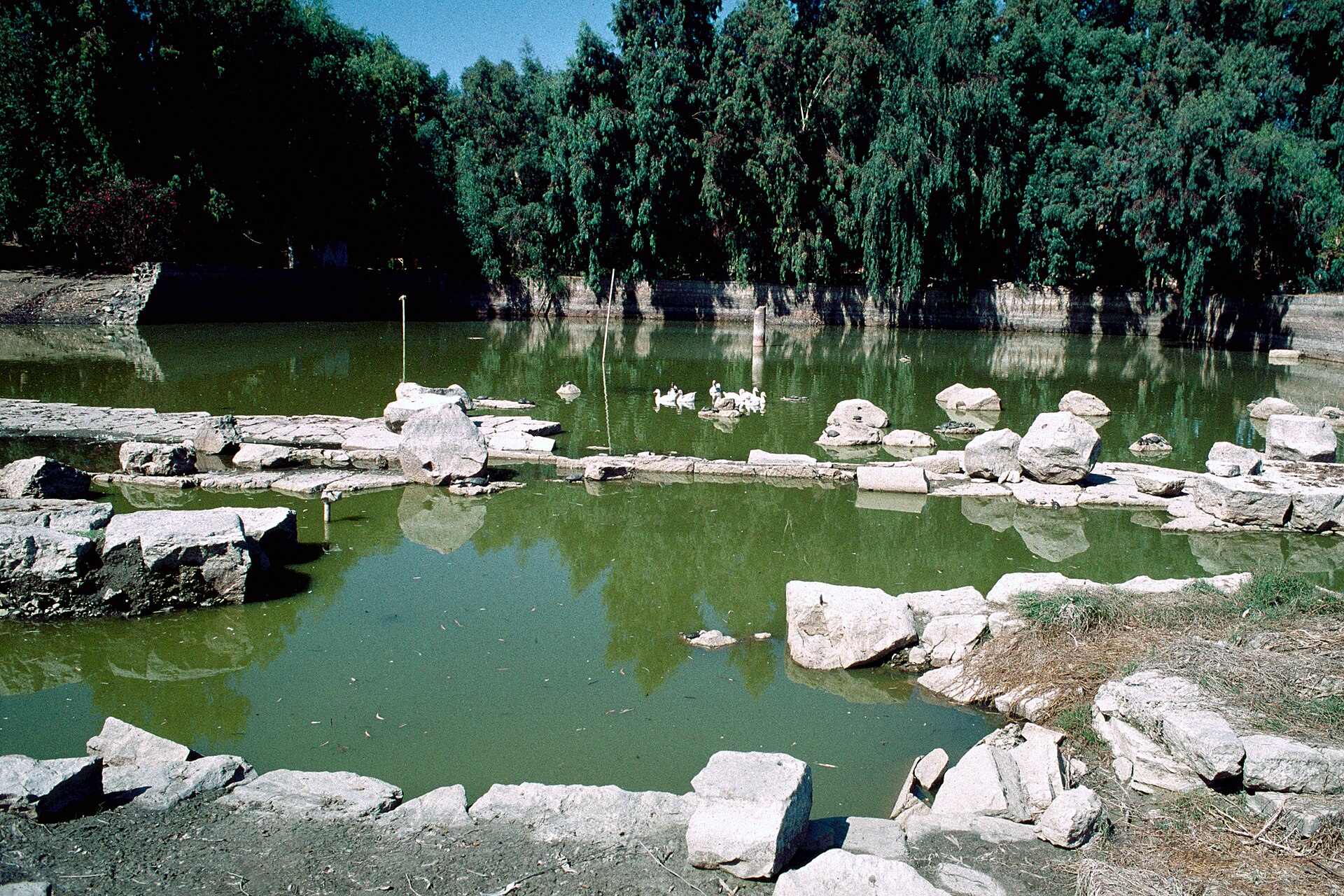
The Temple of Artemis in Selçuk is one of those places that quietly demands reflection. What remains today is a single reconstructed column, standing alone amid grass and scattered stones, but this was once one of the Seven Wonders of the Ancient World. Built in the 6th century BCE, the temple was dedicated to Artemis, the goddess of the hunt and fertility, revered not just in Ephesus but across the Mediterranean. Its scale was staggering—marble columns nearly eighteen meters tall, adorned with intricate reliefs and statues, supported a vast roof, while inside, offerings of gold, ivory, and artworks filled the sacred space. For centuries, it was a place of pilgrimage, a symbol of both divine power and human ambition.
The temple’s history is marked by fire and rebirth. The first structure was destroyed in 356 BCE, reportedly on the same night Alexander the Great was born. The arsonist, Herostratus, sought infamy, and though his name became synonymous with notoriety, the temple itself was rebuilt with even greater splendor. Yet by the 3rd century CE, its fate was sealed. Christianity was rising, and the old gods were fading. The temple was gradually dismantled, its marble repurposed for other buildings, including the nearby Basilica of St. John in Selçuk. What was once the heart of a city became just another quarry for the next era.
Selçuk itself is a town layered with history, but the Temple of Artemis draws those who seek a connection to antiquity. The ruins lie on the outskirts, a quiet spot where the past feels almost tangible. Around it, fields stretch toward the hills, and in the distance, the ruins of Ephesus loom—a city that once thrived as a center of trade, culture, and worship. The temple was more than a religious site; it was an economic hub, where merchants, priests, and pilgrims gathered. Its influence extended far beyond its walls, shaping the identity of the region.
The architecture of the temple blended Greek and Anatolian traditions. The columns followed the Ionic style, but their decorations told stories rooted in local mythology. The temple stood on a high platform, approached by broad steps, and was surrounded by a double colonnade. Inside, the cult statue of Artemis was said to be a masterpiece of gold, ivory, and ebony, depicting the goddess with multiple breasts—a symbol of fertility. None of it survives today, but the fragments that remain hint at the temple’s former grandeur.
Visiting the Temple of Artemis is less about seeing and more about feeling. There are no signs, no barriers, no crowds—just a lone column and the stones that once formed its walls. In the mid-20th century, archaeologists pieced together what they could, but the site remains raw, almost untouched. Locals sometimes come here to sit in the shade, while visitors take photos, trying to imagine the temple as it was. The absence of modern interventions makes the experience more intimate, as if the past is still lingering in the air.
This is not a place for hurried tourists. There’s no gift shop, no audio guide, no carefully curated display. Instead, it invites quiet contemplation. You can sit on a stone and listen to the wind, imagining the sounds of ancient rituals—the chants of priests, the murmur of pilgrims, the clatter of merchants setting up their stalls. The temple’s decline mirrors the rise and fall of empires, a reminder that even the most magnificent creations are temporary.
Selçuk and its surroundings are an open-air museum, with Ephesus just a short distance away. There, you can walk the marble streets, stand in the shadow of the Library of Celsus, or gaze at the vast theater where thousands once gathered. But the Temple of Artemis is different. It doesn’t overwhelm with its scale, yet it carries a weight that those grander ruins sometimes lack. Perhaps because so little remains, or perhaps because its story is one of both glory and oblivion.
Today, the temple is a monument to impermanence. What was once the center of the world is now a whisper of the past. Yet that whisper is what makes it special. There’s no need for grand narratives or dramatic reconstructions. Just the stones, the wind, and the quiet understanding that some places don’t need to be whole to be powerful. They only need to be remembered.