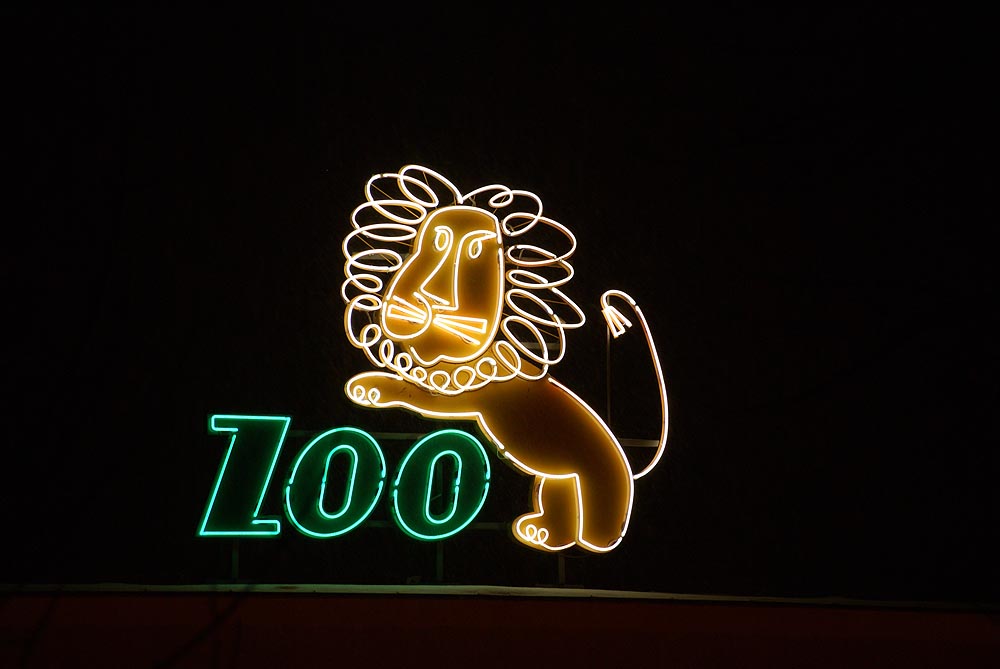
Wrocław Zoo is one of those rare places where the past and present coexist in a way that feels almost effortless. Founded in the mid-19th century, when the city was still known as Breslau and part of Prussia, it began as a scientific institution rather than a place of entertainment. The first enclosures were designed to mimic natural habitats, an innovative approach for the time. Walking through its paths today, you can still sense the layers of history—old stone structures stand alongside modern pavilions, each era leaving its mark in the architecture and atmosphere.
The zoo sprawls across a generous stretch of land near the Oder River, right in the heart of the city. Unlike many urban zoos, it doesn’t feel cramped. Trees, ponds, and open lawns create the illusion of a real forest park, offering shade on hot days and a quiet retreat in every season. In autumn, the golden and crimson leaves reflect in the water, where ducks and swans glide as if unaware of the visitors watching them. Winter transforms the zoo into something almost magical, with snow dusting the roofs of enclosures and the bare branches of ancient oaks.
What makes Wrocław Zoo special is its remarkable collection of animals—over ten thousand individuals representing around a thousand species. Among them are rare and endangered creatures like snow leopards, Amur tigers, and red pandas. The African Pavilion is a highlight, where giraffes, zebras, and rhinos roam in spacious enclosures designed to resemble the savanna. The oceanarium is another must-see, with sharks, rays, and exotic fish swimming behind glass, while seals play in their pools. For children, there are interactive zones where they can feed goats or rabbits, or even observe an enormous ant colony up close.
But the zoo is more than just a home for animals. It’s a place where history and modernity intersect in unexpected ways. The old entrance pavilion, built in the late 19th century, still retains its original charm—tall arches, carved wooden doors, and intricate mosaic floors. Nearby, a modern information center offers insights into conservation programs and scientific research conducted on-site. Lectures and workshops on ecology and wildlife protection turn the zoo into an educational space as much as a recreational one.
World War II left deep scars on the zoo. During the siege of Breslau, many animals perished, and much of the infrastructure was destroyed. It took decades to rebuild, with the zoo only fully recovering by the 1960s. Today, a memorial plaque at the entrance and old photographs in one of the pavilions serve as quiet reminders of that difficult period. They also tell the story of resilience—how the zoo was brought back to life through determination and care.
A visit to Wrocław Zoo is also a chance to experience the spirit of the city itself. Wrocław is known for its bridges, gnomes, and vibrant student culture, and traces of that character appear even here. Tiny gnome sculptures pop up near enclosures, a playful nod to the city’s unofficial mascot. Locals gather on benches, chatting or enjoying the surroundings, making the zoo feel like a natural extension of Wrocław’s urban life. It’s a place where families, friends, and solo visitors come to spend time outdoors without ever leaving the city.
In recent years, the zoo has focused on improving animal welfare, creating enclosures that closely resemble natural habitats. A new primate pavilion, for example, features artificial rocks and vines, allowing monkeys to climb and explore while visitors observe through glass. Educational programs have also expanded, teaching visitors not just about the animals but about the challenges they face in the wild. The zoo’s efforts reflect a broader shift—from simply displaying animals to actively protecting them.
There’s something about Wrocław Zoo that makes it easy to lose track of time. You could spend an entire day here and still feel like you’ve missed something. Hidden paths lead to quiet ponds where waterfowl nest, or to secluded spots where you can sit under the trees and listen to birdsong. The zoo is just as enchanting in winter, when snow blankets the ground and many animals remain active. In summer, evening tours offer a glimpse into the lives of nocturnal creatures, adding another layer to the experience.
More than just a tourist attraction, Wrocław Zoo is a living, evolving space that reflects the city’s history and the world’s changing attitudes toward wildlife. It’s a reminder of how fragile nature is and how much it depends on human care. Whether you come for the rare animals, the history, or just a quiet walk among the trees, the zoo leaves an impression—subtle but lasting, like a footprint in the sand.