Yaroslavl’s Volga Embankment is where the city’s past, its architecture, and the river meet. It runs along the right bank of the Volga, starting at the Spit—the point where the Volga and Kotorosl rivers join—and continues north through the oldest districts. On any day, you’ll see locals enjoying the breeze, visitors taking photos, and families staying until sunset. In warmer months, musicians play by the water, friends sit on benches, and children run along the paths. Even when fewer people are around, the embankment keeps its quiet rhythm, as if the river’s flow sets the pace.
The embankment’s history is tied to Yaroslavl’s growth as a trading center. In the 16th and 17th centuries, docks lined the shore, unloading goods from across Russia and beyond. The city thrived, and the waterfront shifted from a working port to a display of wealth. By the 18th century, after Empress Catherine II’s visit, the area was rebuilt—banks reinforced, roads laid, and merchant mansions constructed along the edge. Many of those buildings still stand today.
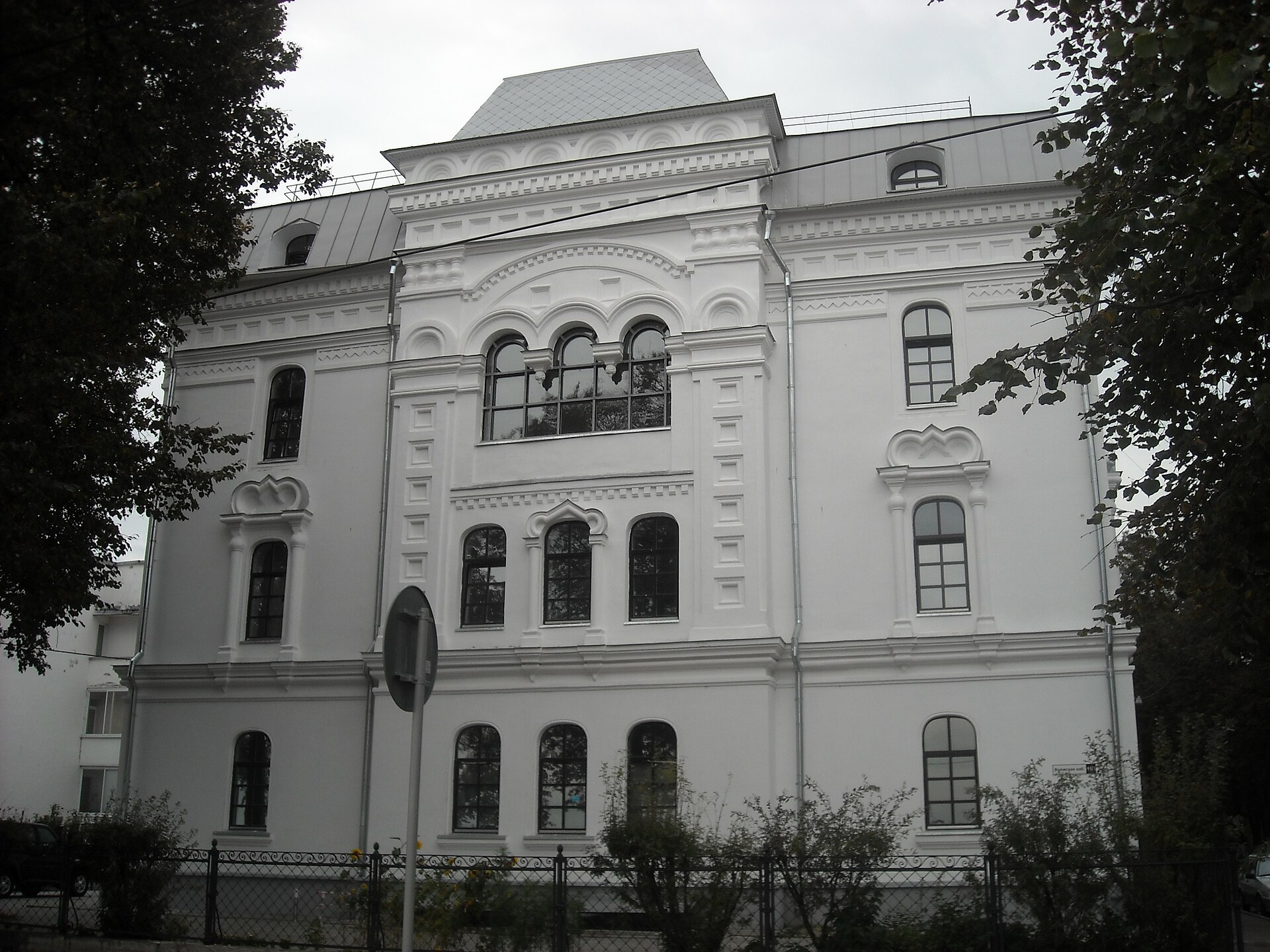
Walking here feels like moving through an open-air museum. The architecture ranges from neoclassical symmetry to Art Nouveau details. The former Vakhrameev mansion has carvings, bay windows, and turret-like towers. Nearby, the Melentyev house features wrought-iron balconies. Further along, the old city duma building now holds a museum on Yaroslavl’s history. Each structure has its own style, but together they show a city that has aged well, where the past isn’t locked away but part of everyday life.
The river defines the embankment. The Volga here is wide, its waters reflecting the sky and the forests on the far shore. In summer, sightseeing boats pass by; in winter, icebreakers cut through the frozen surface. Viewing platforms offer the best spots to watch the sunset, when the water turns gold and the city lights appear. The river doesn’t just frame the view—it sets the mood.
Statues along the embankment mark key moments in the city’s past. At the start stands Yaroslav the Wise, the prince who founded Yaroslavl in the 11th century. He holds a model of the city. Further on, a statue honors Fyodor Volkov, the actor who started Russia’s first professional theater here in the 18th century. These figures connect the present to those who shaped the city.
The embankment is where the city’s daily life unfolds. Festivals, concerts, and fairs take over its paths year-round. In summer, open-air stages host musicians; in winter, ice skating and holiday markets appear. On a quiet weekday, you might rent a bike, find a bench with a book, or just watch the river. The embankment adapts to the rhythms of the city, offering something different each season.
What stands out is how the embankment balances liveliness and calm. It’s popular but never feels overcrowded. The pace is slower, set by the river rather than the rush of modern life. Locals come for the quiet beauty; visitors are drawn to a glimpse of old Russia. Historic mansions, cafes, and the river create a place that feels timeless, where different eras coexist.
The embankment changes with the seasons. Summer brings greenery and long evenings. Autumn wraps the trees in gold. Winter covers the scene in snow, the river steaming in the cold. Spring brings meltwater, a reminder of the Volga’s power. No matter the season, the embankment remains a constant—a place where the city’s history, its people, and the river come together. It’s the kind of place you leave knowing you’ll return, not just to see it again, but to feel it.