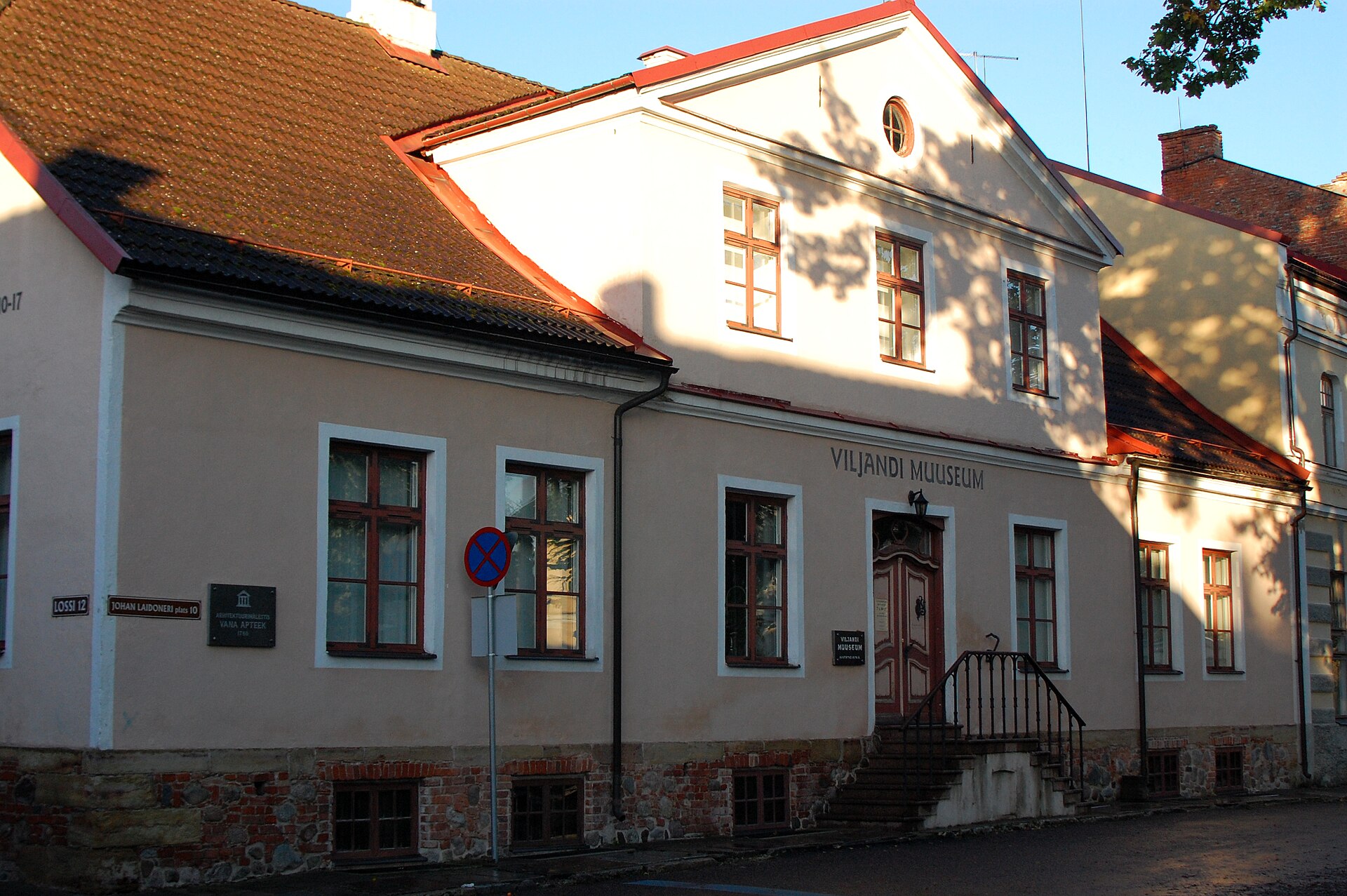
Viljandi Museum isn’t just a place where artifacts gather dust—it’s where the story of a small Estonian town unfolds in quiet, unexpected ways. Housed in a late 19th-century merchant’s home, the building itself is part of the narrative. Its architecture blends Baltic traditions with European influences, evident in the high ceilings, sturdy wooden staircases, and large windows that let in soft, diffused light. The space feels lived-in, as if the past hasn’t quite faded, and stepping inside is like slowing down to match the unhurried rhythm of the town.
The museum weaves together different threads of Viljandi’s history, starting with archaeological finds that hint at the region’s ancient roots. There are traces of medieval life, too, when the town was a bustling hub of the Hanseatic League, connecting merchants and travelers across Northern Europe. But what makes the collection truly special is its focus on the everyday—handwoven textiles, traditional clothing, and household tools that belonged to the people who called this place home. Many of these items were donated by local families, giving the exhibits a personal touch that feels more like a shared memory than a curated display.
Music has always been at the heart of Viljandi, and the museum pays tribute to that legacy in a dedicated section. The town is known for its festivals, and here you’ll find posters, photographs, and instruments that tell the story of performances past. Among the most striking pieces are the old *kantele*, a traditional Estonian string instrument, their worn wood and delicate strings evoking the sound of village celebrations. For many visitors, this is where the town’s reputation as Estonia’s musical capital starts to make sense—not through grand declarations, but through the quiet evidence of a deep-rooted cultural tradition.
The museum also bridges past and present through its contemporary exhibits, showcasing the work of local artists and craftspeople. Ceramics, textiles, and woodwork reflect the skills that have been passed down through generations, while also evolving with modern influences. Visitors can even try their hand at traditional techniques during workshops, a reminder that these crafts aren’t relics but living practices. In a time when handmade goods are often overshadowed by mass production, the museum offers a space to appreciate the care and creativity that go into each piece.
Nature is another key part of Viljandi’s identity, and the museum explores this connection with the same attention to detail. The surrounding lakes, forests, and wetlands have shaped life here for centuries, and the exhibits highlight both the region’s biodiversity and the ways people have interacted with it. Tools for fishing and hunting, along with displays on berry and mushroom foraging, reveal how deeply these traditions are woven into local culture. It’s a reminder that the land isn’t just a backdrop to history—it’s an active participant in the story.
Beyond static displays, the museum is a place of movement and conversation. Lectures, concerts, and small theatrical performances bring the space to life, while summer walking tours offer a chance to see the town’s history in context. A stroll through the old town or a visit to the ruins of the medieval castle nearby can make the past feel tangible, as if the stories in the museum have spilled out into the streets. These experiences turn a visit into something more than just looking at objects—they invite you to step into the narrative.
For first-time visitors, the museum is an ideal starting point, offering a sense of Viljandi’s character before you’ve even explored the rest of the town. It’s a place where traditions come into focus, where the layers of history feel accessible rather than distant. For locals, it’s a way to reconnect with their roots, to remember the people and moments that shaped the town, and to pass that understanding on. There’s no attempt to be grand or exhaustive—just a quiet commitment to telling the stories that matter most to this place.
What makes Viljandi Museum stand out isn’t its size or its ambition, but its authenticity. It doesn’t try to be everything to everyone; instead, it zeroes in on what makes this town unique. There’s no pretension here, just a genuine effort to preserve and share the essence of Viljandi. If you find yourself in the town, a visit to the museum might not be the most obvious choice, but it’s often the one that lingers—the place where you begin to understand what makes this corner of Estonia feel like home.