Pioneer Lake’s Monzhene Estate is one of those rare places where time seems to have paused, leaving behind the quiet dignity of another era. Perched on a gentle hill overlooking the Baltic Sea, it stands apart from the usual tourist routes, untouched by crowds and commotion. The only sounds here are the rhythmic crash of waves against the shore and the whisper of wind through the trees. The estate’s presence feels almost timeless, as if the hours pass more slowly here, measured not by clocks but by the changing light on the water.
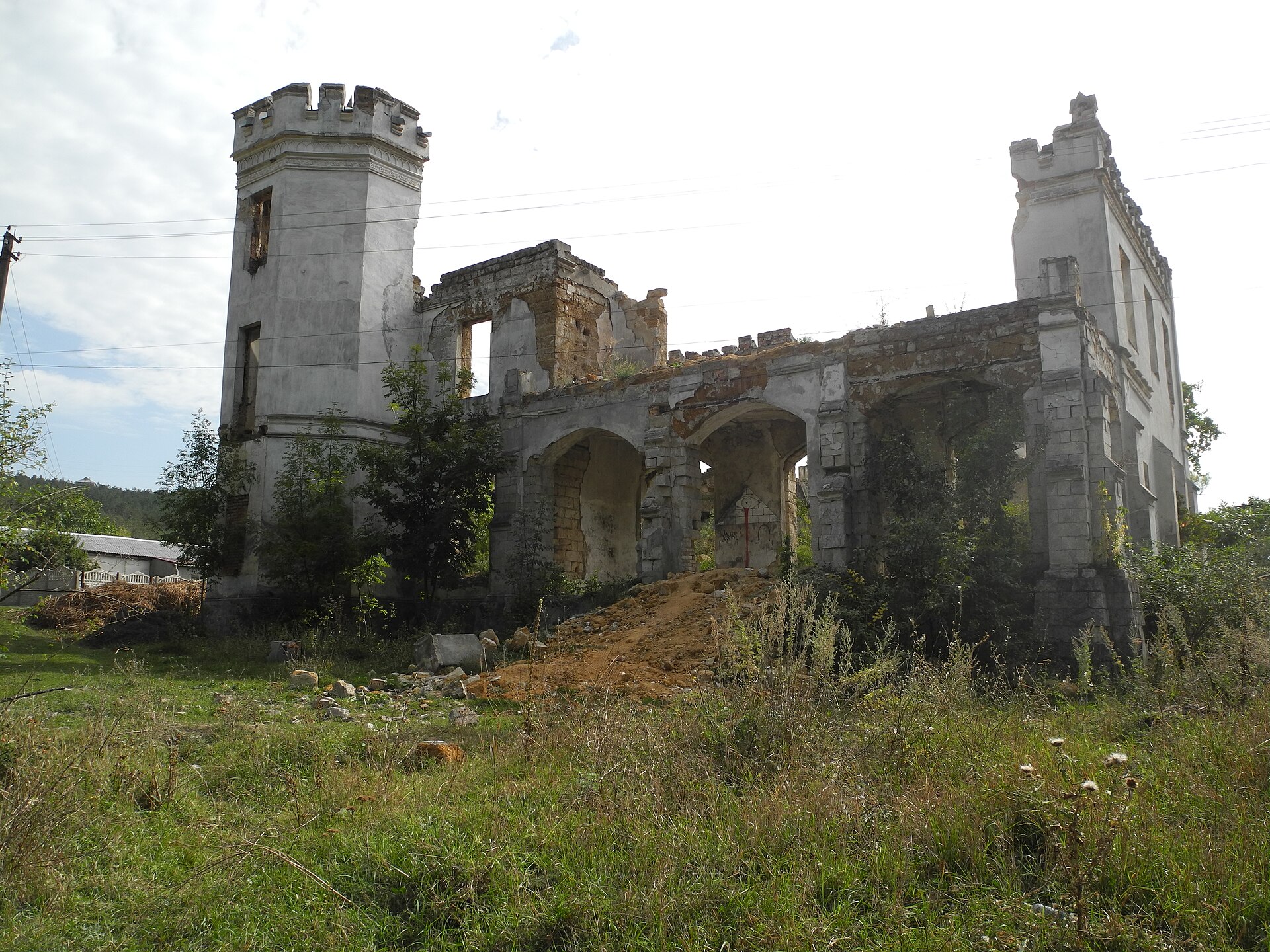
The story of Monzhene begins in the late 19th century, when these lands were owned by Charles Monzhene, a French engineer invited to Russia by Emperor Alexander III to work on the country’s expanding railway network. Rather than merely passing through, Monzhene chose to settle in Pioneer Lake, building an estate that reflected his roots. The architecture blends French Renaissance elegance with a sense of solidity—tall, arched windows, intricate stucco details, and a steep mansard roof crowned with small turrets. Despite its size, the building feels light, almost weightless, as if defying the heaviness of its stone walls.
The estate’s fate changed dramatically after the revolution. Nationalized and repurposed, it became first a sanatorium, then a rest home for Soviet workers. Over the decades, the building underwent modifications, but its core character remained intact. Today, Monzhene bears the marks of time—cracked plaster, weathered wooden frames, and faded facades—but these imperfections only deepen its charm. Each scar tells a story, a silent testament to the lives that have passed through its rooms.
Surrounding the estate is a park that was once meticulously designed, though now it wears its age with quiet grace. Overgrown paths wind beneath ancient linden and oak trees, their branches forming a canopy overhead. A small pond, still dotted with water lilies in summer, reflects the shifting seasons. In autumn, golden leaves crunch underfoot, while winter transforms the estate into something out of a fairy tale, its bare branches dusted with frost. Even in its slightly unkempt state, the park feels alive, as if nature itself is preserving the memory of what once was.
Monzhene is not a museum, and access to its interior is rare. The building remains under the care of local authorities, and visitors are usually limited to admiring it from the outside. Yet even from a distance, the estate leaves a lasting impression. Its sea-facing facades seem to hold the echoes of the past—of conversations in French and Russian, of laughter in the grand halls, of quiet mornings spent watching the sunrise over the water. Occasionally, a light flickers in one of the upper windows, and for a moment, it feels as though the spirit of old Europe still lingers here.
For most locals, Monzhene is simply part of the landscape, a familiar landmark on the shore of the bay. Few know its full history, but there’s a quiet respect for the building, as if its presence adds something intangible to the place. Those who do seek it out—history enthusiasts or travelers drawn to the lesser-known corners of the Kaliningrad region—come not for guided tours or informational plaques, but for the chance to stand in silence and feel the weight of time.
Pioneer Lake itself is a small, unhurried resort village where life moves at its own pace. In summer, visitors arrive to swim in the sea and breathe the salt-tinged air, while winters are quiet, with only the occasional sound of footsteps on snow-covered paths. Monzhene fits perfectly into this rhythm. It doesn’t demand attention, yet it’s impossible to ignore. The estate gives the village a sense of depth, a connection to something larger than itself.
If the opportunity ever arises to step inside, it’s worth taking. The interior still holds traces of its former grandeur—ornate ceiling moldings, marble fireplaces, and dark wooden paneling. These details hint at the life that once filled the rooms: gatherings in the grand hall, music drifting through the corridors, the clink of glasses at evening receptions. Now, the estate feels suspended in time, waiting, though no one knows for what.
More than just a building, Monzhene is a piece of the region’s cultural heritage, a reminder of how closely the histories of different nations have intertwined here. A French engineer, a Russian emperor, Soviet workers—each left their mark on this place. Today, it may appear forgotten, but its significance hasn’t faded. Perhaps one day, Monzhene will find a new purpose, but for now, it remains a quiet witness to the past, holding its secrets close.