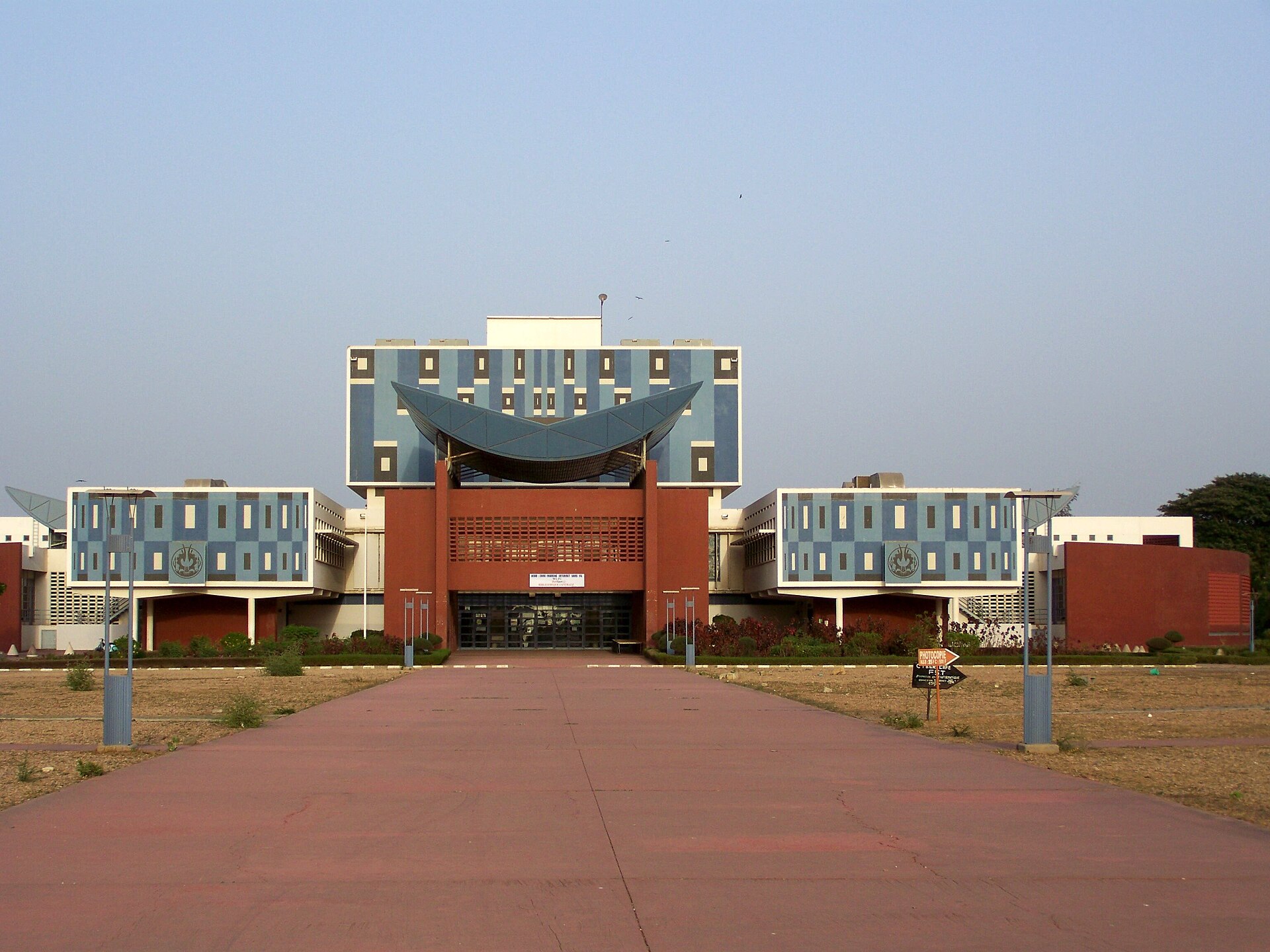
The Cheikh Anta Diop University campus in Kwakam isn’t just another place of learning—it’s one of Senegal’s most vital intellectual hubs, where history, scholarship, and daily life merge effortlessly. Unlike the rigid, geometric layouts of Western university campuses, this one unfolds organically, its buildings nestled among lush greenery. Between lectures, students stroll along shaded pathways, debating ideas or reviewing notes under the sprawling branches of ancient trees. The atmosphere is unhurried, yet charged with the quiet energy of young minds at work.
The university bears the name of Cheikh Anta Diop, a towering figure in Senegalese history—a historian, anthropologist, and physicist whose groundbreaking research on Africa’s ancient civilizations and its place in world history remains foundational. His legacy isn’t just honored here; it’s woven into the fabric of the institution. Classrooms buzz with discussions on decolonizing knowledge, African identity, and the continent’s future. Yet the university isn’t insular. It draws students from across Africa and beyond, making it a vibrant crossroads of cultures and perspectives.
The architecture of the Kwakam campus reflects the era of its construction, the 1960s and 70s, when Senegal had just gained independence. The buildings are low-slung, designed for the tropical climate, with wide windows and spacious verandas that invite the outside in. Many facades feature mosaics or reliefs depicting scenes from African history—from Saharan rock art to symbols of liberation struggles. Inside, the classrooms are simple but purposeful: wooden desks, chalkboards, and the occasional vintage map, a reminder that education here is as much about questioning as it is about absorbing.
Life on campus extends far beyond the classroom. Evenings often bring student-led events—concerts by local bands, poetry readings, or spirited debates. On weekends, the open spaces transform into impromptu gathering spots: groups playing soccer on dusty pitches, clusters of students sharing street food from makeshift stalls. There’s an ease to the rhythm here, a sense that everyone—from the wide-eyed freshman fresh from a rural village to the seasoned professor—belongs.
For many students, especially those from underserved regions or neighboring countries, this university represents more than an education; it’s a lifeline. Future doctors, engineers, and teachers pass through its halls, later dispersing across Africa with the knowledge and ideas they’ve gained. Despite its academic prestige, the university remains accessible, with low tuition fees and scholarships for promising students. It’s not an ivory tower but a catalyst for social change, offering opportunities where few might otherwise exist.
Yet the campus isn’t isolated from the world around it. There’s none of the artificial separation sometimes found in Western universities. Students engage actively with their surroundings, organizing volunteer projects, tutoring in local schools, or leading public awareness campaigns. Over time, a small student quarter has sprung up nearby, dotted with cafés, bookshops, and workshops where you can pick up supplies or linger over a cup of strong Senegalese coffee.
The university’s story is deeply intertwined with that of Senegal itself. Founded in 1957 as a branch of the University of Dakar, it became an independent institution after the country gained independence in 1960. In 1987, it was renamed in honor of Cheikh Anta Diop, a fitting tribute to a scholar who reshaped how Africa sees its own history. Today, it continues to shape the continent’s intellectual future while staying rooted in Senegalese culture and traditions.
To an outsider, the campus might seem a little chaotic at first—there’s no clear boundary between the university and the city. But that’s part of its charm. Here, the lines between learning and living, theory and practice, past and future blur. Cheikh Anta Diop University in Kwakam isn’t just a place where knowledge is passed down; it’s where it’s lived, breathed, and constantly reimagined by those who walk its paths.