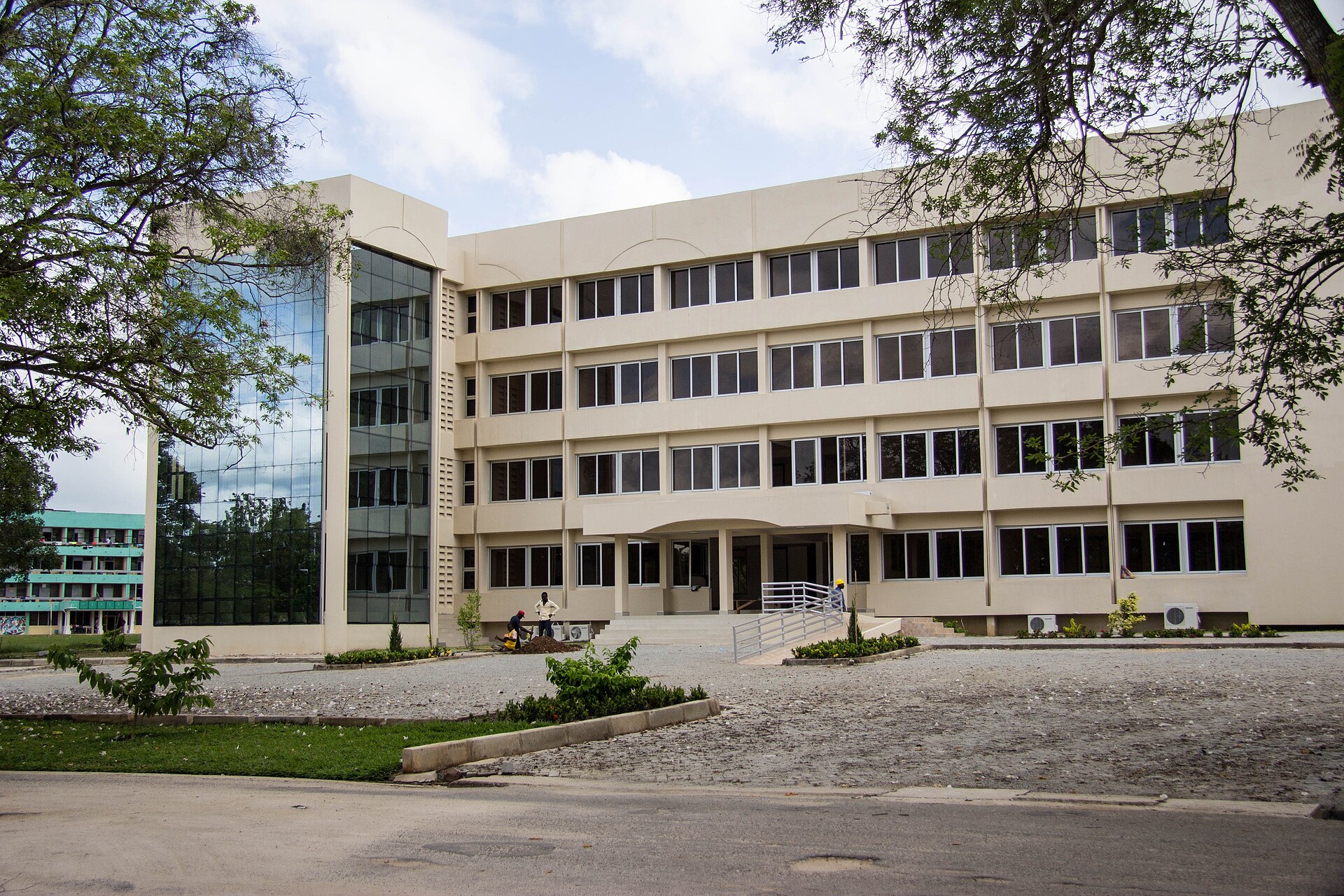
Winneba is a quiet coastal town where life moves at its own unhurried pace, and the University of Education, Winneba, fits naturally into this rhythm. It’s not the kind of place that draws crowds or makes it onto glossy travel brochures, but for those who take the time to explore it, the university offers a different perspective on Ghana—one shaped by learning, community, and the quiet energy of daily life.
Founded in 1992 as a teacher training college, the university was established to address a critical need in Ghana’s education system. Over the years, it expanded into a full-fledged university while maintaining its focus on pedagogy and educational development. Today, its student body includes not only Ghanaians but also young people from across Africa and beyond, all drawn to its reputation for practical, hands-on learning. The campus sprawls across a generous plot of land, where modern lecture halls stand alongside older buildings that hint at the town’s past as a sleepy provincial outpost.
The architecture here is unassuming, designed more for function than grandeur. There are no soaring arches or ornate facades, just straightforward, well-built structures that serve their purpose—classrooms, libraries, and laboratories where students spend their days. The central square is the heart of the campus, a gathering place for everything from academic events to impromptu concerts and student meetings. It’s where the university’s life unfolds in its most visible form, a space that feels both formal and relaxed, depending on the day.
Winneba itself is a town that resists haste. The university mirrors this, with students and faculty often walking or cycling between buildings, the pace of life dictated by the heat and the shade of the trees that dot the campus. In the afternoons, when the sun is at its strongest, the greenery offers a welcome respite, and by evening, the paths fill with groups of students chatting, debating, or simply enjoying the cooler air. There’s a sense of community here that’s hard to find in larger cities, where anonymity often takes over.
Beyond its academic role, the university is a cultural hub for the region. It hosts conferences, workshops, and festivals that draw participants from across Ghana, but its most anticipated event is the annual arts festival. For a few days each year, the campus transforms into a showcase of creativity, with students and faculty presenting everything from paintings and sculptures to music and theater. For many in Winneba, the university isn’t just a place of learning—it’s a space where ideas are shared, traditions are celebrated, and new voices find an audience.
What makes the university particularly interesting is how deeply it’s woven into the fabric of local life. Students regularly take part in community projects, whether teaching in rural schools or volunteering with local organizations. Faculty members collaborate with nearby institutions, bridging the gap between academia and the everyday challenges of education in Ghana. This connection gives the university a sense of purpose that extends beyond its walls, turning it into a place where learning isn’t just theoretical but actively shapes the world around it.
Visitors are welcome to explore the campus, though there’s no grand tour or visitor center to guide them. If you arrive with respect and curiosity, you might wander through the library, stroll along the shaded paths, or strike up a conversation with students. Many are happy to share their experiences, whether it’s about life in Winneba, their studies, or their perspectives on Ghana. The key is to approach the university without expectations—it’s not a museum or a tourist attraction, but a living, breathing institution where the daily work of education unfolds in real time.
For most travelers, Winneba remains off the beaten path, and the university is no exception. There are no souvenir stands or guided tours here, just the quiet hum of a place where people come to learn, teach, and grow. It’s a reminder that Ghana’s story isn’t just told through its beaches, wildlife, or historic landmarks, but also through the institutions that shape its future. If you ever find yourself in this part of the country, the university offers a chance to see a different side of life—one where knowledge, community, and quiet determination take center stage.