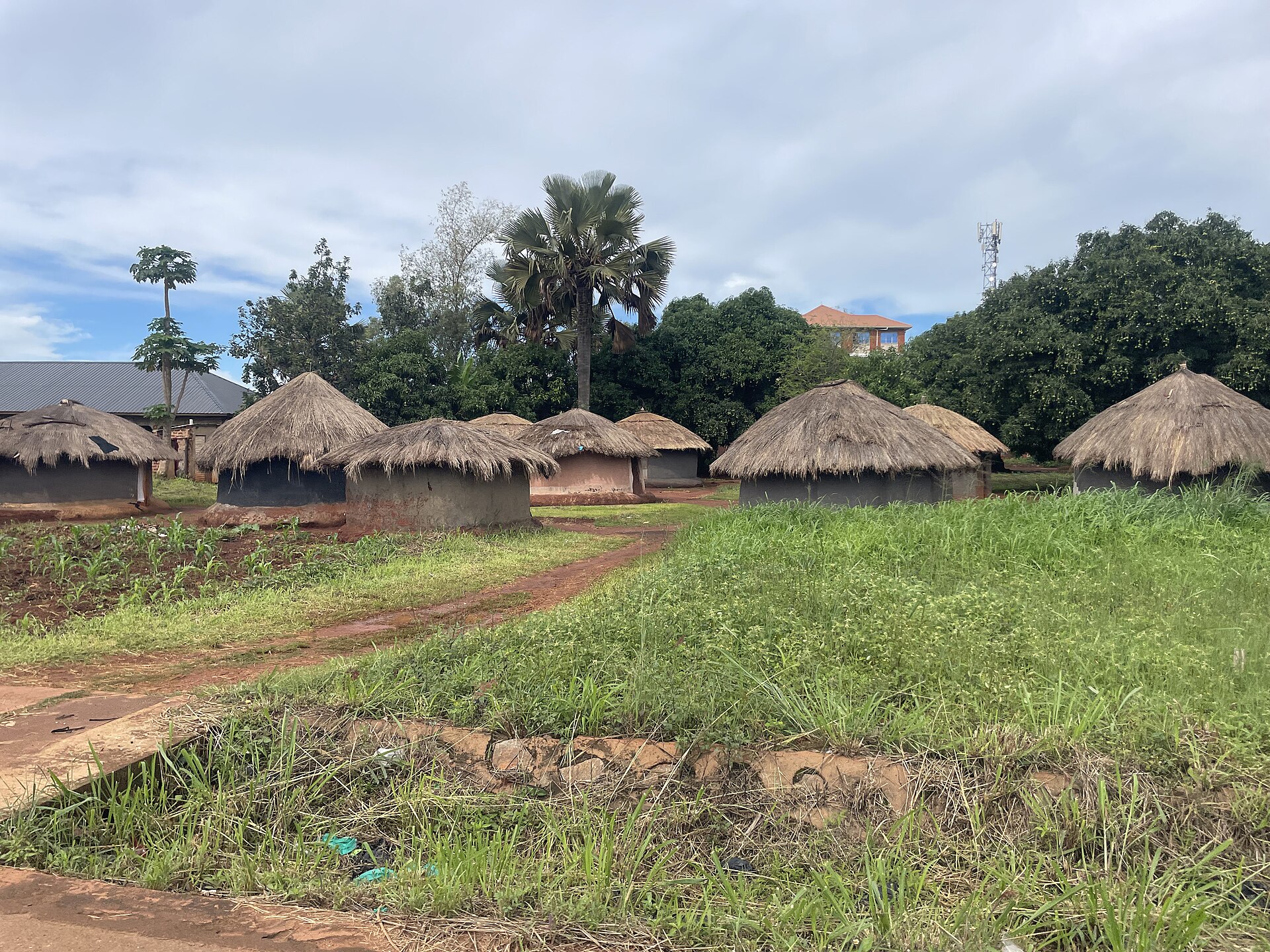
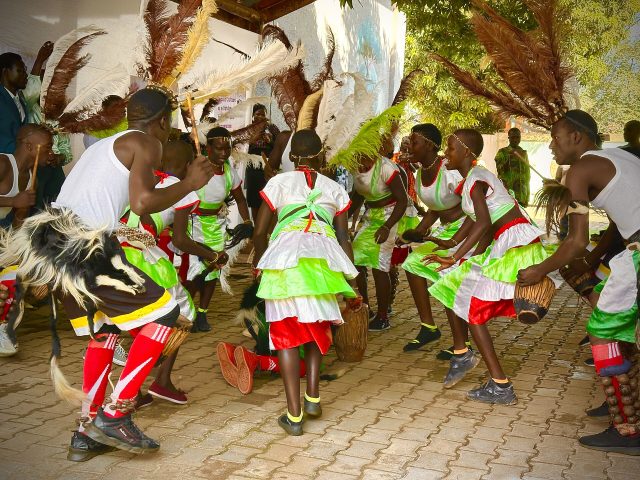
Gulu is a city that rarely makes it onto the tourist trail. Tucked away in northern Uganda, far from the capital, it moves to its own rhythm, shaped by history and resilience. At its heart stands Gulu University, a place that embodies both the challenges and the quiet determination of this region. It’s not just a campus; it’s a cornerstone of recovery, education, and hope for a part of the country that has seen more than its share of hardship.
The idea for the university took root during a difficult time. Northern Uganda spent years caught in the crosscurrents of civil conflict, and Gulu bore the weight of that struggle. Yet even as the region grappled with instability, there was a growing recognition that education could be a path forward. In the early 2000s, the university opened its doors, offering more than just degrees—it became a symbol of what the north could rebuild, one student at a time.
The campus itself is unassuming, designed with purpose rather than grandeur. The buildings are functional, with wide corridors, high ceilings, and large windows that let in plenty of light. There’s no excess here, just a focus on what matters: creating a space where learning can thrive. The grounds are dotted with trees and open courtyards, places where students gather between classes or sit with a book under the shade. It’s a setting that feels both practical and peaceful, a reflection of the university’s role in the community.
Gulu University specializes in fields that directly address the needs of the region. Agriculture is a natural focus—northern Uganda is a land of farmers, and the university works closely with local communities to improve crop yields, test new seed varieties, and find sustainable ways to protect harvests from pests and drought. Medicine is another key area, training doctors who often stay to work in the understaffed hospitals of the north. Then there are the social sciences, which equip students with the tools to tackle the complex issues facing their communities, from poverty to post-conflict reconciliation.
The connection between the university and the surrounding area runs deep. Students don’t just study in isolation; they engage with the realities of life in Gulu. Agriculture students spend time on local farms, collaborating with farmers to implement new techniques. Medical students gain hands-on experience in nearby clinics, often returning after graduation to fill critical gaps in healthcare. Even the social sciences programs emphasize practical solutions, with students involved in community projects, from adult literacy programs to workshops on conflict resolution.
Life on campus is quiet, shaped by the rhythms of a small city rather than the bustle of a major academic hub. There are no raucous parties or crowded student hangouts, but there is a strong sense of community. Many students live in dormitories on campus or rent rooms in town, blurring the line between university life and the daily existence of Gulu’s residents. The university isn’t an ivory tower; it’s woven into the fabric of the city. Students volunteer in local schools, assist in hospitals, and organize public lectures, reinforcing the idea that education should serve the people around it.
The university’s reach extends beyond Uganda’s borders. Through partnerships with institutions in Europe, the Americas, and other parts of Africa, it hosts exchange programs for both students and faculty. These exchanges bring fresh perspectives to Gulu, while also giving visitors a chance to see a side of Uganda that most tourists never encounter. For many outsiders, the experience is eye-opening—a reminder that progress isn’t measured by grand gestures, but by the steady, often unseen work of building something better.
For the families of northern Uganda, Gulu University represents more than just an education. It’s a lifeline, a way to break cycles of poverty and instability. The degrees it offers aren’t abstract; they’re tied to real needs—doctors for rural clinics, agronomists for struggling farms, social workers for communities still healing from conflict. The university doesn’t just teach; it invests in the future of the region, one graduate at a time.
If you ever find yourself in Gulu, the university is worth a visit—not because it’s a tourist attraction, but because it offers a glimpse into the soul of northern Uganda. This is a place where education isn’t just about personal advancement; it’s about rebuilding, about turning the page on a difficult past and writing a new chapter. It’s a reminder that even in the most unlikely places, change is possible. And sometimes, that change starts with something as simple as a classroom, a book, and the quiet determination of those who believe in what comes next.