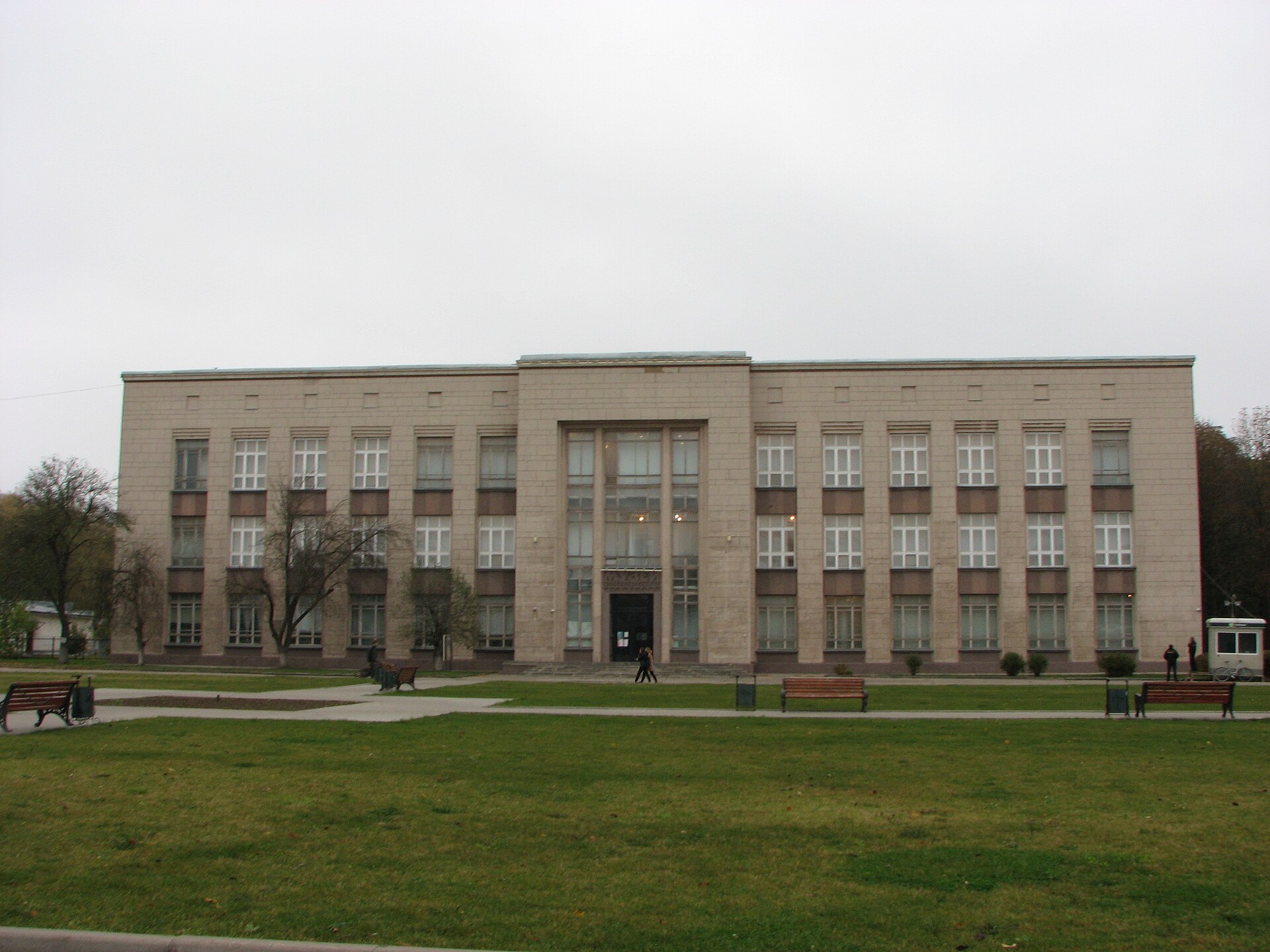
Tula’s State Museum of Fine Arts is the kind of place that doesn’t announce itself with grand gestures. Tucked away in the city center, it occupies a building that carries its own quiet history—a late 19th-century mansion once owned by Ivan Liventsev, a merchant and patron of the arts. The architecture reflects the eclectic tastes of its time: high ceilings adorned with intricate moldings, large windows that soften the daylight, and spacious halls where the art seems to breathe alongside visitors. When the building was repurposed as a museum during the Soviet era, it became more than just a home for paintings—it became a repository of changing tastes, ideas, and notions of beauty across generations.
The museum’s collection isn’t as vast or as famous as those in the Tretyakov Gallery or the Hermitage, and that’s part of its charm. There are no crowds jostling for a glimpse of iconic masterpieces, just the quiet opportunity to engage with Russian art from the 18th to the 20th centuries. The galleries feature portraits, landscapes, and genre scenes—works that once adorned the homes of nobles and merchants, now offering glimpses into the lives of past eras. A particular strength of the museum is its collection of works by local Tula artists, whose paintings span decades and reveal how the city, its people, and its surroundings have evolved. Each brushstroke feels like a fragment of a story waiting to be uncovered.
Among the highlights are pieces by well-known names that feel unexpectedly intimate here. Ivan Aivazovsky’s seascapes, for instance, take on a dreamlike quality in a city so far from the coast, their waves almost surreal against the landlocked backdrop. Ivan Shishkin’s forests and fields are rendered with such meticulous detail that you can almost hear the rustle of leaves. The museum also holds works by the Peredvizhniki, the Wanderers, whose socially conscious paintings once shocked and moved audiences with their raw depictions of peasant life, urban scenes, and portraits of people whose faces bear the marks of time. Together, these pieces don’t just hang on the walls—they open a window into the past, revealing how people lived, thought, and felt centuries ago.
Beyond paintings, the museum’s holdings include sculptures, graphic works, and decorative arts, with a special emphasis on the craftsmanship that made Tula famous. The city’s legacy as a center of metalwork is evident in the samovars, weapons, and jewelry on display—objects that were once part of everyday life but are now elevated to art. These pieces tell a different kind of story, one about how skill and creativity shaped daily existence, how traditions evolved, and how art and utility often intertwined. They remind visitors that beauty isn’t confined to canvases; it can be found in the things people made, used, and cherished.
What makes the museum truly special, though, is its atmosphere. There’s no rush here, no pressure to move quickly from one piece to the next. The halls are airy and well-lit, inviting visitors to linger, to lose themselves in the art without the distraction of crowds. The quiet creak of floorboards, the murmur of voices discussing a painting, the way the light filters through the windows—it all creates a sense of intimacy, as if you’ve stepped into someone’s private collection rather than a public institution. That’s why people return, not just for the exhibitions but for the chance to exist, even briefly, in a space where art and history feel like living things.
The museum isn’t static. Temporary exhibitions bring fresh perspectives, introducing contemporary artists, rare loans from other institutions, or thematic displays that explore specific eras or events. These shows often reframe familiar works, revealing new layers of meaning and reminding visitors that art isn’t a fixed narrative but an ongoing conversation. They keep the museum dynamic, ensuring that even repeat visitors will find something unexpected.
For those looking to understand Tula beyond its surface, the museum is an essential stop. It doesn’t just showcase art—it connects it to the city’s culture, history, and people. The paintings and objects here trace Tula’s transformation from a provincial town to an industrial hub while preserving its unique character. The museum acts as a kind of visual chronicle, capturing how the city’s residents saw the world, what they valued, and what they left behind. In that sense, it’s more than a collection of art; it’s a record of Tula itself, told through color, form, and silence.
A visit to the museum also offers a chance to explore the city around it. After wandering the galleries, it’s pleasant to step outside and stroll through Tula’s historic center, where the pace of life is unhurried. The streets are lined with small cafés, shops selling local crafts, and buildings that whisper of the past. The museum fits seamlessly into this rhythm—it doesn’t demand anything from visitors except curiosity. And when you leave, the world outside feels a little different, as if the art has subtly shifted your perspective, making everything seem a little more vivid.