
Tula, Russia
Russia · 16 places
Photo: A.Savin, FAL
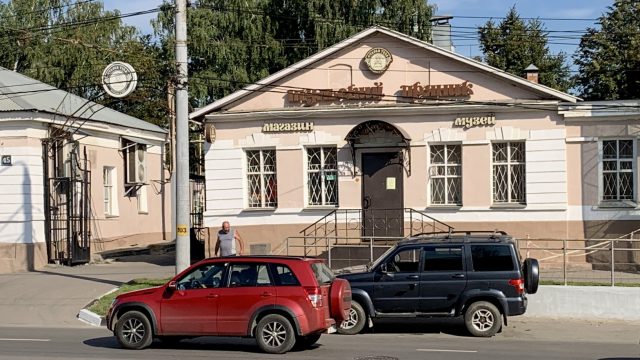
Tula is one of those Russian cities that doesn’t demand attention but quietly earns it. Along the banks of the Upa River in central Russia, it moves at its own unhurried pace, far from the rush of Moscow or St. Petersburg. There’s no skyline of glass towers here, no crowds of tourists. Instead, Tula exists as it always has—solid, a little old-fashioned, with streets lined with merchant houses that have stood for centuries, their facades worn smooth by time, while the occasional factory chimney reminds you of the labor that built this city.
For generations, Tula has been Russia’s arms-making capital. The Tula Arms Plant, founded under Peter the Great, has supplied the country’s military with weapons for over three hundred years. Its museum holds a collection tracing the evolution of Russian weaponry from flintlocks to modern firearms. Beyond steel and gunpowder, Tula is the birthplace of the samovar, with workshops where artisans shape copper and brass into tea urns using traditional methods. The city is also known for tulskie pryaniki—gingerbreads baked according to centuries-old recipes, their spiced sweetness preserved through time.
Literature runs deep in Tula’s veins. The city has been a stopping point for writers like Tolstoy, Turgenev, and Chekhov. Yasnaya Polyana, Tolstoy’s estate, draws visitors most. Walking through its park, stepping into the house where War and Peace was written, or standing in the quiet fields beyond, you feel time moving differently here. Tula itself feels like a place from a 19th-century novel—noble estates with peeling paint, wooden houses with lace curtains, cobblestone streets echoing with the past. The city doesn’t just remember its history; it lives alongside it.
Tula is a place of contrasts. An industrial hub with factory smokestacks, it’s also a retreat from modern noise. In summer, the Upa River embankment is a favorite for strolls; in winter, the surrounding forests offer quiet skiing trails. The city has theaters, museums, and concert halls, yet retains its provincial warmth. The locals are hospitable, eager to share stories, point out local spots, or pour tea from a Tula samovar. There’s no rush here—just the invitation to slow down and let the rhythm of Russian life settle over you.
See & Do
15 places






Places on the map
Marker colour follows the categoryClimate and weather
Detailed weather: Tula, Russia- Average temperature
- 7 °C
- Precipitation per year
- 715 mm
Average air temperature
°C
-6
-5
0
8
12
18
20
19
13
7
0
-4
Jan
Feb
Mar
Apr
May
Jun
Jul
Aug
Sep
Oct
Nov
Dec


