Tucked along the banks of the Oulu River, the Holy Trinity Cathedral is a quiet place that doesn’t demand attention but reveals its depth to those who pause. Built in the mid-18th century, the cathedral has stood through the city’s transformations, its silhouette a constant presence in a town that grew from a small trading post into a modern urban center. There’s nothing imposing about it—no grand facades or towering spires—but that simplicity makes it feel like a living piece of history, one that has witnessed life in northern Finland for nearly three hundred years.
The architecture reflects the practical spirit of Lutheran churches of the time. Whitewashed walls, tall narrow windows, and a slender bell tower give it a clean look, blending with the surrounding buildings. Inside, the space is understated: light wood pews, pale walls, and minimal ornamentation. There are no gilded icons or elaborate frescoes, just an atmosphere of quiet reverence. The lack of extravagance invites visitors to sit and reflect.
Oulu’s history is woven into the cathedral’s story. Founded in the 17th century, the city became a key trading hub, connecting Russia and Europe through its port. The cathedral was built to serve the growing community during a period of economic prosperity. Yet its journey hasn’t been smooth. Fires, wars, and reconstructions have all left their mark. The most devastating blow came during World War II, when Oulu endured heavy bombing. The cathedral survived, though much of the surrounding area was destroyed. Its restoration became a symbol of the city’s resilience.
The cathedral remains an active place of worship, hosting services, concerts, and community gatherings. Historians and visitors often stop by to explore its past. Inside, you’ll find old church records, artifacts from parish life, and small exhibits that show Oulu’s evolution over the centuries. Visit during major holidays, like Christmas or Easter, when candlelight and hymns fill the space with warmth.
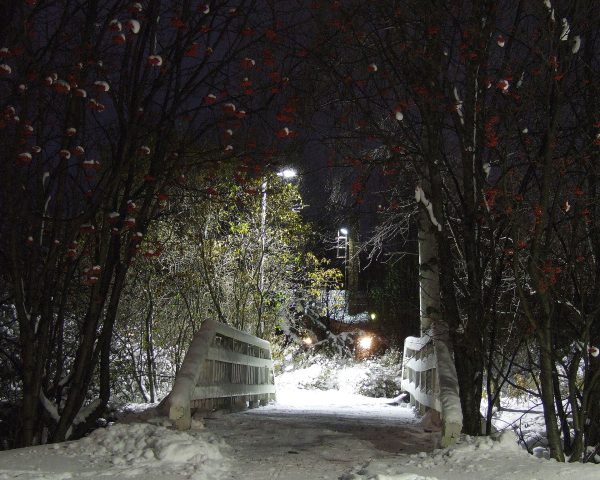
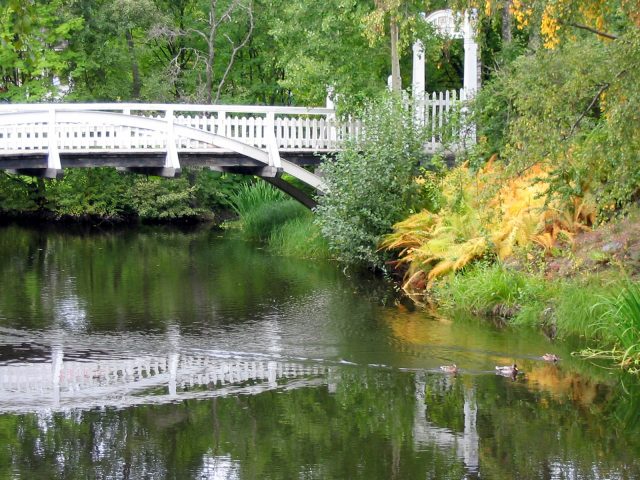
The area around the cathedral is worth exploring. The Oulu River, once the city’s lifeline for trade, now draws people to its banks. In summer, the riverside has cafes and small shops; in winter, it becomes a snow-dusted landscape. The cathedral watches over it all, a quiet guardian of the city’s past. Even as Oulu modernizes, this stretch of riverbank retains its character.
For first-time visitors, the cathedral might not be the most obvious stop. Oulu has museums, parks, and contemporary attractions that draw bigger crowds. But it’s often the unassuming places that offer the most genuine connection to a city’s soul. Here, there are no tour groups rushing for photos, just the quiet hum of history and the occasional creak of wooden floorboards.
It’s a place where the past feels tangible. You can almost hear the echoes of sermons delivered centuries ago.
The Holy Trinity Cathedral doesn’t claim to be Oulu’s most iconic landmark. It exists as a quiet but essential part of the city’s fabric, anchoring the community’s identity. A visit won’t take long, but it leaves an impression—something subtle, like the lingering sense of peace after a moment of stillness. The cathedral stands as an invitation to slow down and appreciate things that endure.