Hupisaaret Park is one of those places in Oulu where people come not for landmarks or attractions, but for the quiet pleasure of simply being there. Tucked on a small island in the middle of the Oulujoki River, it’s connected to the city by a pedestrian bridge that sets the tone for the whole visit. In summer, families spread out picnic blankets on the grass, children run along the paths, and the long northern daylight makes the evenings feel endless. Winter transforms the island into a serene retreat, where the only sounds are the crunch of snow underfoot and the occasional call of a bird. There are no museums here, no grand monuments—just trees, water, and open space, the kind of simplicity that feels like a luxury in a city where summer is fleeting and the sun barely sets.
The island wasn’t always a public park. In the early 20th century, it was privately owned by a local family before the city acquired it. The name Hupisaaret translates to "Merry Island," though no one knows for sure where the name came from. Some say it was once a gathering spot for lively social circles; others suggest it refers to the island’s gentle, almost playful landscape—rolling hills, soft curves along the shoreline, and a sense of coziness despite the open surroundings. Today, the park feels as if it was shaped more by nature than by human hands, with only the lightest touch of design guiding its paths and clearings.
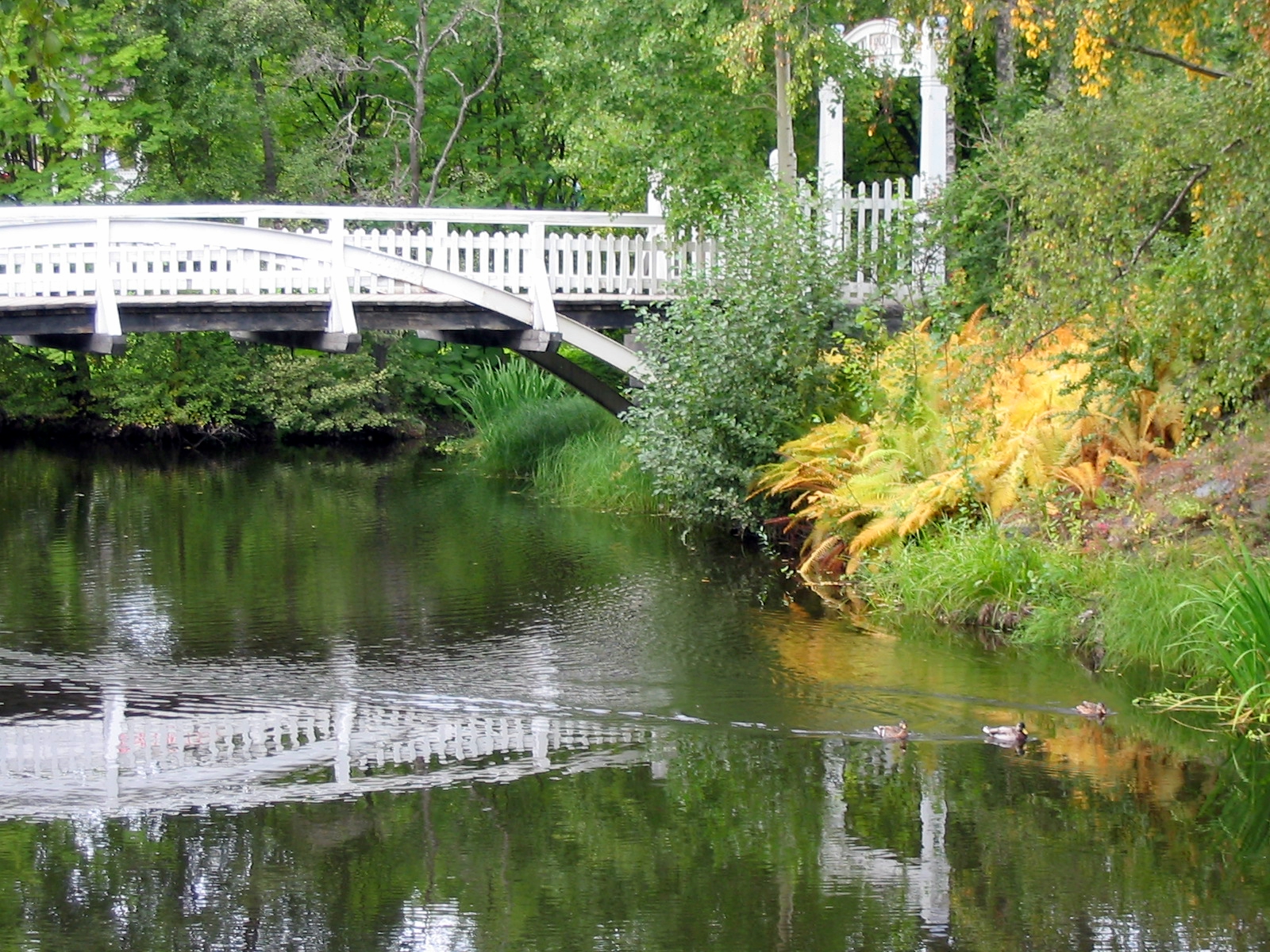
There’s no grand architecture here, but that doesn’t mean the island lacks character. The old wooden bridge leading to Hupisaaret is more than just a way to cross the river—it’s a piece of the city’s history. Built in the mid-20th century, it has been repaired over the years but still retains its original charm. Low to the water, with simple railings, the bridge gives the impression that the river flows right beneath your feet. In winter, when the water freezes and snow blankets the ice, the bridge becomes part of the landscape, blending into the quiet beauty of the season.
Summer brings the park to life in ways that go beyond human activity. Pines, birches, and willows grow along the island’s edges, while reeds line the riverbank, providing shelter for ducks and other waterfowl. Locals often come with binoculars to watch the birds, especially in spring when the ice melts and the island fills with the sounds of nesting season. The Oulujoki’s water is clean, though swimming isn’t common—the current is strong, and most people are content to sit by the shore, skipping stones or watching the sun dip below the horizon in those slow, golden evenings that last for hours.
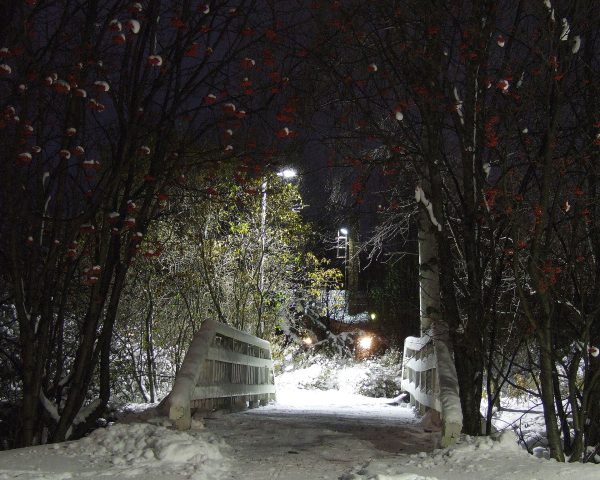
Winter turns Hupisaaret into a place for slow, thoughtful walks. Snow covers the ground from November to April, and the park becomes part of the vast white landscape that defines Finland in the colder months. Trees stand heavy with snow, paths are cleared but not paved, so the packed snow crunches underfoot. Occasionally, you’ll see skiers gliding across the island, though there are no official trails. On frosty mornings, mist rises from the river, making the island feel suspended in the air, cut off from the rest of the city by an invisible boundary.
While Hupisaaret isn’t a major tourist draw, it plays a quiet but important role in Oulu’s daily life. This is a place people come to for stillness, for a moment of solitude without having to leave the city. There are no cafes, no souvenir shops, no guided tours—just a few benches, some lampposts that flicker on as dusk falls, and the occasional small concert or festival in summer. Mostly, though, the park is for those who appreciate uncluttered spaces and the kind of natural beauty that doesn’t need embellishment.
Despite its understated nature, the park has woven itself into the city’s folklore. Locals share stories about lovers meeting here in the past, about children building forts in the undergrowth, or the time a moose and her calf wandered onto the island. Whether these tales are true or not hardly matters—they add to the park’s charm, making it feel like a place where time moves differently, at a slower, more deliberate pace than in the heart of the city.
For visitors, Hupisaaret might seem too ordinary, especially compared to the flashier attractions of other destinations. But that’s precisely what makes it special. It’s not a place to check off a list; it’s a reason to pause, to breathe, and to realize that sometimes the most meaningful part of travel isn’t seeing landmarks, but feeling the rhythm of a place. There are no crowds here, no rush, no pressure to do anything at all. You can sit on a bench, watch the river flow, and think about how little it takes to find a moment of peace.