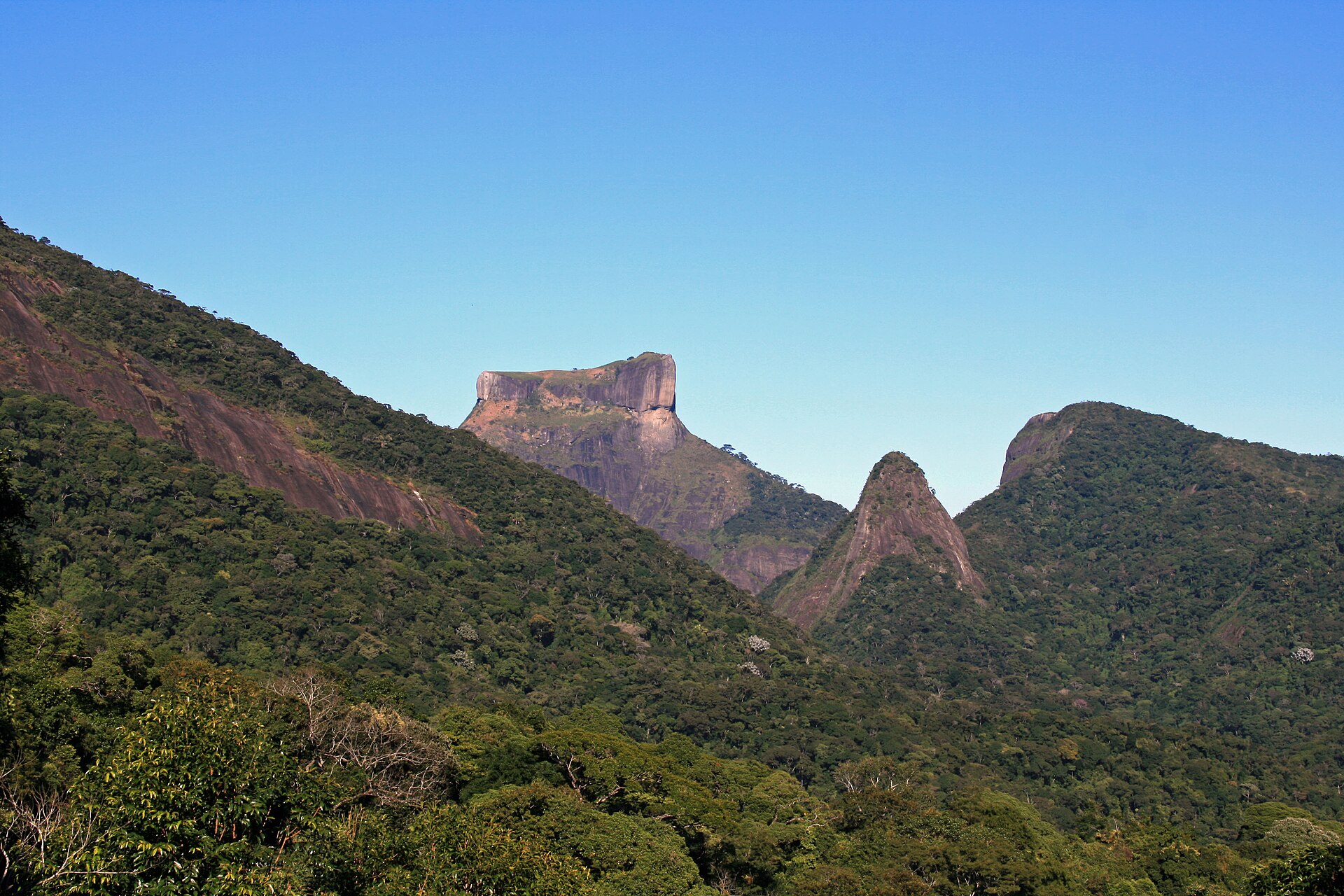
Tijuca is one of Rio de Janeiro’s best-kept secrets—a place where the city’s relentless energy dissolves into something quieter, wilder, and far more unexpected. Nestled in the northern part of the metropolis, it feels like a world apart, though it’s barely a stone’s throw from the urban sprawl. What makes Tijuca truly remarkable is its forest, a vast, tangled expanse of green that stretches over thirty square kilometers, making it the largest urban forest on the planet. Here, the air is cooler, the sounds of traffic fade into the background, and the only skyline you see is made of jagged peaks and dense canopy. It’s a rare kind of coexistence: nature thriving in the heart of a city that never stops moving.
The story of Tijuca is as much about human intervention as it is about nature reclaiming its space. In the 19th century, this land was the backbone of Brazil’s coffee boom, its fertile soil yielding crops that fueled the country’s economy. But by the late 1800s, decades of intensive farming had left the hills barren, the soil exhausted. Recognizing the ecological disaster unfolding, Emperor Pedro II ordered a massive reforestation effort in 1861. Over the years, millions of native trees were planted, transforming the scarred landscape into the lush forest that exists today. It’s a testament to what can happen when a city decides to heal rather than exploit.
Walking through Tijuca’s trails, you quickly realize this isn’t just a park—it’s a living, breathing ecosystem. Capuchin monkeys swing through the branches, toucans dart between the trees, and if you’re lucky (or unlucky, depending on your perspective), you might spot an ocelot slinking through the undergrowth. The forest is crisscrossed with paths ranging from gentle strolls to challenging climbs, each leading to a different kind of reward. Some trails end at cascading waterfalls, where the water is cool and the air hums with the sound of rushing streams. Others wind up to viewpoints like Pedra Bonita, where the city unfolds below in a dizzying panorama of ocean, mountains, and urban sprawl. And then there’s Corcovado, the iconic peak crowned by the Christ the Redeemer statue, its outstretched arms visible from nearly every corner of the forest.
Beyond the natural wonders, Tijuca holds fragments of its past in plain sight. The ruins of old coffee farms, their stone walls half-swallowed by vines, hint at the region’s agricultural heyday. Nearby, the Cascatinha Taunay waterfall tumbles over moss-covered rocks, its name a nod to the French painter who once captured its beauty. For those willing to venture deeper, there’s the Chup-Chup Cave, named for the eerie dripping sounds that echo through its chambers. These places feel like open-air museums, where history isn’t confined to plaques but woven into the landscape itself.
Tijuca isn’t just wilderness, though. The neighborhood surrounding the forest has a rhythm all its own, less polished than Rio’s tourist hubs but no less vibrant. Here, life moves at a different pace—locals sip *cafezinho* at corner bakeries, families gather in plazas, and the scent of *feijoada* drifts from open-air restaurants on weekends. The area lacks the glitz of Ipanema or the frenetic energy of Copacabana, which is precisely why it feels so authentic. There are no souvenir shops hawking plastic Christ statues or beach vendors pushing overpriced coconuts. Instead, you’ll find small markets selling fresh fruit, bars where samba plays low in the background, and streets where neighbors still greet each other by name.
For those who crave adventure, Tijuca delivers. Pedra da Gávea, one of Rio’s most imposing peaks, looms over the forest at 842 meters. The hike to its summit is grueling, a test of endurance that rewards climbers with views so vast they make the city below feel like a miniature. Less daunting but equally rewarding is the trail to Vista Chinesa, a pagoda-style viewpoint that offers a sweeping perspective of the forest spilling into the ocean. And for thrill-seekers, there’s hang gliding off Pedra Bonita, where you can launch yourself into the sky and soar above the treetops. The forest caters to every kind of explorer, whether you’re here for a leisurely walk or a heart-pounding challenge.
What makes Tijuca special is its lack of pretense. There’s no scripted itinerary, no must-see checklist—just the freedom to wander. You might spend an afternoon watching monkeys steal fruit from trees, or find a quiet spot by a stream where the only sound is the rustle of leaves. On weekends, the forest fills with locals escaping the city’s heat, their laughter mixing with the calls of birds. Some come for the trails, others for the picnic spots, but everyone leaves with the same sense of having stumbled upon something rare: a piece of wilderness that refuses to be tamed.
Despite its proximity to Rio’s bustling center, Tijuca feels like a different world. The air is cleaner, the pace slower, and the sense of space is something you don’t often find in a city of this size. Yet it’s not remote—just a short bus or taxi ride from downtown, making it an easy escape for those who need a break from urban life. There are no luxury resorts or high-end spas here, just simple guesthouses and the occasional *quiosque* selling cold drinks. That simplicity is part of the charm. Tijuca doesn’t try to impress; it just is.
For Cariocas (as Rio’s residents are known), Tijuca is more than a destination—it’s a part of daily life. On weekends, families pack picnic baskets and head to the forest for a day of hiking and swimming. Joggers weave through the trails at dawn, and cyclists tackle the winding roads that snake through the hills. The neighborhood also plays host to festivals, from samba gatherings to environmental clean-up drives, all aimed at preserving the forest’s fragile beauty. Locals take pride in Tijuca, not just as a tourist attraction but as a vital green lung for the city. It’s a place that reminds them—and visitors—that nature isn’t something to be visited occasionally, but something to be lived with.
Visiting Tijuca is like seeing Rio through a different lens. There are no crowded beaches, no samba parades, no postcard-perfect sunsets—just the quiet, insistent presence of the forest. It’s a place to slow down, to breathe, to remember that even in a city of millions, there are still pockets of wildness left. Whether you come for the views, the history, or just the chance to disappear into the trees for a few hours, Tijuca offers something rare: a sense of balance. In a world where cities often feel like they’re racing ahead, this is where you can pause and let the forest remind you what it means to simply be.