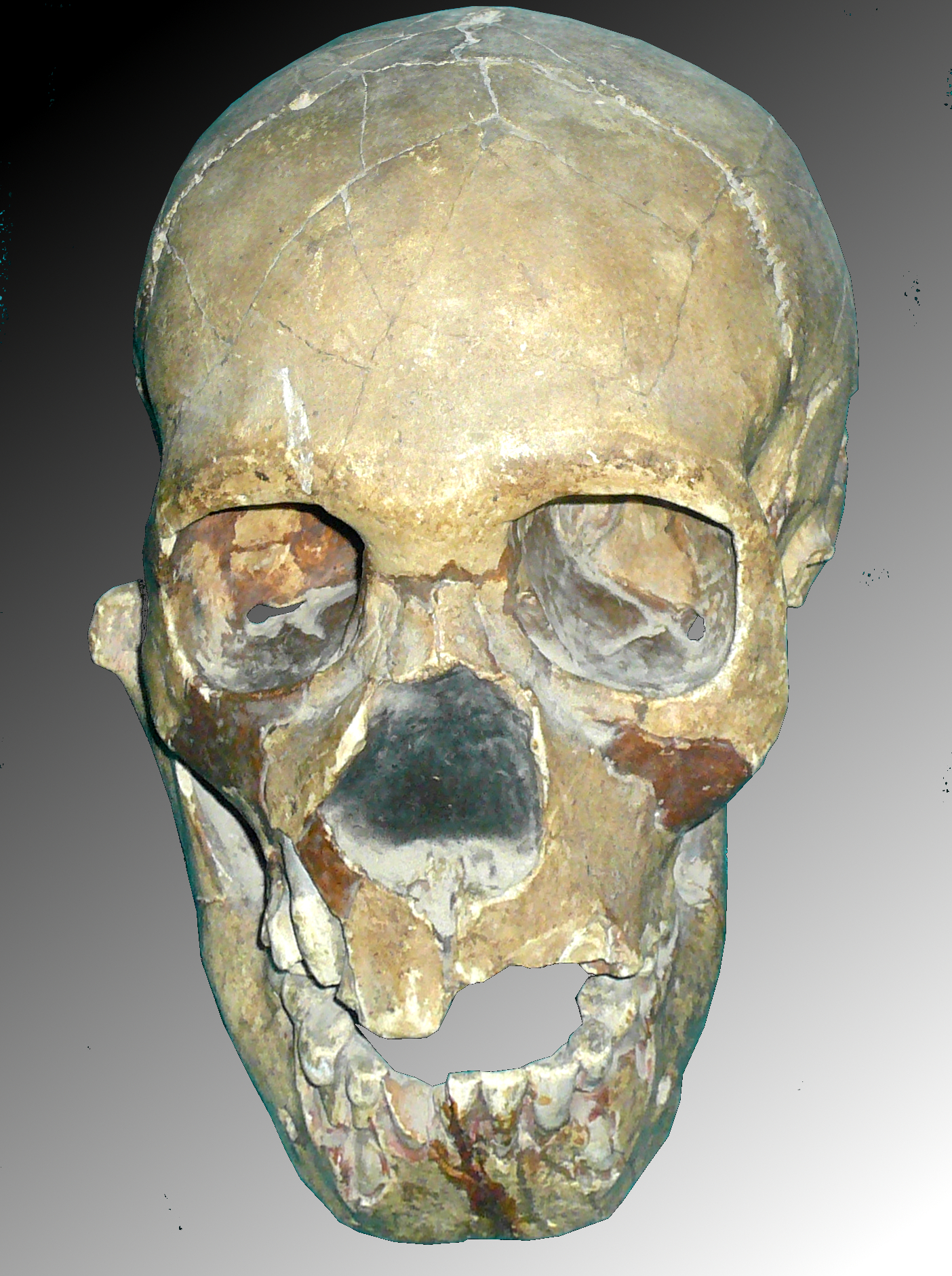
Teshik-Tash is a place where time feels suspended, where the rugged beauty of the mountains meets the weight of human history. Nestled in the foothills near Sherabad, in southern Uzbekistan, this unassuming cave has become one of the most significant archaeological sites in Central Asia. It was here, in the 1930s, that researchers uncovered the remains of a Neanderthal child, a discovery that reshaped our understanding of early human life in the region. The name Teshik-Tash translates to "stone with a hole," and the cave’s entrance does resemble a natural arch carved into the limestone by centuries of wind and water. It’s a quiet, almost forgotten corner of the world, where the past lingers in the stillness.
The landscape around Teshik-Tash is stark and unchanging, a semi-arid expanse of rocky slopes and sparse vegetation that has likely looked much the same for millennia. The foothills of the Gissar Range rise in the distance, their dry, sun-baked surfaces broken only by the occasional shrub or stunted tree. The air carries the scent of wormwood and dust, a reminder of how little this place has been altered by modern life. Long ago, a river once flowed through these parts, carving deep gorges and sheer cliffs, but now only the wind moves through the silence. Small villages dot the horizon, where life unfolds at the same unhurried pace it has for generations.
The cave itself is modest in size, but stepping inside feels like entering another era. The walls are smooth with age, their surfaces worn by time, and in places, the ceiling has collapsed, letting in slivers of light. The air is cool, even on the hottest days, and the only sounds are the crunch of gravel underfoot or the distant cry of a bird echoing through the ravine. There are no glittering stalactites or underground rivers here—just raw, untouched stone. What makes Teshik-Tash remarkable isn’t its grandeur, but its simplicity. It’s a place that invites reflection, where the absence of modern distractions allows the mind to wander back to the people who once called this cave home.
The discoveries made here in the 1930s were groundbreaking. Alongside the Neanderthal child’s remains, archaeologists found stone tools and traces of ancient hearths, suggesting the cave was used as a shelter. The artifacts date back to the Middle Paleolithic era, a time when Neanderthals still roamed these lands. One of the most intriguing finds was the arrangement of ibex horns around the child’s skeleton, which has led some to speculate about early ritual practices. Today, the original artifacts are housed in museums, but the cave itself retains an air of mystery, as if the past is still present in the very stones.
Getting to Teshik-Tash isn’t easy. There are no signs, no tourist facilities, and no crowds—just a rough dirt road leading through the hills. Most visitors arrive by car or on foot, navigating the last stretch of the journey with little more than local directions. For the people who live in the nearby villages, the cave is just another part of the landscape, not a destination. They might know its name, but few ever visit, and that’s part of what makes this place so special. Without the trappings of tourism, Teshik-Tash feels untouched, a rare spot where history hasn’t been packaged for consumption.
This isn’t a place for those seeking entertainment or guided tours. There are no plaques explaining the significance of the site, no audio guides narrating its history. Instead, Teshik-Tash offers something far more intimate: the chance to stand where ancient humans once stood, to touch the same walls they touched, and to imagine their lives. The wind rushing through the gorge, the weight of the stones beneath your feet—it all serves as a reminder that this land has been walked by countless generations before us. We may never know the full story of the people who lived here, but being in their presence, even briefly, is a humbling experience.
Teshik-Tash isn’t the only cave in the region. The area around Sherabad is dotted with other grottos and rock formations, some of which have also yielded archaeological finds. But this particular cave has become a symbol of the region’s deep history, perhaps because of the significance of its discoveries or simply because of the way it seems to hold the past so vividly. There’s a sense that this place was meant to endure, that the elements have preserved it not just as a relic, but as a living connection to those who came before.
Visiting Teshik-Tash is less about seeing and more about feeling. It’s a place that demands patience, a willingness to sit with the silence and let the history seep in. For those who appreciate authenticity over spectacle, it’s a rare find—a site where the past isn’t just remembered, but tangibly present. In a world where so much has been altered or commodified, Teshik-Tash remains a quiet testament to the enduring power of time and the fragile, fleeting nature of human existence.