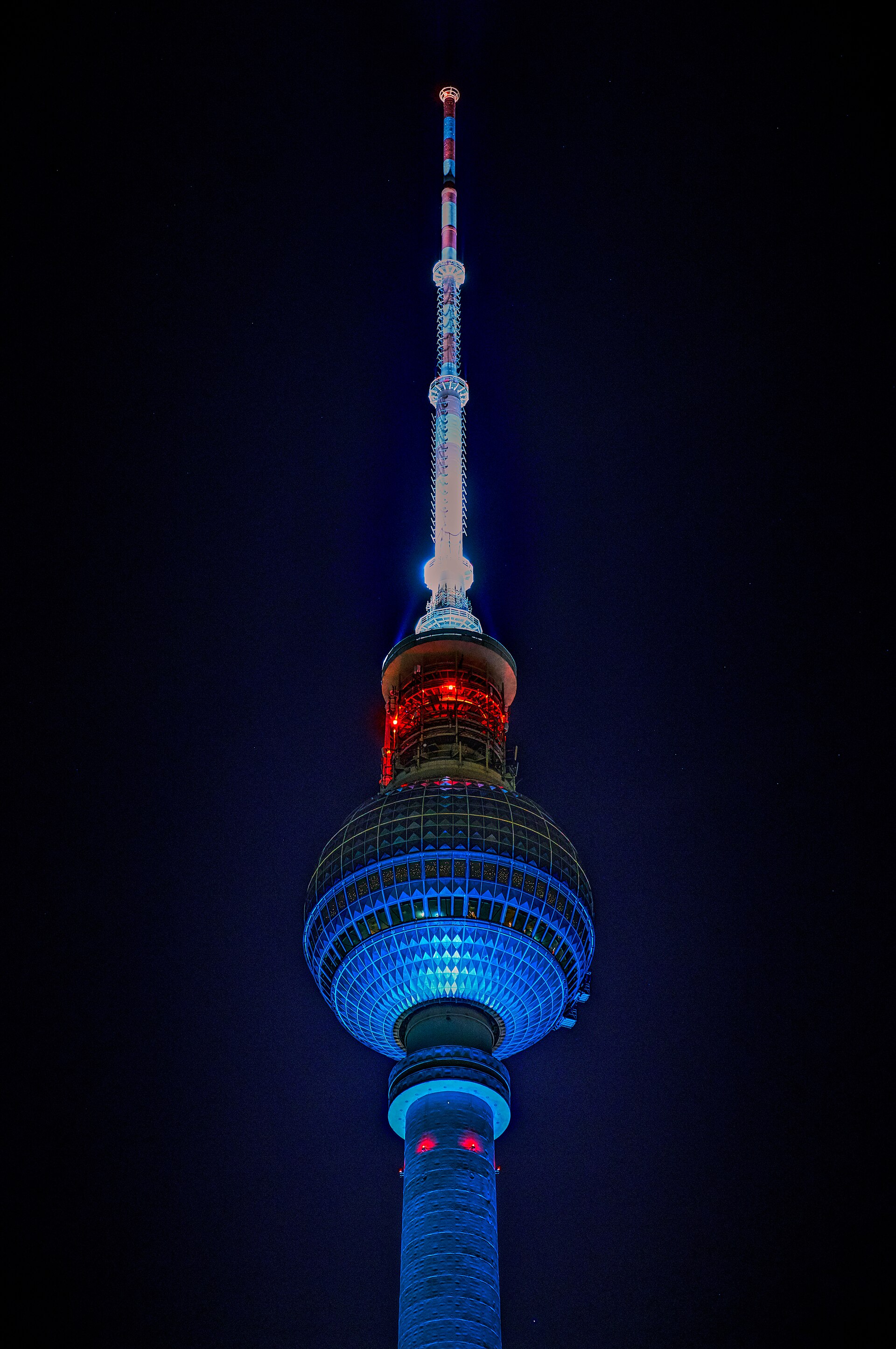
Berlin’s Television Tower, or Fernsehturm, rises above Alexanderplatz as the tallest structure in Germany. At 368 meters, it was built between 1965 and 1969, a project of East Germany meant to showcase the technological ambitions of the socialist state. The tower’s design was a statement—sleek, modern, and unmistakably Soviet in its scale. Today, it remains one of the most recognizable landmarks in the city, a relic of a divided Berlin that has since become a symbol of unity.
The tower’s most striking feature is its spherical observation deck, suspended 203 meters above the ground. Above it, at 207 meters, a revolving restaurant completes a full rotation every hour, offering diners a slowly shifting panorama of the city. The sphere itself has an unintended quirk: when sunlight hits its steel surface, the reflection forms a cross-like shape. Berliners, with their dry humor, dubbed this the "Pope’s Revenge," a nod to the atheist policies of the GDR government that had built it.
From the observation deck, the view stretches across the entire city. On clear days, you can see the Brandenburg Gate, the Reichstag, Museum Island, and even the faint traces of the Berlin Wall, still visible in the urban fabric. The contrast between the historic center and the sprawling modern districts is striking. At dusk, the city lights begin to flicker on, transforming the landscape into a sea of illumination. The best time to visit is about an hour before sunset, when the fading light and the first artificial glow create a balance between day and night.
Below, Alexanderplatz is a bustling square that has long been a crossroads of Berlin. The World Time Clock, a popular meeting spot, displays the time in cities around the globe. Nearby, the Fountain of International Friendship adds a touch of Soviet-era kitsch, while the surrounding streets are a mix of old and new—shopping centers, transit hubs, and remnants of the square’s past life. The area is always in motion, with trams, buses, and pedestrians weaving through its wide spaces.
Visiting the tower requires some planning. Tickets are timed, and evening slots tend to sell out quickly, as the night views are especially popular. On clear days, visibility can reach up to 40 kilometers, but if the weather turns, you might find yourself staring at a wall of clouds. There are no refunds for bad weather, so it’s worth checking the forecast before heading up. The elevator ride takes about 40 seconds, but even with a ticket, there can be a wait, especially during peak hours.
For those who prefer to skip the line, booking a table in the revolving restaurant is an option. It’s not just about the view—the experience of watching the city turn beneath you while enjoying a meal is unique. The restaurant’s design is functional rather than luxurious, with a focus on the panorama outside. Below the observation deck, a small exhibition traces the tower’s construction and its role in Berlin’s history, offering context for those curious about its past.
The area around the tower is constantly evolving. Construction projects and renovations occasionally alter the approach, so it’s worth checking ahead if you’re navigating the area for the first time. At night, the tower is illuminated, its red lights visible from much of the city. On windy days, the observation deck may close for safety reasons, so flexibility is key if you’re planning a visit.
The World Time Clock at the base of the tower has become more than just a functional piece—it’s a cultural landmark in its own right. Berliners use it as a meeting point, a reference, and a quiet reminder of the city’s global connections. The tower itself, once a symbol of division, now stands as a testament to Berlin’s ability to reinvent itself. Whether you come for the views, the history, or simply to say you’ve been to the top of Germany’s tallest structure, the Fernsehturm offers a perspective that’s hard to match.