Turku Theatre stands as one of Finland’s oldest and most enduring cultural landmarks, a place where the country’s theatrical traditions have taken shape over more than two centuries. Founded in 1819, it emerged during a time when Finland was still part of the Russian Empire, yet its roots stretch even further back, to the Swedish era when Turku served as the nation’s capital. The theatre’s history mirrors the broader evolution of Finnish identity—shifting from Swedish influence to Russian rule, then to independence, all while maintaining its role as a stage for both local talent and international works. Unlike the grand opera houses of St. Petersburg or Stockholm, Turku Theatre was never meant to dazzle with opulence. Instead, it grew as a practical, working space for artists, a place where plays could be performed without pretension, reflecting the everyday lives and concerns of its audience.
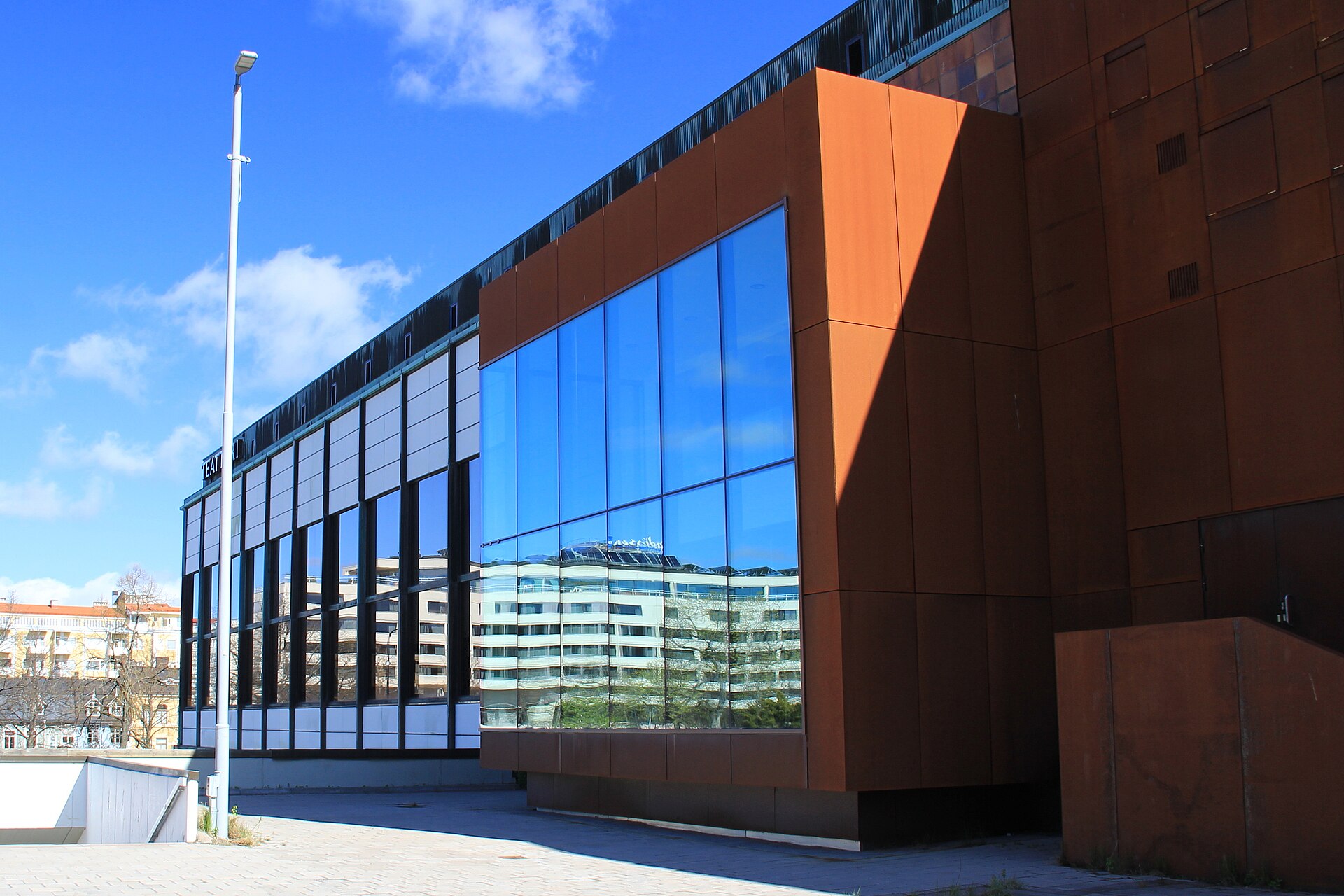
The building itself tells a story of adaptation and resilience. The original structure, completed in 1839, was a modest wooden construction, typical of the time, but it burned down in 1898—a fate shared by much of Turku’s older architecture. The current building, designed by architect Karl Johan von Heideken, rose from the ashes in 1904, blending neoclassical and Art Nouveau elements in a way that feels distinctly Finnish. Its facade is understated, with clean lines and a pale yellow exterior that softens under the Nordic light. Inside, the auditorium retains a sense of intimacy, with a horseshoe-shaped seating arrangement that brings the audience close to the stage. The decor is simple but elegant, with dark wood paneling and subtle gilding that hint at the theatre’s age without overwhelming the performances.
Over the decades, Turku Theatre has hosted a mix of Finnish classics, contemporary plays, and international works, often serving as a testing ground for new voices in Finnish drama. It was here that many of the country’s most celebrated playwrights, such as Aleksis Kivi and Minna Canth, saw their works brought to life for the first time. The theatre has also been a stage for political and social commentary, particularly during periods of upheaval. In the early 20th century, as Finland struggled for independence, performances here sometimes carried subtle messages of resistance. Later, during the Cold War, the theatre navigated the delicate balance between artistic freedom and the expectations of a society caught between East and West. Even today, it remains a place where Finnish culture is both preserved and challenged, where tradition meets experimentation.
What sets Turku Theatre apart from larger venues in Helsinki or Tampere is its connection to the city itself. Turku is Finland’s oldest city, with a history that predates the country’s independence by centuries, and the theatre feels like a natural extension of that legacy. It’s not just a place to see a show; it’s part of the fabric of daily life in Turku. Locals might come for a play, a concert, or even a community event, but they also pass by it on their way to the market or the riverfront, its presence a quiet reminder of the city’s cultural heartbeat. The theatre’s location, near the Aura River and the historic Turku Castle, places it in one of the most picturesque parts of the city, where the past and present coexist in an easy rhythm.
The atmosphere inside the theatre is one of warmth and familiarity. Unlike the imposing grandeur of some European opera houses, Turku Theatre feels approachable, almost like a well-loved living room where the audience is as much a part of the experience as the performers. The acoustics are clear but not overpowering, designed to carry the human voice rather than drown it in echo. The seats, though not luxurious, are comfortable enough for an evening’s entertainment, and the lack of ornate decoration means the focus remains on the stage. This simplicity is intentional—it reflects the Finnish aesthetic of functional beauty, where form follows purpose without unnecessary embellishment.
For visitors, attending a performance at Turku Theatre offers a glimpse into Finnish culture that goes beyond the usual tourist attractions. While Helsinki’s National Theatre might draw bigger names and flashier productions, Turku’s venue provides something more authentic: a sense of continuity. Many of the plays performed here are in Finnish, of course, but even without understanding the language, the emotions and energy of the performances come through. The theatre also hosts occasional English-language productions or events with subtitles, making it accessible to international audiences. Beyond the main stage, the building houses smaller studios and rehearsal spaces, where workshops and experimental performances take place, offering a behind-the-scenes look at how Finnish theatre is made.
The theatre’s role in the community extends beyond performances. It’s a gathering place, a venue for lectures, debates, and even children’s events. During the summer, the courtyard becomes a lively spot for outdoor concerts and festivals, blending the indoor and outdoor spaces in a way that feels uniquely Finnish. The theatre also collaborates with local schools and universities, nurturing the next generation of actors, directors, and playwrights. This connection to education and community is part of what has kept the theatre relevant for over two hundred years. It’s not just a relic of the past; it’s a living institution that evolves with the city and its people.
Turku Theatre is also a reminder of how culture can thrive outside the capital. Finland’s artistic scene is often associated with Helsinki, but places like Turku have always played a crucial role in shaping the country’s identity. The theatre’s longevity is a testament to the resilience of regional culture, proving that great art doesn’t need to be confined to the biggest cities. For those who visit Turku, whether for a day or a week, the theatre offers a chance to see Finland through a different lens—one that’s less polished but more personal, less about spectacle and more about substance.
Walking past the theatre on a quiet evening, with the lights of the city reflecting off the Aura River, it’s easy to imagine the generations of Finns who have entered its doors. Some came for entertainment, others for inspiration, and many simply to be part of something larger than themselves. The building has witnessed wars, independence, and the slow march of progress, yet it remains a place where stories are told and heard. In a world where so much of life is digital and transient, Turku Theatre stands as a physical reminder of the power of live performance—the way it connects people, challenges ideas, and keeps history alive. It’s not just a theatre; it’s a piece of Finland’s soul.