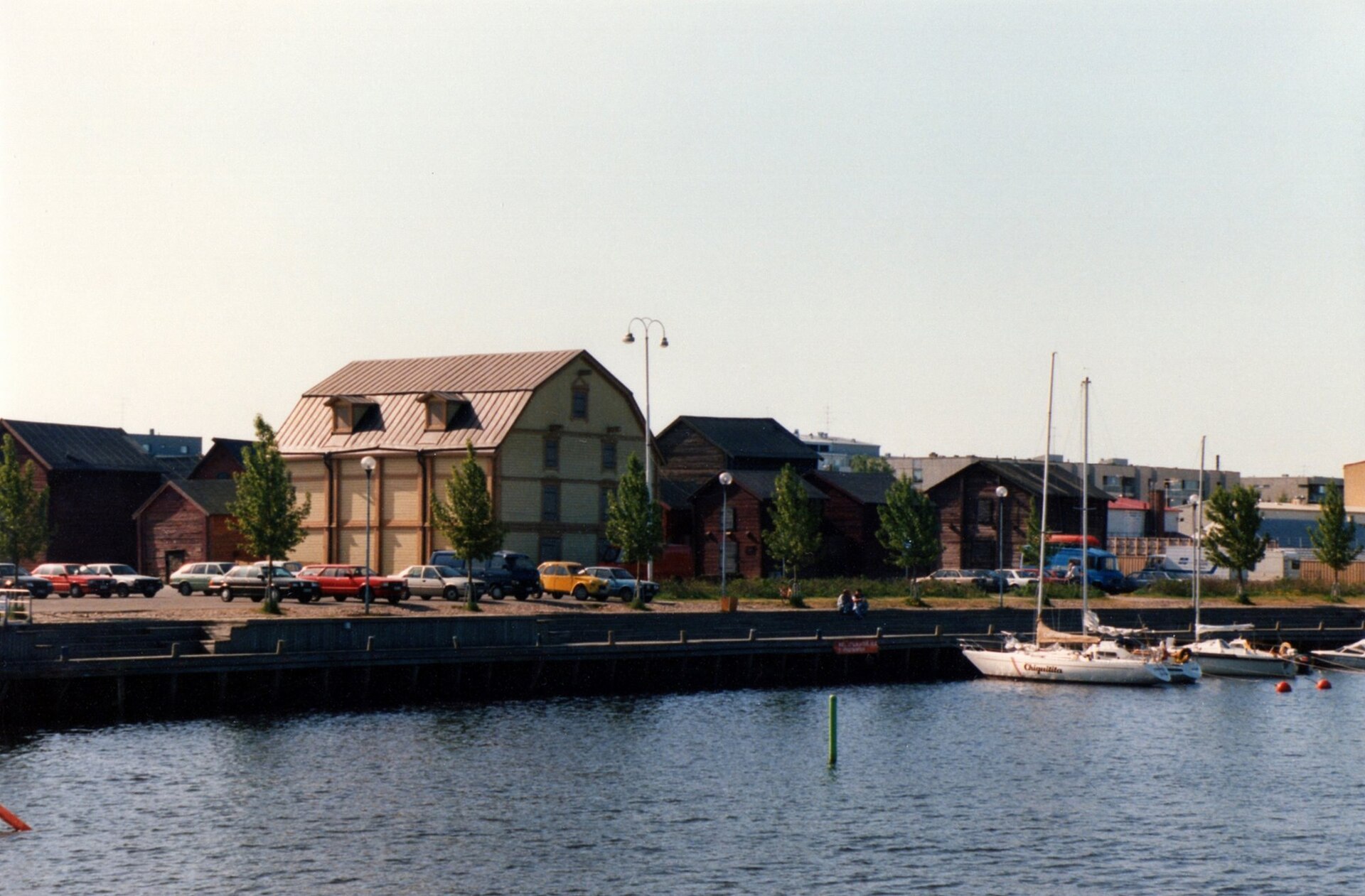
Oulu Theatre sits quietly by the Oulujoki River, where the city’s pulse has always been strongest. The building doesn’t announce itself with grand facades or gilded halls—its strength lies in its understated presence. Designed with clean lines and large windows, it blends into the riverside without demanding attention, as if to say that art here isn’t separate from life but woven into it. The theatre’s modern architecture reflects the city’s own character: practical yet thoughtful, unpretentious but full of quiet confidence.
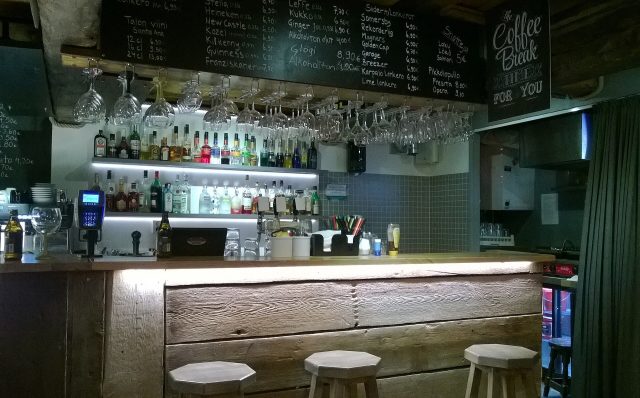
The story of the theatre began in the 1960s, when Oulu was transforming from a modest provincial town into a cultural hub for northern Finland. The idea wasn’t just to build a stage but to create a space where people could gather, debate, and find inspiration. The first theatre opened in 1972, and since then, it has grown into more than just a performance venue. Today, it’s a complex with multiple halls, rehearsal spaces, and even a café where audiences linger after shows, discussing what they’ve just seen over coffee. It’s the kind of place that feels lived-in, where the boundary between performers and spectators softens.
The theatre’s repertoire balances tradition and innovation. Classic works by Shakespeare and Finnish playwrights share the stage with contemporary pieces by emerging voices. Finnish drama holds a special place here—whether it’s revisiting the works of Aleksis Kivi or exploring modern themes like isolation, identity, and humanity’s relationship with nature. The theatre doesn’t limit itself to one genre; you might catch a gripping drama one night and a lighthearted musical the next. The programming feels deliberate, as if each season is carefully curated to reflect both the past and the present.
The building itself is a study in thoughtful design. Completed in the 1980s, it was the result of years of discussion about how a theatre should function—not just as a space for performances but as a welcoming environment for audiences and performers alike. Architect Kari Juhani Heinonen focused on creating an atmosphere of openness and warmth. Inside, light wood and glass dominate, making the spaces feel airy and inviting. The main auditorium seats around five hundred, but even during sold-out shows, there’s a sense of intimacy. The acoustics are clear, the sightlines unobstructed, and the seating arranged so that every audience member feels connected to the stage.
For actors, Oulu Theatre is both a home and a launching pad. The resident company includes performers with diverse backgrounds, some of whom have worked in larger cities but chose Oulu for its creative freedom. There’s less pressure here than in Helsinki’s theatres, which allows for experimentation and risk-taking. Young actors often start their careers in Oulu, testing their skills in a variety of roles before moving on. The theatre also hosts touring productions from across Finland and Europe, bringing fresh perspectives to the city. It’s a place where artists can grow without the weight of expectations that comes with bigger stages.
Families are a big part of the theatre’s audience, and the programming reflects that. There are shows for toddlers, where fairy tales come to life with puppets and bright sets, and productions for teenagers that tackle the complexities of growing up. For many children, a visit to the theatre is their first experience with live performance, and the staff work to make it memorable. Post-show discussions with actors are common, giving young audiences a chance to ask questions and even try their hand at directing or performing. It’s not just about entertainment; it’s about sparking curiosity and a lifelong appreciation for the arts.
Beyond performances, the theatre is a hub for the city’s cultural life. Lectures, workshops, and festivals fill its calendar, drawing artists and audiences from across Finland. One of the highlights is the annual contemporary theatre festival, where experimental works take center stage. Visitors can attend open rehearsals, participate in creative labs, or simply mingle with fellow theatre lovers. The theatre also partners with local schools and universities, offering tours and educational programs that introduce students to the world of performing arts. It’s more than a venue—it’s a place where ideas are exchanged and creativity is nurtured.
Oulu’s relationship with nature is mirrored in the theatre’s setting. Located by the river, it invites visitors to arrive early and take a stroll along the waterfront before the show. In winter, the theatre glows like a beacon against the snow, a warm refuge from the cold. In summer, performances sometimes spill outdoors, allowing audiences to enjoy the midnight sun or the quiet of a starry night. The river’s presence adds another layer to the experience, making each visit feel like part of a larger rhythm—the ebb and flow of the city and its seasons.
What makes Oulu Theatre special is its lack of pretension. There’s no grandiosity here, just a genuine desire to tell stories that resonate. Whether you’re watching a classic play or a bold new work, attending alone or with friends, the theatre has a way of making you feel at home. It’s the kind of place that doesn’t just put on shows but becomes part of the community’s fabric. In a city where nature and urban life coexist so seamlessly, the theatre stands as a reminder that culture, too, can be both grounded and inspiring.