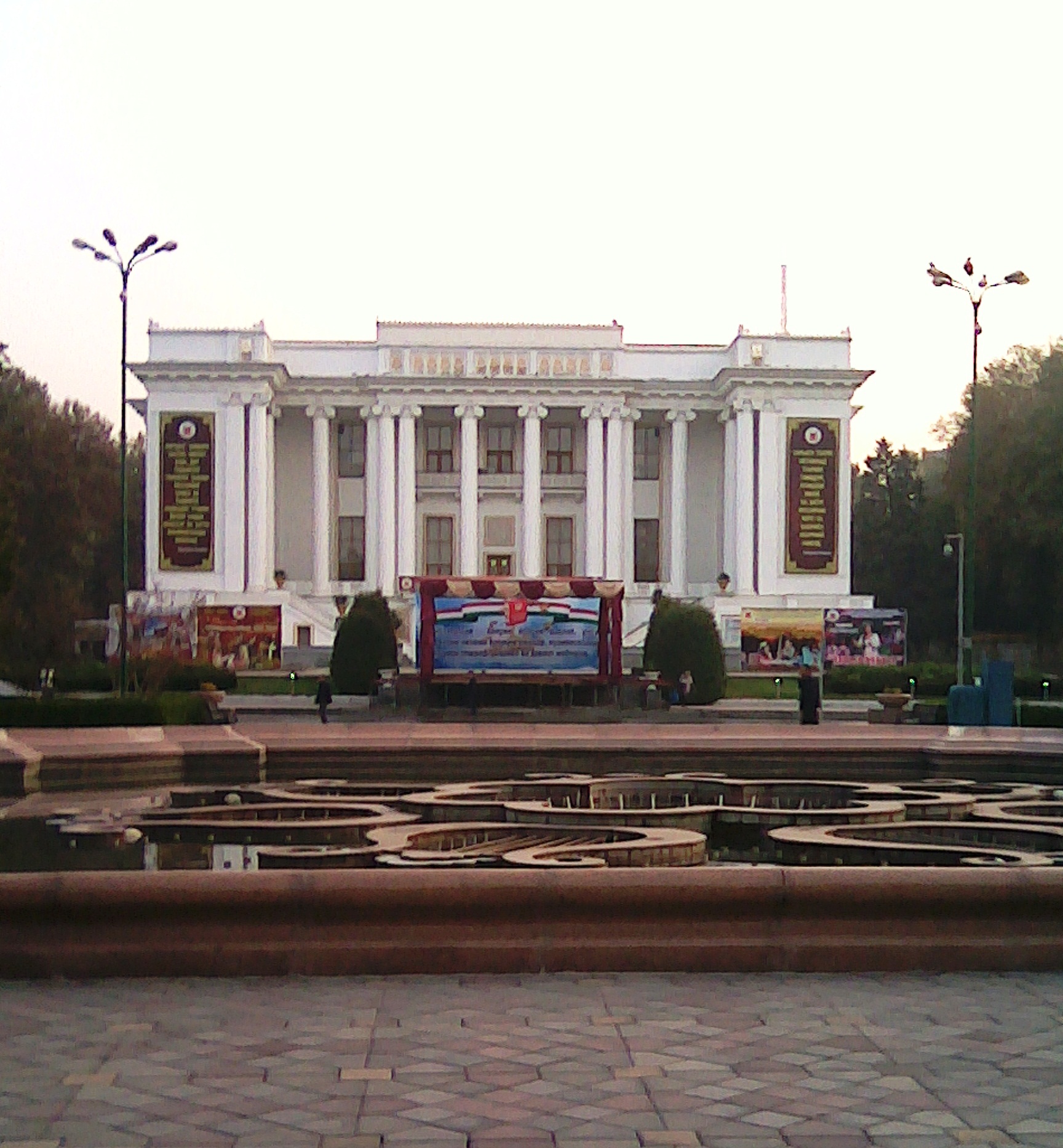
The Ayni Opera and Ballet Theatre stands as one of Dushanbe’s most recognizable landmarks, a building that carries both artistic significance and a quiet sense of history. Named after Sadriddin Ayni, a towering figure in Tajik literature and culture, the theatre has been a cornerstone of the city’s cultural life since its opening in the mid-20th century. Its architecture reflects the Soviet-era grandeur that once defined many public buildings in Central Asia, with a facade that balances classical proportions and local influences. The theatre isn’t just a venue for performances; it’s a symbol of Tajikistan’s efforts to preserve and promote its artistic traditions in a rapidly changing world.
The building itself is an interesting blend of styles. The exterior is marked by clean lines and a sense of symmetry, with columns that hint at neoclassical design while the overall structure feels distinctly modern for its time. Inside, the auditorium is designed to prioritize acoustics and sightlines, a nod to the practical needs of opera and ballet. The interiors were once adorned with murals and decorative elements that celebrated Tajik folklore and history, though some of these details have faded or been altered over the decades. Still, the theatre retains a certain elegance, a place where the past and present coexist in the way light filters through the windows or how the stage curtains frame each performance.
For much of its history, the Ayni Theatre has been more than just a performance space. During the Soviet period, it served as a cultural hub where Tajik artists could showcase their work alongside Russian and European classics. The repertoire has always been diverse, ranging from traditional Tajik folk tales adapted for the stage to well-known ballets like Swan Lake or operas such as Carmen. After Tajikistan gained independence, the theatre took on a new role, becoming a platform for national identity. Performances began to incorporate more Tajik-language works, and the institution itself became a point of pride for a country redefining its cultural narrative.
The theatre’s significance extends beyond its walls. It has hosted some of the most important events in Tajikistan’s modern history, from state ceremonies to international festivals. For many locals, attending a performance here is a rite of passage, a way to connect with the country’s artistic heritage. The building has also witnessed the ebb and flow of political and social change. In the 1990s, during the civil war, cultural life in Dushanbe slowed dramatically, and the theatre, like many institutions, struggled to maintain its programming. Yet it endured, a quiet testament to the resilience of the arts even in difficult times.
Today, the Ayni Theatre remains a working venue, though its role has evolved. While it still stages opera and ballet, it also hosts concerts, recitals, and even occasional film screenings. The programming reflects a mix of local and international influences, with a growing emphasis on contemporary Tajik composers and choreographers. The theatre isn’t just for elite audiences; it’s a place where students, families, and visitors can experience the performing arts. The atmosphere inside is one of quiet anticipation before a show, the murmur of conversation in the foyer, and the shared experience of watching a performance unfold on stage.
What makes the Ayni Theatre special isn’t just its architecture or its history, but the way it feels like a living part of the city. It’s not a museum piece, frozen in time, but a space that continues to adapt. The building has undergone renovations over the years, some more successful than others, but each change reflects the priorities of the moment. The theatre’s location in central Dushanbe also makes it a natural gathering point. Nearby parks and cafes fill with people before and after performances, turning the area into a social hub. For visitors, the theatre offers a glimpse into Tajikistan’s cultural life, a chance to see how art is woven into the fabric of everyday existence.
There’s something quietly moving about the way the Ayni Theatre has endured. It has survived political upheavals, economic challenges, and the passage of time, yet it remains a place where people come together to celebrate beauty and storytelling. The performances themselves are a reminder of how art can transcend language and borders. Whether it’s a Tajik folk dance or a classic ballet, the theatre invites audiences to lose themselves in the moment, to forget the outside world for a few hours. In a city that’s constantly changing, the Ayni Theatre stands as a steady presence, a place where the past is honored and the future is imagined.