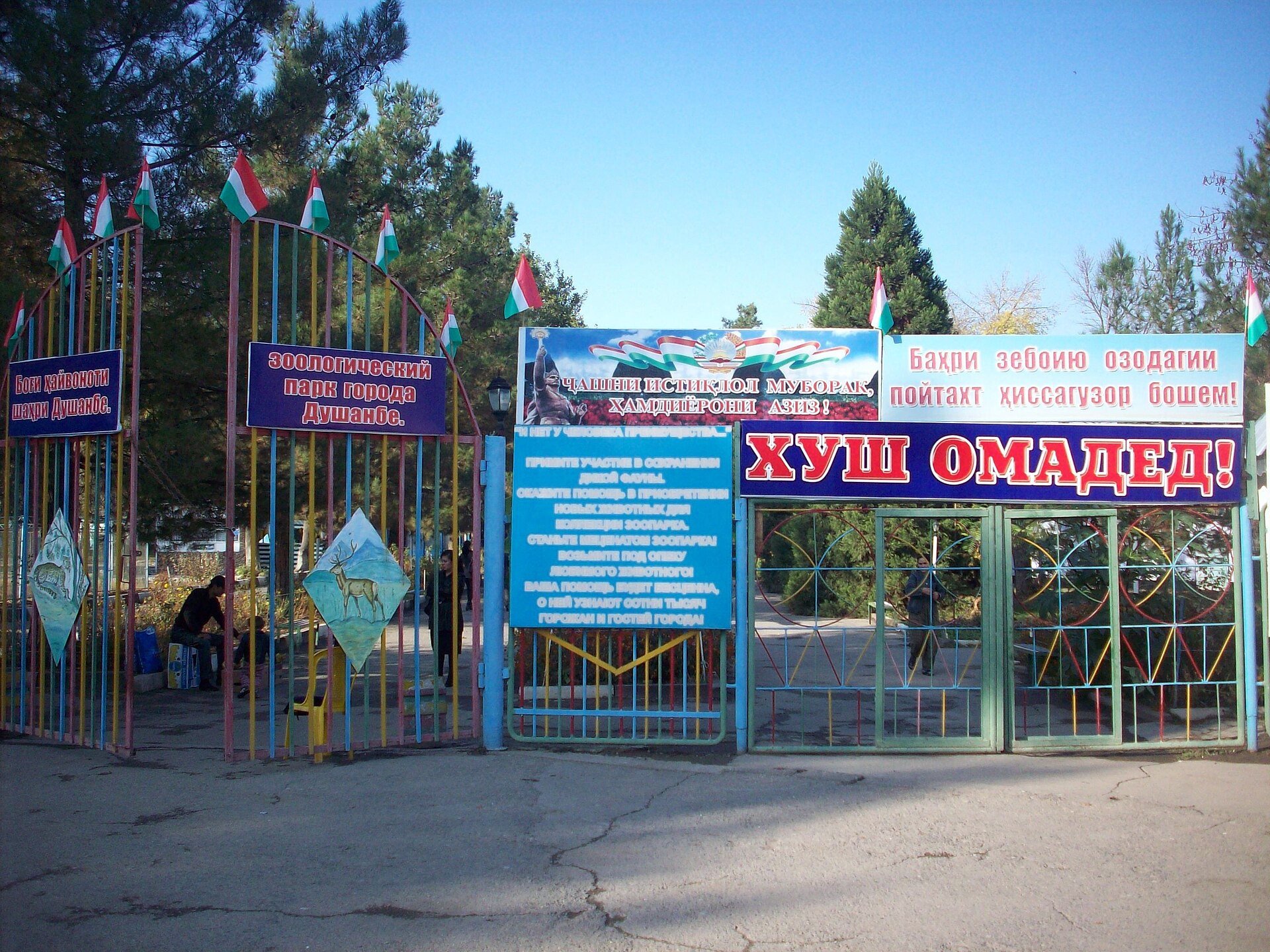
Dushanbe Zoo is one of those places in the Tajik capital that many visitors overlook, yet it holds more than just a collection of animals—it carries a piece of the city’s history. Opened in the mid-20th century, it was the first zoo in the republic and remained the only one for decades. Today, it offers a glimpse of Central Asian wildlife and beyond, but what truly sets it apart is its atmosphere, unlike the polished zoos of Europe or even other parts of Asia.
Tucked in the heart of Dushanbe, not far from Rudaki Avenue, the zoo sits among old trees and a small park. The grounds aren’t vast, but they’re well-kept, with neat pathways and enclosures that are slowly being updated. In Soviet times, it was a popular spot for families, and traces of that era still linger—simple but sturdy buildings, faded signs with animal names, and even some of the animals themselves, who have lived here for years.
The zoo is home to brown and Himalayan bears, wolves, foxes, and various birds, including birds of prey. More exotic residents, like lions and tigers, also draw attention, though the real stars are the snow leopards. These elusive cats, a symbol of Tajikistan, have their own spacious enclosure, though spotting them can be tricky—they’re shy and often hide from visitors.
The zoo’s history is intertwined with Dushanbe’s growth. In the 1950s, as the city expanded, the zoo became a symbol of the new capital, blending culture and nature. Back then, it received its first exotic animals as gifts from other Soviet republics. Over time, the collection grew, but after the USSR collapsed, the zoo faced hard times—funding shortages, struggles with animal care, and dwindling resources. Still, local authorities and enthusiasts have been working to restore it, preserving at least some of its former diversity.
Nowadays, the zoo isn’t just a place to stroll—it’s a small educational hub. School groups visit for tours that teach them about animals and their role in ecosystems. Occasionally, there are events focused on wildlife conservation, though they’re modest in scale. For many locals, the zoo remains a weekend destination, a place to show children animals they’d never see in Tajikistan’s wild.
The architecture is straightforward and practical, built in the Soviet style—durable but unadorned. Some enclosures are outdated and in need of repair, while others have been modernized in recent years. The section for birds of prey stands out, with spacious netted enclosures where the birds can stretch their wings, if only a little.
The atmosphere is quiet, almost sleepy. Unlike the crowded zoos of Europe or America, this one moves at its own pace. There’s no rush—just the chance to wander the paths, watch the animals, and listen to the calls of peacocks or the cooing of pigeons roaming freely. On hot days, the shade of the trees makes it especially pleasant.
Dushanbe Zoo may not compare to the grand zoos of Moscow or Berlin, but that’s part of its charm. It doesn’t try to be perfect; it simply exists as a piece of the city’s life. Here, children see their first live lion or bear, and adults revisit memories of their own childhoods. There’s no luxury, just a quiet, nostalgic feel that makes it unmistakably Dushanbe.