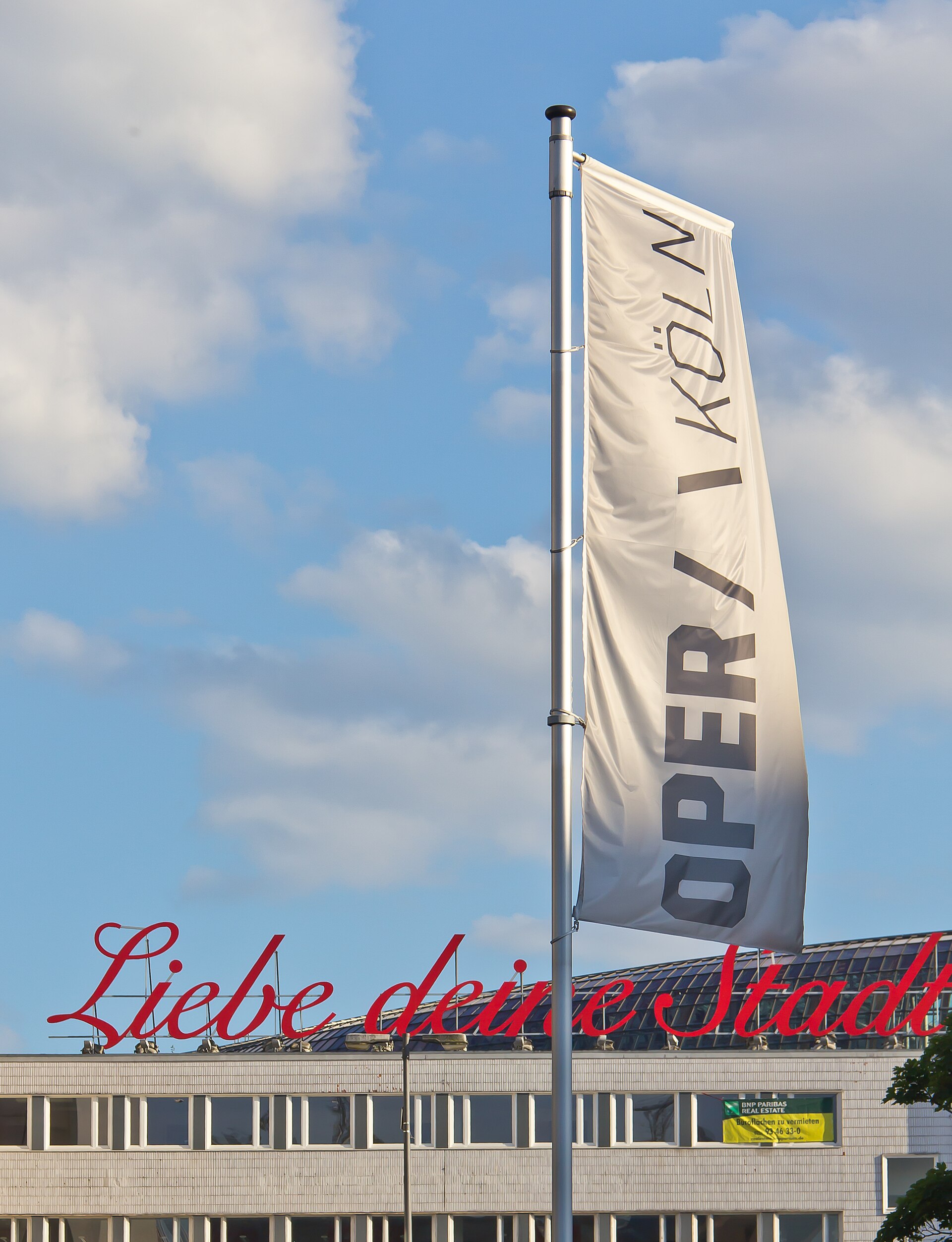
Cologne’s operetta theater is one of those places where the city’s cultural heartbeat feels strongest. Tucked among the more storied landmarks of the city center, it doesn’t demand attention with grand facades or centuries of history. Instead, it quietly holds its own, offering something rare—a space where music and everyday life intersect without pretense. The theater opened in the mid-20th century, a time when Cologne was rebuilding not just its buildings but its spirit. In those years, the city needed places that could lift people’s moods, and the operetta became one of them, a venue where lightness and joy felt like a necessity rather than a luxury.
The building itself doesn’t follow the usual script for a theater. There are no marble columns or gilded ceilings, no heavy drapes or chandeliers dripping with crystal. The architecture is modern, almost understated, with clean lines and large windows that let in the city’s light. Inside, the design is practical yet warm, avoiding both the stiffness of formal theaters and the overdone opulence of grand opera houses. It’s a place that doesn’t intimidate—no dress codes, no unspoken rules about when to clap. The seats are comfortable, the acoustics clear, and the atmosphere inviting, as if the theater were built for people who love music but don’t want to feel like they’re attending a state occasion.
What sets Cologne’s operetta apart is its approach to the genre. Unlike opera, which often caters to connoisseurs, operetta here is for everyone. The repertoire leans toward the classics—Johann Strauss, Jacques Offenbach, Imre Kálmán—but the productions never feel like museum pieces. The music is lively, the humor sharp, and the emotions genuine, as if the stories were written yesterday. The performers don’t just sing; they connect. There’s a sense that they’re not putting on a show so much as sharing something personal, something that resonates beyond the stage. It’s the kind of theater where you might find yourself humming along without realizing it, where the boundary between performer and audience blurs just enough to make the experience feel intimate.
The theater has never been afraid to evolve. While it stays true to the operetta tradition, it also experiments, blending classic works with contemporary interpretations. Some nights, the orchestra might shift from waltzes to jazz, or the stage might host a musical instead of a traditional operetta. This flexibility keeps the theater dynamic, a place where regulars never quite know what to expect. It’s not about reinventing the genre for the sake of novelty but about keeping it relevant, ensuring that each performance feels fresh without losing the essence of what makes operetta special.
The audience here is as varied as the city itself. On any given night, you might see students in jeans sitting next to older couples who’ve been coming for decades, families with children experiencing live theater for the first time, or tourists who wandered in after seeing a poster. There’s no pressure to dress up or follow rigid etiquette. Laughter comes naturally, applause isn’t timed, and if someone feels like singing along, no one minds. It’s a rare kind of theater where the experience feels communal rather than performative, where the joy of the music is the only thing that matters.
For many in Cologne, the operetta is more than just a venue—it’s part of the city’s rhythm. It’s where people celebrate birthdays, take first dates, or bring their kids to introduce them to the magic of live performance. On premiere nights or during holiday shows, the lobby buzzes with anticipation, filled with the kind of energy that only comes when a place is truly loved. The theater doesn’t just entertain; it creates memories, the kind that linger long after the final curtain.
Behind the scenes, the operetta plays another important role: nurturing talent. Many actors and musicians who’ve gone on to wider recognition started their careers here. The theater has a long history of collaborating with local arts schools, giving young performers a chance to step onto a professional stage. For some, it’s the first step toward a career in the arts; for others, it’s simply a formative experience, a moment when they realized what it means to perform in front of an audience that truly listens.
Operetta as a genre has often been dismissed as outdated, but in Cologne, it thrives. That’s partly because the theater doesn’t try to chase trends or redefine itself for the sake of relevance. Instead, it focuses on what it does best: telling stories through music with honesty and warmth. There’s no pretension here, no attempt to be anything other than what it is—a place where people can escape for a few hours and leave feeling lighter. In a city full of grand historical sites and world-class museums, the operetta offers something simpler but no less valuable: the chance to sit back, listen, and remember what it feels like to be moved by something beautiful.