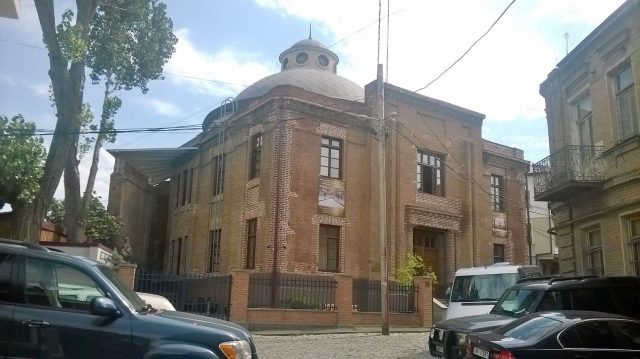
The Miguel Ángel Asturias Theater in David doesn’t stand out at first glance. It sits among low colonial buildings in the city center, easy to overlook if you’re not looking for it. But if you pause, you notice it—not as a grand landmark, but as a place with its own quiet history.
The theater was built in the mid-20th century, when David was growing from a provincial town into western Panama’s economic hub. The architecture mixes functionalism with local touches, avoiding excess but carrying weight. The facade is simple: large windows, clean lines. Inside, a spacious auditorium with a balcony once hosted concerts, plays, and community gatherings. Back then, it wasn’t just for entertainment—it was where people met to talk, make deals, or spend an evening.
Today, performances are fewer, and the seats aren’t always full. But the theater still serves its purpose. Local musicians play here, school plays are staged, and sometimes artists from Panama City visit. For David, where cultural life moves slower than in the capital, it remains a gathering place, especially for those who prefer live performances without pretense.
The theater is named after Guatemalan writer and Nobel laureate Miguel Ángel Asturias. Why him? His name symbolized Latin American cultural identity in the mid-20th century, a time when Panama, like other countries in the region, was searching for its artistic voice. Or maybe a local official admired his work. The exact reason is forgotten, but the name stayed.
Inside, the theater feels modest. Wooden seats, a high ceiling, and a heavy stage curtain evoke an earlier era when going to the theater was as much about the experience as the show. You won’t find lavish productions here, but there’s authenticity. Local performers, amateur groups, and impromptu concerts create an atmosphere that’s more about community than spectacle.
For travelers, the theater isn’t a must-see. There are no grand frescoes or legendary premieres. But if you visit on a night with a play or concert, you might see the real David—a city beyond tourism, with its own quiet rhythm. Sitting in the audience, listening to the music and watching locals, you understand that a theater is more than a stage. It’s a piece of living history.
The building shows its age, which adds to its charm. A small park surrounds it, offering shade, while nearby cafes sell local sweets and coffee. It’s a place to slow down and watch the city go by.
David doesn’t overwhelm you at first. It reveals itself slowly, like a book read at a leisurely pace.
The Miguel Ángel Asturias Theater isn’t a museum. It’s a living space, shaped by the people who use it. Maybe it will be renovated someday, but for now, it remains as locals know it—slightly old-fashioned, a little overlooked, but warm. For travelers who look beyond postcard views, it might be a small discovery.