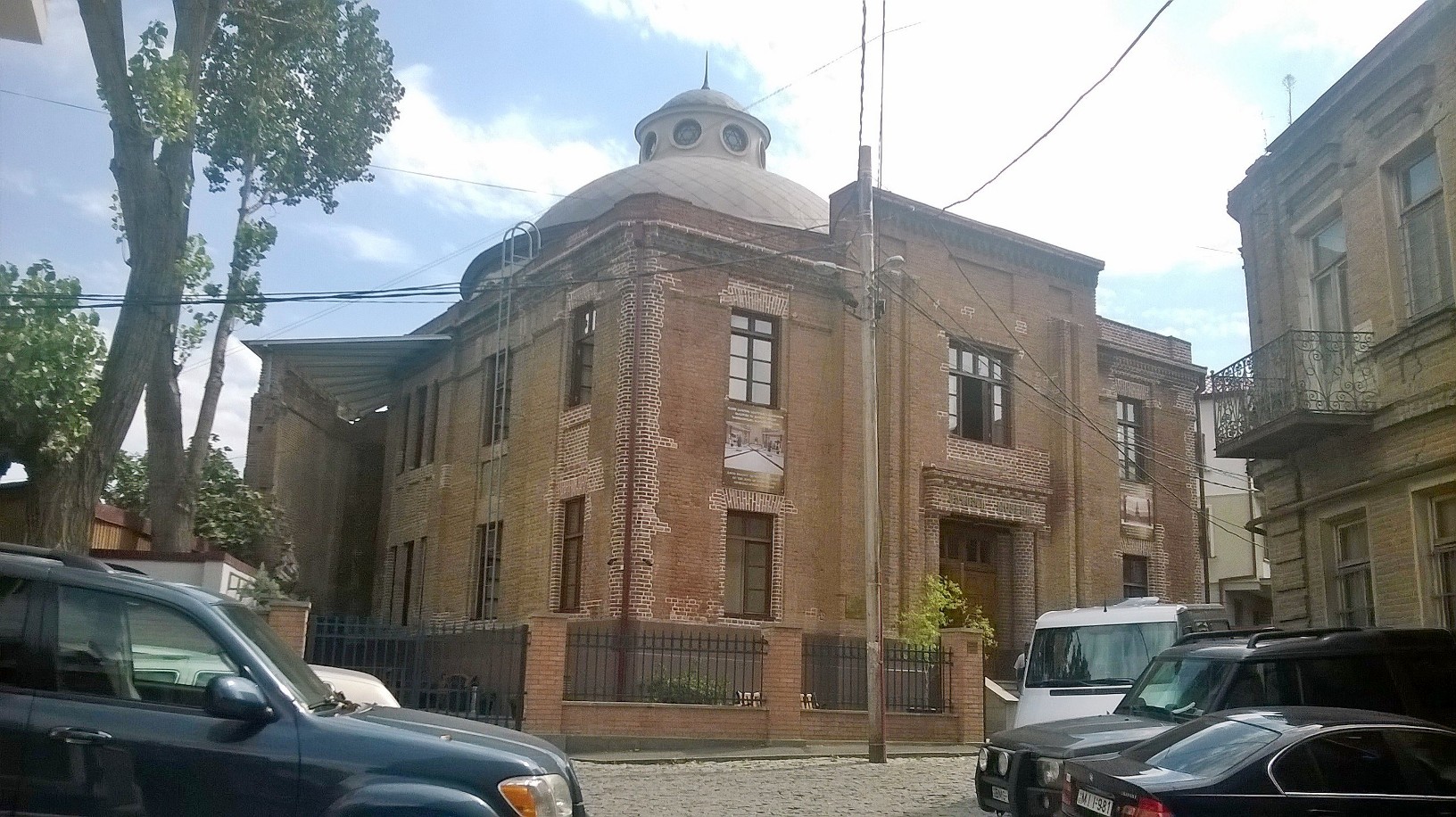
David’s Museum of Ethnography and History sits quietly on Antón Católica Street, a place where the past lingers in the details. The building itself is a piece of history, its thick walls and high ceilings whispering of the different lives it has held—first as a school, then as municipal offices, and now as a home for the stories of those who shaped this corner of western Panama long before borders were drawn. For many travelers, David is just a stopover on the way to beaches or mountain retreats, but the museum offers a reminder that the city has its own rhythm, its own layers of time worth exploring.
The collection is small but carefully curated, beginning with artifacts from the pre-Columbian cultures that thrived in the Chiriquí region. Pottery shards, stone tools, and ornaments made from shells and bone are displayed not as relics of a distant past, but as everyday objects that once belonged to people who fished, farmed, and built communities here. Some exhibits go further, reconstructing scenes of daily life—simple huts, cooking fires, the tools of trade—so visitors can imagine what it might have been like to walk these same lands centuries ago. There’s no grandeur in these pieces, just the quiet weight of human presence.
A separate room turns to the colonial era, where maps, documents, and household items trace the arrival of Spanish settlers and the founding of David in the 16th century. Named after the biblical king, the city started as a modest settlement but grew into a key trading hub in western Panama. Old photographs and engravings show its transformation from dusty streets lined with single-story homes to a more structured town with stone buildings and, later, railway lines. The exhibits don’t romanticize this period; instead, they present it as a time of upheaval, adaptation, and the slow blending of cultures.
The museum also gives space to the indigenous communities that still call Chiriquí home. Traditional clothing, musical instruments, and ritual objects from the Ngäbe-Buglé and other groups are displayed alongside stories of resilience and change. Visitors learn about the Ngäbe’s turtle festival, still celebrated in some villages, or the intricate weaving techniques used to create the region’s famous vegetable-fiber bags. These aren’t just artifacts behind glass—they’re part of living traditions, shaped by centuries of outside influence yet still very much alive.
One of the most compelling sections connects David’s history to the construction of the Panama Canal. Though the city lies far from the canal itself, it felt the ripple effects of the project—supply routes passed through, workers and engineers arrived, and the local economy shifted. Photographs from the early 1900s show the faces of those who built the canal, while tools and documents reveal how ordinary lives were disrupted and reshaped by this massive undertaking. It’s a reminder that even places far from the center of events are never untouched by them.
The museum building, one of the oldest in David, is worth a look in its own right. Built in the late 19th century, it blends colonial architecture with local touches—wide verandas, wooden beams, and a central courtyard where palm trees sway in the breeze. The thick walls keep the interior cool, and the dappled light filtering through the windows gives the space a peaceful, almost timeless feel. It’s the kind of place where you might linger, flipping through old photographs or reading a plaque, letting the stories sink in.
This isn’t a museum for those seeking flashy exhibits or interactive displays. There are no souvenir shops or guided tours with dramatic reenactments. Instead, it offers something quieter: a chance to step into the layers of a city that’s often overlooked. The exhibits don’t just present history—they invite you to see it through the eyes of the people who lived it, whether through a farmer’s tool, a settler’s letter, or a child’s toy. For anyone who’s ever wanted to understand a place beyond its postcard views, the museum provides that depth.
A visit here won’t take long, but it might change the way you see David. The city reveals itself not as a mere stop on a journey, but as a place with its own identity, shaped by generations of farmers, traders, and families who called it home. Afterward, a walk through the streets might feel different—not just a stroll past buildings, but a quiet conversation with the past, one that continues in the slow, steady pulse of the city today.