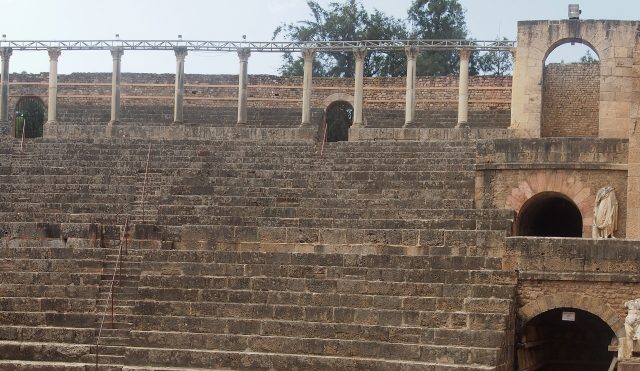
Helma’s theatre is one of those places where time seems to pause, holding within its walls the echoes of different eras. Tucked away in the heart of this Algerian city, it stands at the crossroads of history, architecture, and everyday life. More than just a building, it feels like a witness to the past—a time when Helma was part of the Roman Empire and later became a cultural hub of North Africa.
Though built in the early 20th century, the theatre draws inspiration from ancient architectural traditions without being an actual Roman structure. Its semicircular shape, tiered seating, and stage evoke the classical theatres of the Mediterranean, where audiences once gathered to watch tragedies by Sophocles or comedies by Plautus. While it doesn’t boast a two-thousand-year history, its design reflects a deliberate effort to preserve the region’s deep connection to antiquity.
Helma itself may not be the most famous city in Algeria, but its role in history has always been significant. Founded by the Romans as Calama, it served as a key outpost in North Africa, a place where trade routes intersected and military garrisons were stationed. Later, it became a center of Christian influence before evolving into the city it is today. The theatre, though a modern addition, carries on that legacy—a gathering place where people come to see and hear something new, whether a play, a concert, or a public debate.
The architecture is simple yet striking. The façade features columns that nod to classical styles, while the interior is designed so that every seat offers a clear view of the stage. There’s no excess here—just rows of seats, a stage, and a few decorative touches that emphasize function over ornament. This isn’t a grand opera house with gilded details and crystal chandeliers; it’s a working space for performers and audiences, where what happens on stage matters more than the surroundings.
Today, the theatre remains active, though its role in the city’s cultural life has shifted. It still hosts plays, but also festivals, local music performances, and occasional lectures or community gatherings. For Helma’s residents, it’s not just a landmark but a part of daily life—a place to escape the routine, meet friends, or simply spend an evening. In smaller cities, theatres often become such social hubs, where different generations and backgrounds intersect.
The theatre is also tied to Algeria’s struggle for independence. In the mid-20th century, during the turbulent years of decolonization, places like this served as venues for rallies, meetings, and even clandestine gatherings. Speeches that inspired change were delivered here, and its walls may have held the secrets of those fighting for their country’s future. Today, that history lingers in old photographs and the stories of longtime residents, but the atmosphere still carries a sense of those times.
Visiting the theatre isn’t just about catching a show. It’s a chance to feel the pulse of the city—its past and present. Walking through Helma’s streets, it’s easy to imagine the scenes of centuries gone by: bustling markets, Roman legions marching, Arab traders, French colonists, and the local people who shaped the city over generations. The theatre is just one point on that map, but it’s where history and the present meet.
If you find yourself in Helma, step inside not just as a spectator but as an observer. Notice the way light falls on the stage, how voices carry in the hall, how locals chat in the foyer. You might be lucky enough to stumble upon a rehearsal or a small concert—then the place will reveal itself even more. After all, a theatre is more than its walls and stage; it’s about the people who come together within them.