Tambomachay
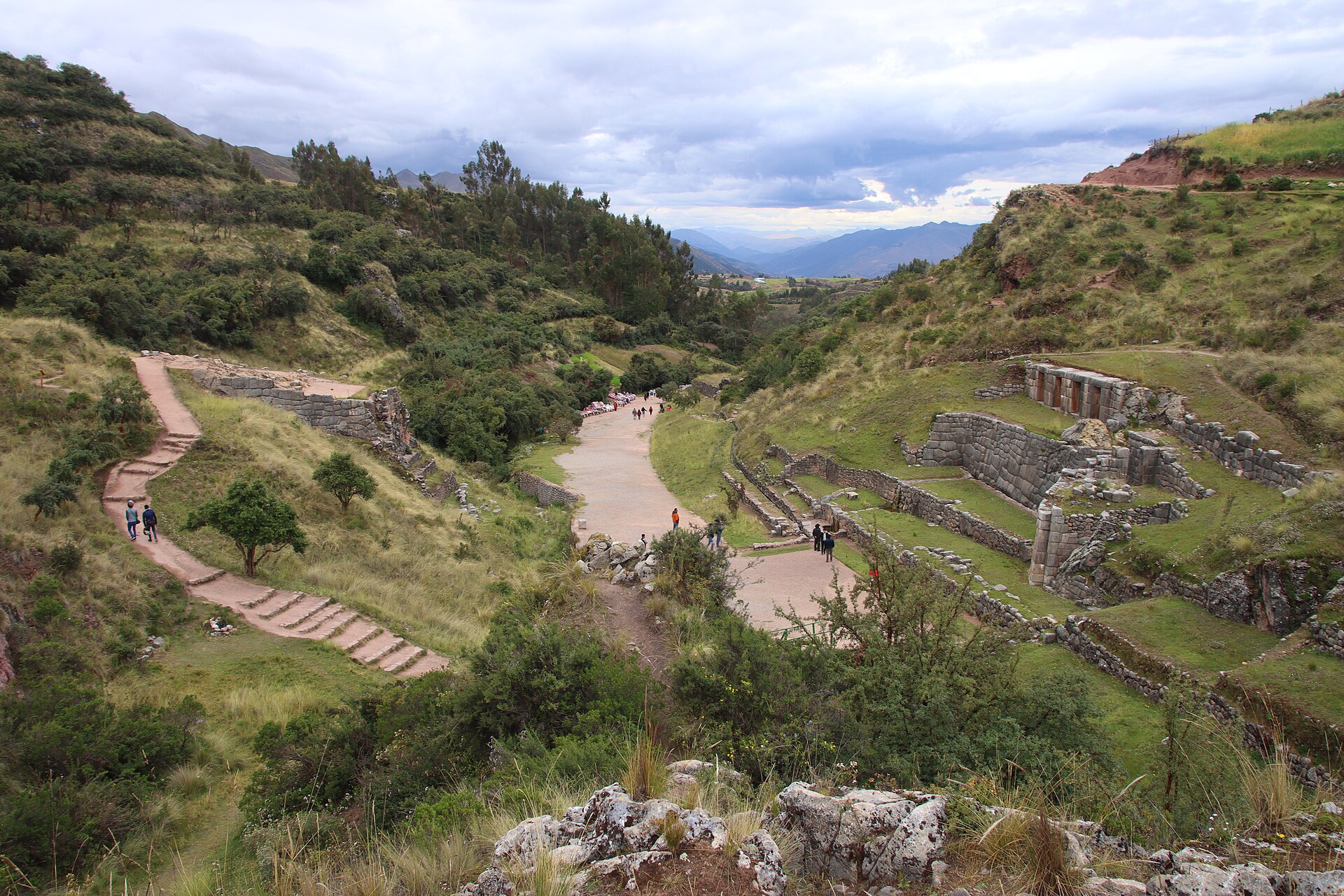
Tambomachay sits in the hills outside Cusco, where the past lingers like mist over the mountains. Built by the Inca as part of their sacred landscape, it was a place where water was revered as divine. The site rests at nearly 3,700 meters above sea level. The thin air sharpens the sound of flowing streams, and the stones seem to hum with centuries of history. Unlike grand fortresses or towering temples, Tambomachay feels intimate, as if meant to be discovered slowly.
The architecture here blends with the land. Terraces step down the hillside, their stones fitted together without mortar. Channels carved into the rock guide water from higher springs, feeding fountains and pools that still function. The Inca built for purpose. Every slope and curve controlled the flow of water, ensuring it moved efficiently, even during heavy rains. Engineering and spirituality intertwine here, where the practical becomes sacred.
Visitors call Tambomachay the "Baths of the Inca," though the name is misleading. It wasn’t for washing but for ritual. The Inca believed water could cleanse, heal, and connect them with the gods. The main platform, enclosed by thick walls of shaped stone, was likely where ceremonies took place. Smaller niches may have held offerings—food, textiles, or gold—for the unseen forces of nature. Water trickling over stone would have filled the air, a reminder of the life force sustaining their empire.
Tambomachay has changed little. The Spanish conquest destroyed much of the Inca world, but this site endured. Locals continued to draw water from its springs, believing it purer than colonial pipes. Some claimed it had healing properties, a belief that persists today. People never abandoned it entirely, which may explain why so much of the original structure survives.
Today, Tambomachay is often overlooked. Tour groups stop briefly, take photos, and move on to Machu Picchu or Sacsayhuamán. But those who linger notice something different—a stillness that isn’t just quiet. The wind carries the scent of damp earth and wild herbs. The water murmurs in a language just beyond understanding. The mountains rise in the distance, their peaks catching the light. For a moment, it’s easy to imagine what this place meant to its builders.
On solstices and equinoxes, when the sun aligns with the stones, the site draws a different kind of visitor. Some come out of curiosity, others out of faith, carrying bottles to fill with water they believe holds power. The Inca saw the world as a web of connections—between earth and sky, water and stone, the living and the divine. Standing here, you understand why they chose this spot.
Tambomachay lacks grandeur but offers authenticity. No souvenir stalls, no crowds, no shouting guides. Just water, stone, and the vast Andean landscape. It demands attention because it’s real. The Inca didn’t build monuments to impress—they built them to serve a purpose. Tambomachay still does. The water flows, the stones stand, and the past feels closer.