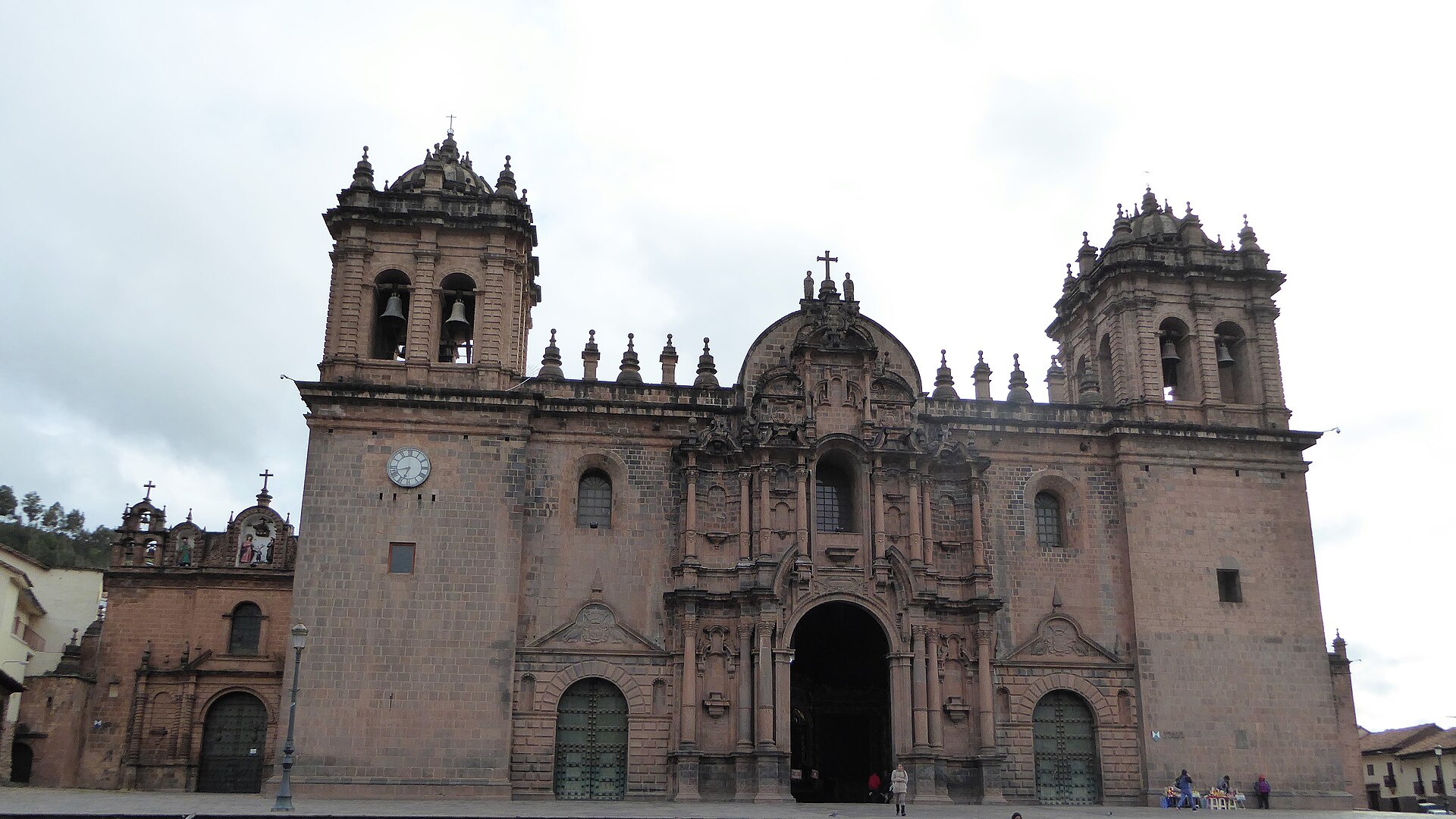
Plaza de Armas in Cusco is the kind of place where history isn’t just remembered—it’s still alive, layered into the stones beneath your feet. Long before the Spanish arrived, this was the heart of the Inca Empire, a vast ceremonial square called Huacaypata, where roads from the four corners of Tahuantinsuyo converged. The Incas held their most important rituals here, their voices echoing across the open space, now replaced by the murmur of tourists and the occasional clatter of hooves from a passing horse-drawn carriage. The original Inca foundations still peek through in places, stubborn remnants of a civilization that once ruled the Andes.
When the Spanish took Cusco in the 16th century, they didn’t just build over the past—they tried to erase it, or at least bury it under their own vision of grandeur. The result is a plaza framed by two towering churches, each a masterpiece of colonial architecture, each vying for dominance in a silent rivalry that once reached all the way to the Vatican. The Cusco Cathedral, constructed over nearly a century on the site of the Inca ruler Viracocha’s palace, is a fortress of faith, its massive stone walls and intricate altars a testament to the Spanish determination to leave their mark. Opposite it stands the Church of the Society of Jesus, built by the Jesuits on the ruins of Huayna Capac’s palace. The two churches are so close, and their facades so elaborately carved, that for centuries, locals and visitors alike have debated which is more impressive. The argument was so heated that the Pope himself was called upon to settle it—though history doesn’t record who won.
Step inside the cathedral, and you’ll find more than just gold-leafed altars and vaulted ceilings. The art here tells a story of its own, blending European religious themes with Andean reality. One of the most famous pieces is a local interpretation of *The Last Supper*, where Jesus and his disciples gather around a table laden with the kind of feast you’d find in the highlands: roasted cuy, or guinea pig, a traditional Andean delicacy. It’s a small but striking detail, a reminder that this was never just a colonial city—it was, and still is, a place where two worlds collided and, in some ways, merged.
The plaza itself is a stage, framed by arched walkways lined with cafes and restaurants. Their balconies offer the best views of the square, especially in the evening when the floodlights bathe the churches in a warm glow. By day, the plaza is a hub of activity—tourists snapping photos, schoolchildren in uniform marching in neat rows, street vendors selling everything from alpaca wool scarves to fresh fruit. On weekends, the air fills with the sound of brass bands as local schools hold their parades, a tradition that feels both timeless and distinctly Peruvian.
If you walk along the edge of the plaza, you’ll find Calle Atun Rumiyoc, a narrow street that leads to one of Cusco’s most famous Inca relics: the Twelve-Angled Stone. Embedded in a wall of perfectly fitted stones, this single block is a marvel of Inca engineering, its twelve edges fitting seamlessly into its neighbors. It’s a small but powerful reminder of the skill and precision of the builders who shaped this city long before the Spanish arrived.
June brings the most dramatic spectacle to the plaza: Inti Raymi, the Festival of the Sun. Once the most important ceremony in the Inca Empire, it was banned by the Spanish before being revived in the 20th century as a celebration of Andean culture. Today, the plaza becomes a sea of color as performers in elaborate costumes reenact ancient rituals, their chants and dances drawing crowds from around the world. For a few days, the past feels almost tangible, as if the spirits of the Incas have returned to reclaim their city, if only for a moment.
Cusco sits at 3,400 meters above sea level, and the thin air makes even a simple stroll around the plaza feel like a workout. Locals know the remedy: coca tea, served for free in most cafes. The bitter brew is a lifeline for visitors struggling with altitude sickness, a small but essential part of the experience of being here. The plaza’s elevation also means that the light changes quickly, the sun casting long shadows in the morning and bathing everything in a golden hue by late afternoon. It’s worth lingering just to watch the way the light plays across the stone facades, softening the edges of history.
A short walk from the plaza stands the Coricancha, the Temple of the Sun, once the most sacred site in the Inca Empire. The Spanish built the Convent of Santo Domingo on top of it, but the Inca stonework remains, its precision so exact that not even the earthquakes that have leveled the colonial structures above could shake it. The contrast between the two is striking—the rough, cyclopean stones of the Inca walls supporting the ornate arches and domes of the Spanish church. It’s a physical manifestation of the city’s layered history, a place where the past isn’t just preserved but actively present.
Plaza de Armas isn’t just a square; it’s the living room of Cusco, a place where the city’s past and present intersect. Whether you’re sipping coca tea in a cafe, watching a parade of schoolchildren, or simply sitting on a bench as the evening lights come on, you’re part of a story that’s been unfolding here for centuries. The plaza doesn’t just tell history—it lets you feel it.