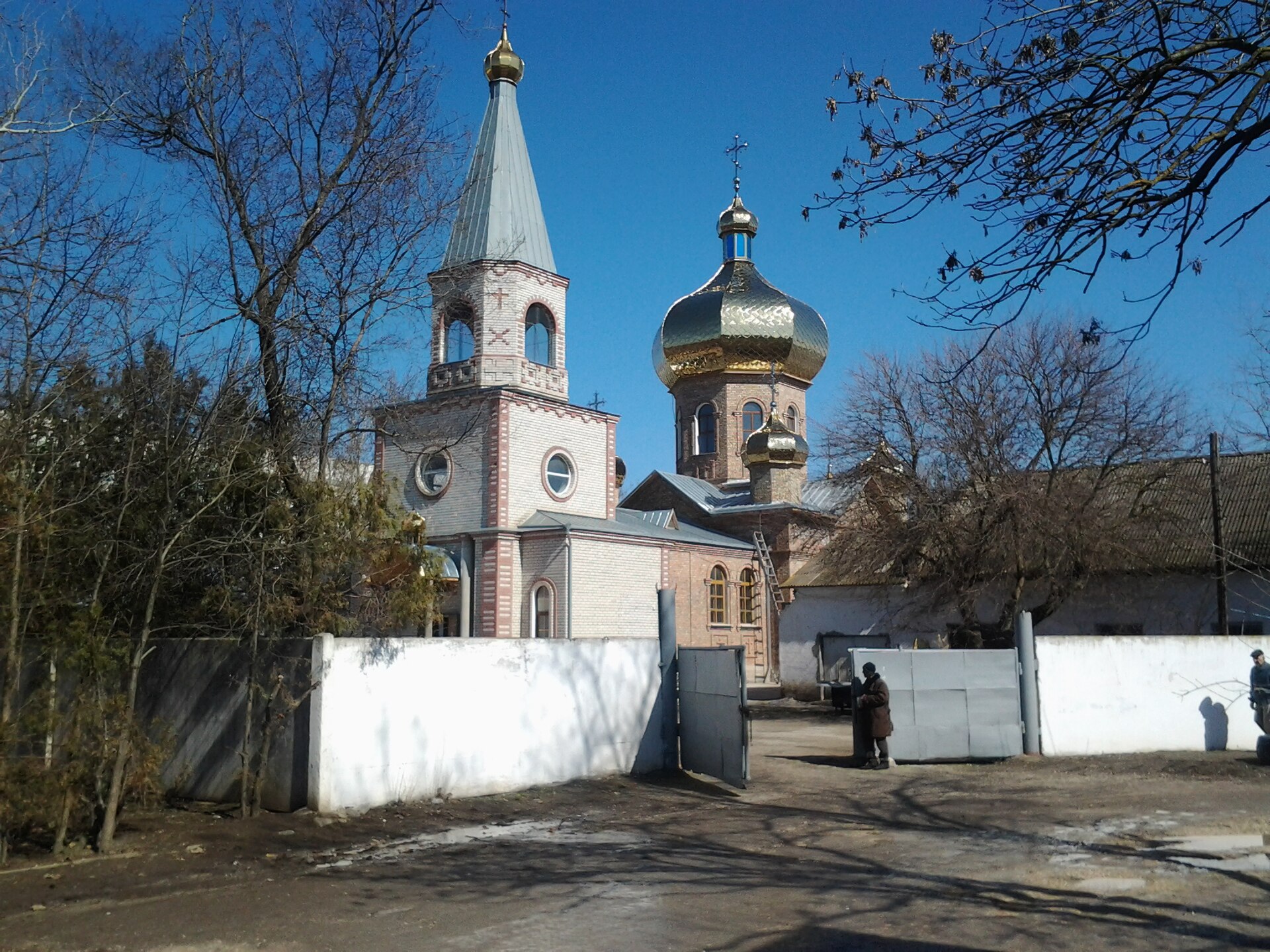
The Church of the Ascension in Krasnoperekopsk is one of those quiet places that doesn’t demand attention but lingers in the memory long after you’ve left. Tucked away on a quiet street in the heart of the city, it stands apart from the hurried pace of modern life, its white walls and golden domes catching the sunlight in a way that makes the whole neighborhood seem brighter. There’s no grand procession of tourists here, no bustling crowds—just a sense of stillness that settles over you the moment you step inside the low fence.
Krasnoperekopsk itself is a city shaped by industry, founded in the mid-20th century as a hub for chemical production. For decades, it lacked a single Orthodox church, and residents had to travel to nearby towns for services. That changed in the 1990s, when the collapse of the Soviet Union brought a revival of religious life across Russia. Like many other cities, Krasnoperekopsk saw its first prayer gatherings in private homes before the idea of building a proper church took root. The Church of the Ascension was laid in the late 1990s, funded not by wealthy patrons but by the community itself—local families, businesses, and anyone who could contribute, no matter how small the sum.
The architecture is classic for southern Russian Orthodox churches: a cross-domed structure with one central dome and four smaller ones, symbolizing Christ and the four Evangelists. The exterior is simple, with modest stucco details that don’t compete with the graceful lines of the building. Inside, the walls are adorned with frescoes, though not with the elaborate grandeur of ancient cathedrals. Instead, the paintings are understated, almost intimate, reflecting the hands of local artists rather than master craftsmen. The iconostasis is wooden, carved and gilded but without excessive ornamentation. The icons, too, are modern, painted by local hands, and while they lack the patina of centuries, they carry a warmth that feels deeply personal.
The heart of the church is the icon of the Ascension, its namesake, placed at the center of the iconostasis. It’s here that parishioners often pause, lighting candles or whispering prayers. The space inside is airy and filled with light, the high ceilings giving it a sense of openness. On Sundays and feast days, the church comes alive with the sound of hymns, the scent of incense, and the flicker of candlelight. Easter and Christmas draw the largest crowds, but even on ordinary weekdays, the church offers a quiet refuge—a place to sit, reflect, or simply escape the noise of the city.
Beyond services, the church serves as a spiritual anchor for the community. It hosts baptisms, weddings, and funerals, marking the milestones of life for generations of locals. A Sunday school operates here as well, where children learn the basics of Orthodox tradition, church singing, and history. The church isn’t just a building; it’s a living part of the city’s fabric, adapting to the needs of its people. During economic hardships or times of change, it has remained a constant, offering solace to those who seek it.
Krasnoperekopsk isn’t a tourist destination, and the Church of the Ascension isn’t a place you’ll find in guidebooks. That’s part of its charm. There are no souvenir stalls, no guided tours, no crowds jostling for the best photo. It’s a place for those who value authenticity over spectacle, who come not to check off a landmark but to experience something real. The church welcomes everyone, whether you’re a believer, a seeker, or simply someone in need of a quiet moment.
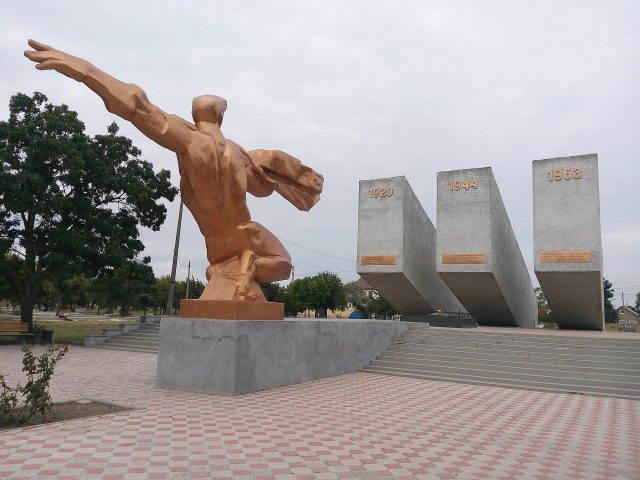
Outside, a small garden surrounds the church, blooming with roses in the summer and dusted with snow in the winter. Nearby stands a memorial to soldiers who died in the Great Patriotic War, a reminder of the city’s history and the resilience of its people. The juxtaposition of the church and the monument feels natural—both are places of remembrance, of connection, of shared humanity.
The Church of the Ascension has weathered decades of change, from the upheavals of the 1990s to the shifting tides of modern life. Yet it endures, not as a relic of the past but as a living testament to the faith of those who built it and those who continue to gather within its walls. There’s no pretension here, no attempt to impress. What you find instead is something far more valuable: a sense of belonging, a quiet strength, and the knowledge that some places, no matter how unassuming, hold a light that never goes out.