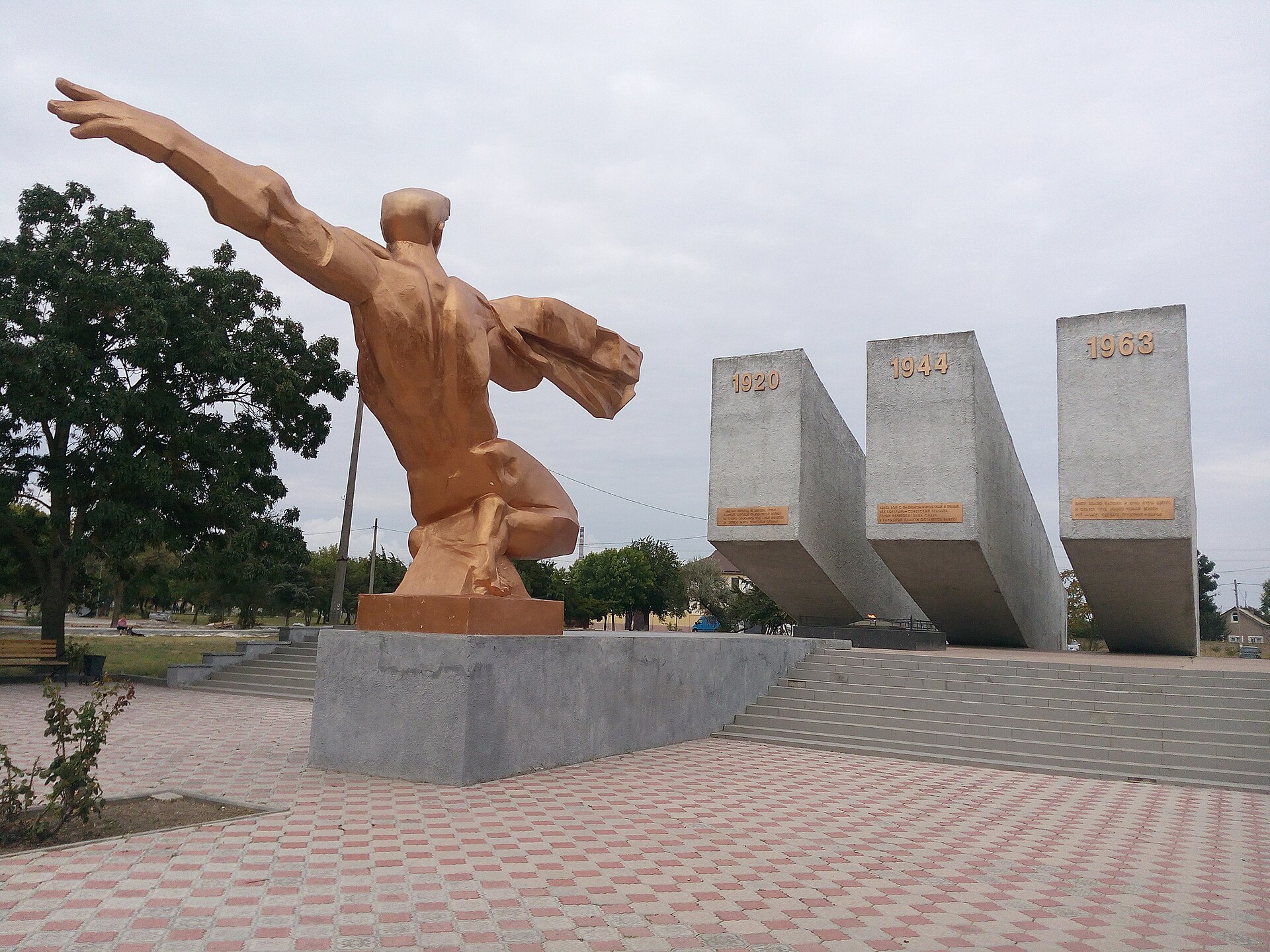
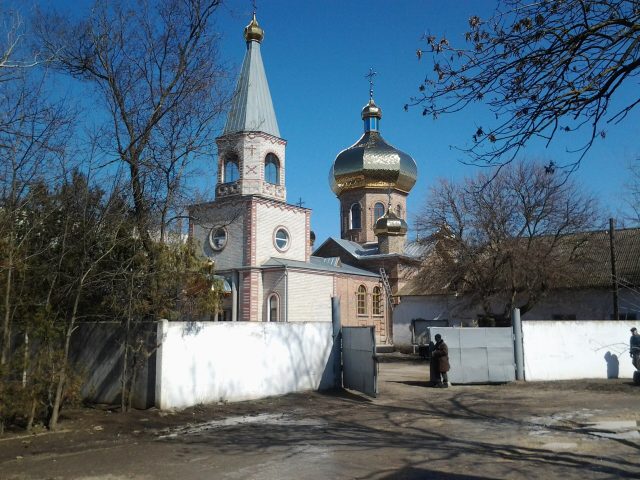
Krasnoperekopsk Local History Museum sits in a small Crimean city where the past is still part of the air. The museum stands on Mendeleev Street in a Soviet-era building with high ceilings and sturdy walls. Inside, it holds more than exhibits—it holds memories of lives that might otherwise disappear.
The city’s story is tied to salt. For generations, Krasnoperekopsk’s economy depended on it. The museum shows this history through tools worn smooth by labor, photographs of workers beside salt piles, and ledgers documenting their hardships. The exhibits follow salt extraction from early methods to industrial production, showing how the mineral shaped the city’s economy, culture, and daily life. The displays still carry the faint scent of salt, a reminder of what once sustained this place.
But salt is only part of the story. The museum’s collections reach back to early settlements and forward through the 20th-century industrial boom. Old maps show streets that no longer exist, while household items—chipped teacups, hand-sewn clothing—offer glimpses into ordinary lives. One section focuses on World War II, when the city endured occupation. Letters from soldiers, tattered uniforms, and documents bear witness to the war’s impact. These aren’t just artifacts; they’re traces of survival.
The building itself is simple. Built during the Soviet period, it was meant to be functional, not grand. Wide windows let in soft light, thick walls keep out heat and cold, and the layout invites slow exploration. There’s no rush here. You can spend time with a handwritten diary or study a photograph of a street that’s now gone.
The museum also covers the region’s nature. Northern Crimea has salt lakes, steppe, and sparse forests. Exhibits include taxidermied foxes, herons, and hares, as well as pressed plants from the area. Displays explain how people have interacted with the land over centuries, from early hunting to modern ecological challenges. Local minerals, some with unexpected colors, show the geological forces that shaped the region. The land is part of the city’s history, too.
The museum’s strength isn’t just its collections. It connects the past to the present through temporary exhibitions by local artists and events where different generations share stories. Older residents talk about the city’s early days, while younger visitors ask questions. The museum isn’t just a place for artifacts—it’s where history is discussed and understood in new ways. Here, history isn’t just dates and headlines; it’s a sense of how the past still matters.
Krasnoperekopsk isn’t in most guidebooks. It doesn’t have dramatic landscapes or ancient ruins. But that’s part of its appeal. The museum reflects this quiet character, showing the accumulation of everyday life. A child’s school notebook, a factory worker’s lunchbox, a family photograph—these small things make up history. The museum makes the ordinary feel significant, revealing how even the smallest details tell us who we are.
A visit here isn’t about checking off an attraction. It’s about slowing down, where time is measured in stories, not minutes. You might come for the salt, stay for the war memorabilia, and leave thinking about how a city’s past is woven into its streets and people. Krasnoperekopsk’s history isn’t dramatic, but it’s real—and that’s why it’s worth exploring. In a fast-moving world, the museum offers a chance to pause, look closely, and listen.