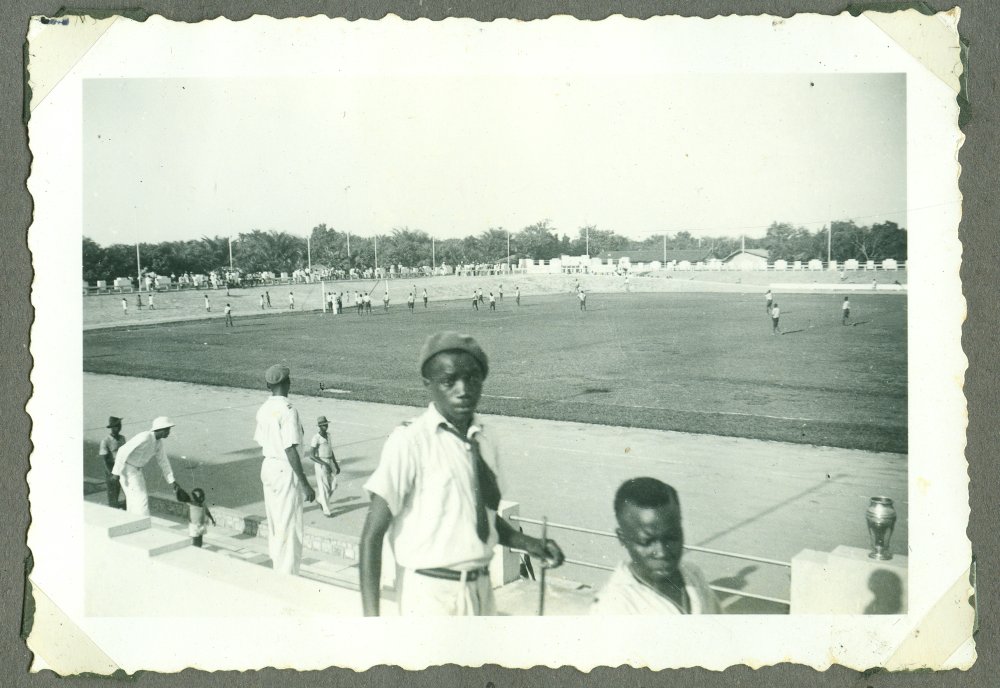
Stade des Martyrs, or the Martyrs' Stadium, stands as one of Kinshasa’s most recognizable landmarks, not just for its size but for the role it has played in the city’s modern history. Built in the late 1980s, it was originally named Stade Kamanyola after a military victory, but its name was later changed to honor those who lost their lives in the struggle for Congolese independence and democracy. The stadium’s imposing structure dominates the skyline of the Limete district, a reminder of both the country’s turbulent past and its aspirations for the future.
The architecture of the stadium reflects the ambitions of its time. Designed with a capacity to hold over 80,000 spectators, it was one of the largest stadiums in Africa when it opened. The sweeping concrete curves and towering floodlights give it a sense of grandeur, though the passage of time has left its mark in places. The open-air design allows for natural ventilation, a practical choice in Kinshasa’s humid climate, though it also means the elements can take their toll on the structure. Inside, the stands rise steeply, creating an intimate yet overwhelming atmosphere when filled with crowds.
Stade des Martyrs has been a stage for more than just sports. It has hosted some of the most significant political and cultural events in the country’s recent history. During the Mobutu era, it was a venue for state ceremonies and rallies, where the regime’s power was displayed in carefully choreographed spectacles. Later, it became a symbol of change, particularly after the fall of Mobutu in 1997, when it was renamed to commemorate those who had fought for democracy. The stadium’s name itself carries weight, evoking the memory of a nation’s struggles and the hope for a different future.
For many Congolese, the stadium is most closely associated with football. It has been the home ground for the national team, the Leopards, and has seen countless matches that have united the country in celebration or heartbreak. The energy of a packed stadium during a derby or an international qualifier is something few who experience it forget. The roar of the crowd, the chants, and the sheer passion of the fans create an atmosphere that transcends the game itself. Even on quieter days, when the stands are empty, the echoes of past matches seem to linger in the air.
Beyond football, the stadium has also been a gathering place for concerts and large-scale events. Some of the biggest names in African music have performed here, drawing crowds that spill beyond the stands and into the surrounding streets. The acoustics are far from perfect, but the sheer scale of the venue makes it a unique setting for performances. For many Kinshasa residents, attending an event at Stade des Martyrs is a rite of passage, a chance to be part of something larger than themselves.
The area around the stadium is as much a part of its story as the structure itself. Limete is a bustling district, where the energy of the city is palpable. On match days, the streets leading to the stadium fill with vendors selling food, drinks, and team merchandise. The atmosphere is festive, though the crowds can also bring challenges, from traffic jams to the occasional tension between rival fans. For visitors, navigating the area offers a glimpse into the daily life of Kinshasa, where the stadium serves as both a landmark and a hub of activity.
Despite its significance, Stade des Martyrs has faced its share of challenges. Maintenance has been inconsistent over the years, and parts of the stadium show signs of wear. Yet, it remains a vital part of Kinshasa’s identity, a place where history, culture, and community intersect. For those who visit, it’s not just a stadium but a living monument to the resilience and spirit of the Congolese people. Whether it’s the roar of a football crowd, the beat of a concert, or the quiet moments in between, the stadium continues to hold a special place in the heart of the city.