Perched on Mutundwe Hill on the outskirts of Kampala, the Ssemagulu Royal Museum sits in a quiet area away from the city’s noise. The building, once a residence for Buganda’s nobility, has clay walls, wooden beams, and open courtyards—features common in traditional homes here. There are no grand halls or flashy displays, just artifacts arranged with care.
The museum was founded in the late 20th century by local historians and descendants of the Buganda royal family to preserve the legacy of the kabaka. Its name comes from Ssemagulu, a chief who shaped Buganda’s history. The collection includes drums used to send messages between villages, barkcloth garments worn by royalty, and carved weapons and jewelry. These objects show how the kingdom functioned before colonial rule.
Photographs and documents from the final decades of Buganda’s independence are among the most striking exhibits. Images of Kabaka Mutesa II, who ruled in the mid-20th century, appear alongside letters and ceremonial robes. These materials reveal how the kingdom responded to British colonial pressures and how court life changed over time.
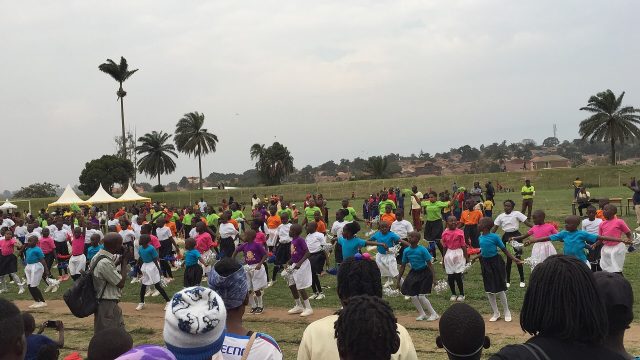
The museum stays active in the community. Small exhibitions on Ugandan art and culture rotate through its spaces. Sometimes, local artisans hold workshops on traditional crafts. On certain days, you might hear drums or see royal dances performed by descendants of the kingdom’s musicians.
Visiting Ssemagulu isn’t like visiting a typical museum. There are no rigid tours or scripted guides. Instead, someone who knows the stories behind the artifacts shares them in conversation. The setting feels personal, almost like a family gathering, which makes it a good place to learn about Uganda beyond its landscapes.
The museum’s strength lies in its authenticity. The objects on display have been passed down through generations, and the people who care for them treat their work seriously. For travelers looking for something different, Ssemagulu offers a chance to engage with Uganda’s history in a direct way.
History isn’t just in textbooks or monuments. It’s here, in the hands of those who preserve it, and in the stories they tell. For anyone curious about Ugandan culture, Ssemagulu feels like a place where the past is still present.