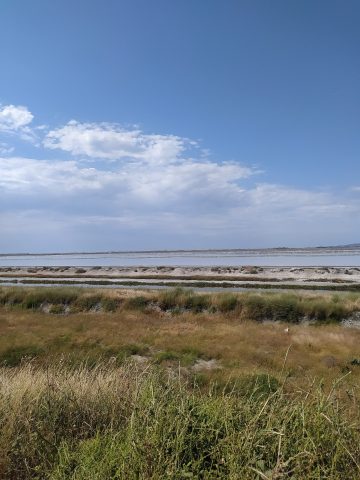
The salt mines of Selenicë are one of those places where time seems to move differently. Tucked away in southern Albania, this small town has long been defined by the mineral wealth beneath its hills, a resource that shaped its identity long before modern borders were drawn. The mines are not just an industrial relic; they are a living archive of the region’s past, stretching back to antiquity when these lands were a crossroads for merchants and travelers. Salt was more than a commodity here—it was survival, trade, and tradition, woven into the daily lives of generations.
What makes Selenicë’s mines unusual is their unpolished authenticity. Unlike many heritage sites that have been sanitized for tourists, these tunnels retain the raw character of their purpose. The narrow passages, carved deep into the salt deposits, still bear the marks of pickaxes and the weight of human labor. Some sections have been repurposed to show how miners once worked, with simple displays that feel more like a glimpse into history than a curated exhibit. There are no flashy reconstructions or interactive screens—just the quiet persistence of the earth and the people who extracted its riches.
The architecture of the mines is humble but striking in its own way. Wooden beams, darkened by decades of use, support the ceilings, while the walls glisten with layers of salt that catch the light like scattered stars. In places, the mineral forms delicate crystals, a reminder that nature, not human hands, dictated the shape of these spaces. The air is cool and thick with the scent of salt, a sensation that lingers long after you’ve left the tunnels. It’s not the kind of place you visit for grandeur; it’s where you come to understand the rhythm of work that sustained a community.
Selenicë itself is a quiet town, far removed from the bustle of Albania’s more famous coastal destinations. It sits near the Ionian Sea, surrounded by low hills covered in Mediterranean scrub. The climate is gentle—hot summers tempered by sea breezes, mild winters without the bite of frost. Life here moves at a slower pace, and the absence of crowds makes it feel like a place where time hasn’t been rushed. The streets are lined with modest houses, and the local cafés serve fresh seafood and wine that tastes of the land. There’s no pretension, just the easy hospitality of a town that hasn’t yet been changed by tourism.
A visit to the salt mines is as much about the town as it is about the tunnels. After descending into the earth, you can wander through Selenicë’s streets, where the past and present coexist without fanfare. The mines are still active, though not as intensively as they once were. Some visitors might even get the chance to see modern miners at work or try their hand at harvesting salt—a rare opportunity to connect with a craft that has defined this place for centuries. It’s not a staged experience; it’s a quiet invitation to step into a way of life that has endured.
For those who seek out Albania’s lesser-known corners, Selenicë offers something increasingly rare: a sense of unfiltered reality. There are no grand monuments or polished attractions here, just the quiet dignity of a place shaped by labor and time. The mines, the old houses, the empty streets—all of it feels like a snapshot of a world that has remained largely unchanged. It’s the kind of destination that rewards curiosity over itineraries, where the most memorable moments often come from simply observing how people live.
The salt mines are also a reminder of how deeply connected this region has always been to the land. For centuries, the people of Selenicë have drawn their livelihood from the earth, and that relationship is still visible in the way the town functions. The mines are no longer the economic lifeblood they once were, but they haven’t been abandoned to nostalgia either. They exist in a kind of in-between state—part working site, part historical record—where the past isn’t just remembered but still in use.
If you find yourself in this part of Albania, it’s worth taking the time to stop. Selenicë doesn’t demand attention; it earns it quietly. There are no crowds, no grand spectacles, just the quiet hum of a place that has always been more about substance than show. It’s the kind of destination that stays with you long after you’ve left, not because of what you saw, but because of how it made you feel. And perhaps that’s the real draw of Albania—those moments when you stumble upon a place that feels untouched by time, where the weight of history isn’t just preserved but still alive.