Santa María Cathedral in Vigo is one of those places where the city’s past and present quietly intertwine. Perched on a gentle hill in the heart of the old town, it overlooks the harbor and the vast Atlantic beyond, as if keeping watch over the ebb and flow of life below. Unlike some of Spain’s grander cathedrals, this one doesn’t impose itself on the city—it belongs to it, seamlessly woven into the fabric of Vigo’s streets and daily rhythms. Its architecture tells a story of centuries, where medieval foundations meet Baroque flourishes, and where each era left its mark without erasing what came before.
The first records of a church on this site date back to the 12th century, when Vigo was little more than a fishing village clinging to the coast. Back then, the building was modest, built in the Romanesque style, but it already served a dual purpose: a place of worship and a fortress. The town’s location made it vulnerable to pirate raids and naval attacks, and the church often stood as one of the few defenses. Over time, it evolved—Gothic elements were added in the 16th century, and by the 18th, it had taken on the Baroque appearance we see today. Walking through its doors feels like stepping through layers of history, each one visible in the stone and the craftsmanship.
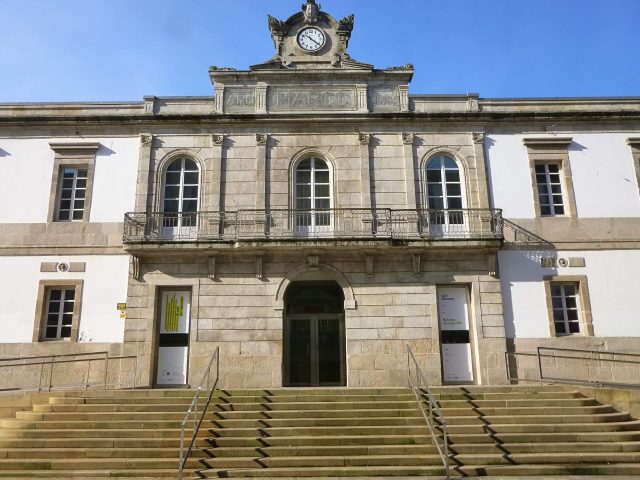
The cathedral’s facade is a study in contrasts. The main entrance, with its Baroque flourishes—columns, saints’ statues, and intricate carvings—stands out against the more restrained side walls. Inside, the space feels both grand and intimate. High vaulted ceilings, supported by sturdy columns, create a sense of openness, while the light filtering through the windows softens the stone’s austerity. The wooden main altarpiece, gilded and elaborately carved, is considered one of the finest examples of Baroque art in Galicia. Smaller chapels line the sides, each dedicated to a different saint and adorned with frescoes or sculptures that add to the cathedral’s quiet richness.
Beyond its religious significance, the cathedral is a cultural hub for Vigo. Organ concerts fill the space with music, and the facade occasionally becomes a canvas for light installations, blending contemporary art with centuries-old architecture. During festivals, especially Christmas and Holy Week, the cathedral draws crowds of locals and visitors alike. The Good Friday procession is particularly striking, with statues depicting the Stations of the Cross carried through the old town’s narrow streets. These traditions run deep, passed down through generations, and for many in Vigo, the cathedral is more than just a building—it’s a living part of their heritage.
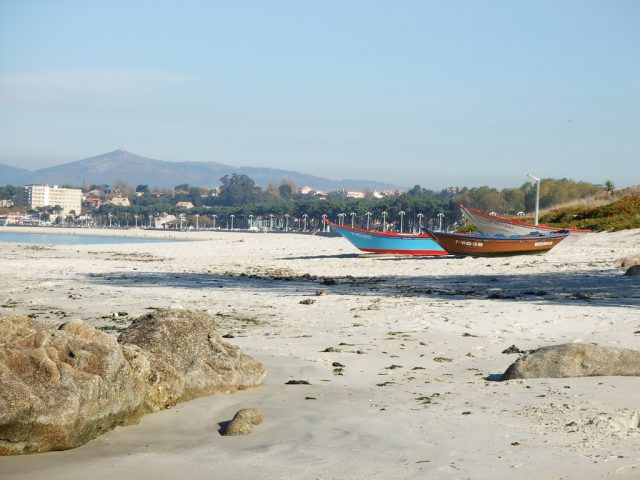
The area around the cathedral, known as Casco Vello, is a maze of cobblestone streets where the past lingers in every corner. Small taverns serve fresh seafood, and from the old city walls, you can look out over the bay, where fishing boats bob in the water. The cathedral anchors this neighborhood, drawing people in whether they’re there for prayer, a quiet moment, or simply to wander. Nearby, the market square buzzes with activity—fishmongers selling the day’s catch in the morning, musicians and artists gathering in the evening. It’s a place where the city’s energy is palpable, and the cathedral stands as a steady presence amid it all.
Despite its age, Santa María doesn’t feel like a relic. It’s a place that breathes, adapting to the city’s changes while holding onto its history. Inside, you might find parishioners in prayer, tourists admiring the details, or the occasional wedding, where the sound of the organ mingles with laughter. On weekdays, the doors are open to anyone seeking a moment of quiet, a chance to sit and watch the light play across the stained glass. Time moves differently here, unhurried, much like the tides in the harbor just beyond.
For those curious about Vigo’s past, the cathedral offers more than just architectural beauty. Its walls hold fragments of history—ancient religious texts, relics, and even remnants of medieval structures uncovered during restorations. Sometimes, guided tours delve into these stories, explaining how the city and its cathedral have evolved together. But even without a guide, the sense of history is tangible. A walk through the old town, with the cathedral as its centerpiece, feels like a conversation with the past, one that doesn’t require words to be understood.
Vigo’s identity is tied to the sea, and the cathedral reflects that connection. It sits on its hill like a ship’s captain surveying the horizon, watching over the comings and goings of vessels in the harbor. In centuries past, sailors would pray here before setting out on long voyages, seeking the protection of the Virgin Mary, Vigo’s patron saint. That tradition hasn’t faded—many fishermen and sailors still visit the cathedral to light a candle before heading out to sea. Perhaps that’s why the place feels so alive; it’s bound to the lives of those who depend on the ocean, their hopes and fears woven into its stones.
Visiting Santa María Cathedral isn’t just about seeing a landmark—it’s about experiencing Vigo’s rhythm. In the early morning, sunlight spills through the stained glass, casting soft hues across the stone. By midday, the thick walls offer respite from the heat, and in the evening, the cathedral glows under the streetlights, a quiet sentinel over the city. It’s a place where history and modernity coexist without fanfare, where every visit reveals something new in its understated beauty. You leave with the sense that you’ve touched a piece of the city’s soul—and that it’s a place worth returning to.